Chiller Maintenance Checklist for Facility Managers

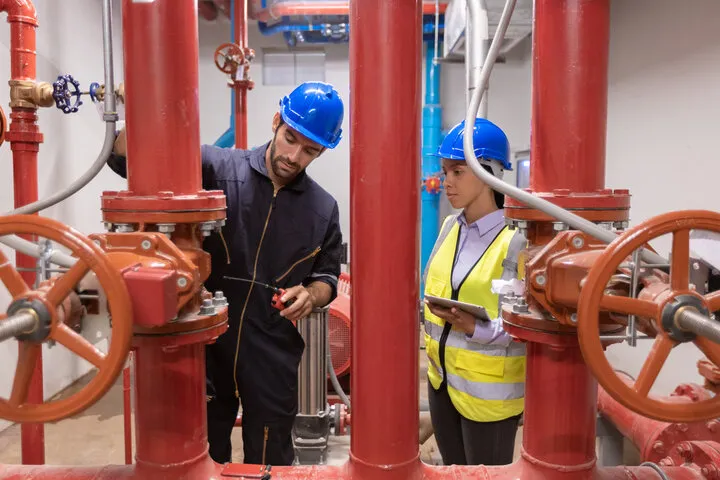

Facility managers have many responsibilities, from maintaining building equipment to arranging repairs and managing operating expenses. Chillers deserve special attention because cooling problems can affect several areas of a property at the same time.
A simple maintenance checklist helps facility managers keep track of inspections and identify concerns before they become more serious. Searching for chiller maintenance near me can also help them find professional support when the equipment requires a detailed inspection or repair.
Start With a Visual Inspection
A visual inspection is a useful first step in monitoring chiller condition. It helps identify obvious problems that may require further investigation.
Facility staff should look for visible water leaks, oil stains, damaged insulation, unusual corrosion, and debris around the equipment. They should also pay attention to changes in noise or vibration.
Any unusual condition should be recorded and reported to the responsible maintenance team.
Staff should not remove electrical covers, open refrigerant circuits, or attempt repairs unless they are qualified and authorised to do so.
Review Operating Readings
Monitoring operating readings helps facility managers understand whether the chiller is performing as expected.
Depending on the equipment and available controls, useful readings may include:
- Chilled water supply and return temperatures.
- Relevant refrigerant pressures and temperatures.
- Compressor operating hours.
- Electrical consumption.
- Water flow indicators.
- System alarms and fault codes.
These readings should be compared with the manufacturer's recommended operating conditions and previous records.
A single unusual reading does not always mean that the chiller has a fault. However, repeated changes or unexplained trends should be investigated by a qualified technician.
Check the Condenser and Evaporator
The condenser and evaporator are important heat-transfer components. Dirt, scale, and other deposits can affect their performance.
The maintenance checklist should include inspections of the relevant coils or tubes. Cleaning should be arranged when necessary, using a method suitable for the equipment.
Air-cooled chillers also require adequate airflow around their condenser coils. Water-cooled systems need suitable water circulation and appropriate water treatment.
The maintenance team should follow the equipment manufacturer's instructions when deciding on cleaning methods and service intervals.
Inspect Pumps, Strainers, and Pipework
A chiller cannot operate properly without suitable water circulation. Problems with pumps, blocked strainers, closed valves, or damaged pipework can affect system performance.
Facility managers should arrange periodic checks of the supporting water system. Technicians can inspect pump operation, identify restrictions, examine seals, and check for signs of leakage.
Pipe insulation should also be inspected. Damaged insulation may contribute to unwanted heat gain or condensation, depending on the system and surrounding conditions.
These checks help ensure that the chiller and its supporting equipment work together as intended.
Review Electrical Components and Safety Controls
Electrical faults can cause shutdowns and may create safety risks. The maintenance checklist should therefore include suitable inspections of electrical connections, control panels, contactors, and related components.
Technicians should also test relevant protective devices according to the manufacturer's recommendations.
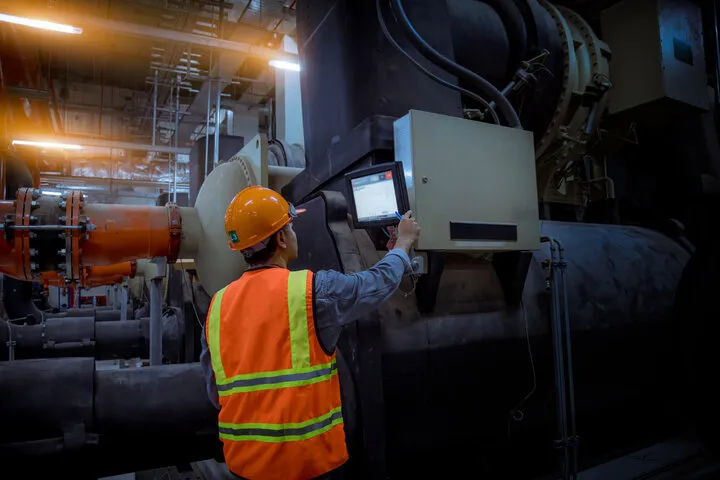
If the chiller displays repeated alarms, facility managers should record the fault codes and operating conditions. This information can help technicians identify the cause more quickly.
Protective devices should never be bypassed simply to keep the equipment running.
Maintain Proper Service Records
Good records make maintenance easier to manage. Facility managers should keep reports from inspections, repairs, component replacements, and scheduled servicing.
These records can reveal recurring problems and help identify components that may require closer attention.
A useful service report should explain what was inspected, what problems were found, what work was completed, and whether any follow-up action is required.
It should also identify outstanding concerns so they are not overlooked during the next service visit.
Arrange Professional Maintenance
A checklist is useful, but it does not replace a professional inspection. Some problems require diagnostic tools, technical testing, and knowledge of the specific chiller model.
When evaluating chiller maintenance near me providers, ask about their experience, inspection procedures, reporting standards, and recommended maintenance intervals.
Choose a company that explains its findings clearly and provides a maintenance plan suited to your equipment and operating conditions.
Conclusion
A well-organised checklist helps facility managers monitor chiller condition and keep maintenance tasks on schedule. Regular inspections, operating records, and timely professional servicing can reduce the risk of overlooked problems.
The most effective approach combines routine monitoring with maintenance carried out according to the equipment's requirements.
Arranging chiller maintenance near me can help facility managers find the technical support needed to keep cooling equipment operating reliably.
Frequently Asked Question
What should a basic chiller maintenance checklist include?
It should cover visual inspections, operating readings, heat-transfer surfaces, water flow, pumps, electrical components, safety controls, alarms, and service records. The full checklist should be adapted to the chiller type and manufacturer recommendations.



Sign in to leave a comment.