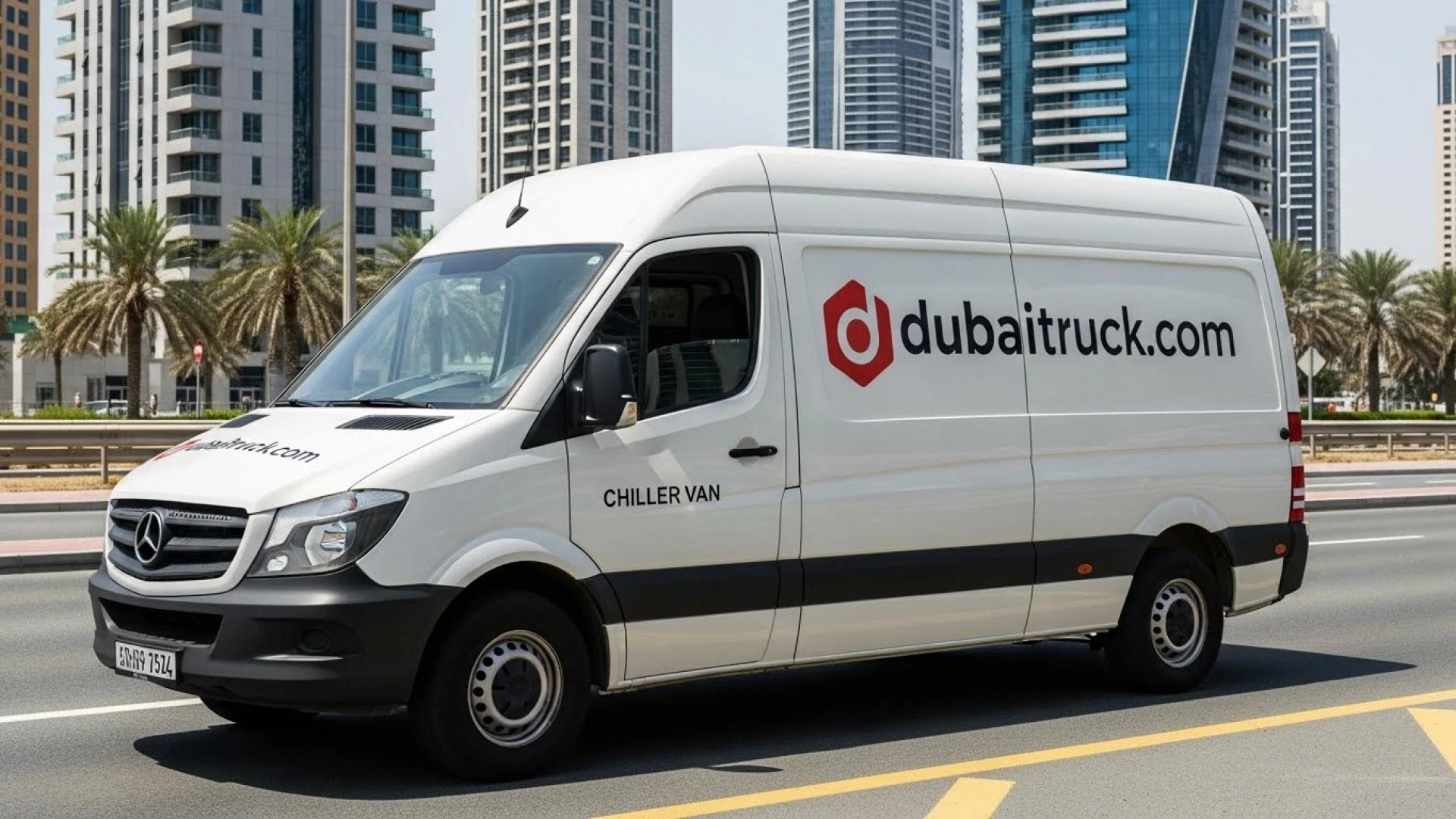

Benefits of Using Chiller Vans in Dubai
Leaving a grocery bag in the car for just ten minutes in August creates a sinking feeling; by the time you return, the chocolate is liquid, and the milk feels dangerously warm. If a short drive can ruin a snack, moving delicate wedding cakes or temperature-sensitive medicine across the city without melting or spoiling presents a massive challenge. For businesses, relying on the natural "ambient transport" of a standard vehicle, where the cargo area eventually heats up to match the scorching outside air, is not an option.
To combat the intense desert climate, professionals rely on cold chain logistics, creating an unbroken link of cooling from the warehouse to the customer's door. A high-quality chiller van in Dubai is not merely a truck with the air conditioning blasted; it is a heavy-duty, mobile version of a kitchen fridge designed specifically to withstand external temperatures of 50°C. Thick insulation traps the cold air inside, ensuring that the internal environment stays stable even while stuck in traffic on Sheikh Zayed Road.
Food safety experts emphasize that consistency is vital, as even minor temperature fluctuations can trigger bacterial growth in fresh produce or seafood. Refrigerated transport Dubai services provide the necessary infrastructure to keep goods at their required temperature, whether that is chilled for flowers or frozen for ice cream. Utilizing professional cooling protects the consumer's health and safeguards a business's reputation from the disaster of delivering spoiled goods.
Why a Standard Van Isn't Enough: The Science of High-Performance Insulation
Simply blasting cold air into a metal van cannot fight a Dubai summer; the cooling unit would burn out trying to compete with the sun. Here, insulation becomes the real hero. Professional refrigerated vans line the cargo area with high-density polyurethane foam, a specialized material that traps cool air inside and blocks the exterior heat. Like a heavy-duty thermos flask for groceries, the thick walls are just as important as the ice inside to maintain a stable environment.
Even the best insulation has a common enemy: "thermal bridging." This occurs when heat travels across a conductive path, usually metal screws or frames connecting the hot outer shell to the cool interior. To prevent this invisible leakage, quality conversions use seamless fiberglass skins and heavy-duty rubber seals around the doors. If you see condensation or water dripping near the door frame of a delivery vehicle, this seal has likely failed, allowing humid outside air to compromise the cargo.
Nearly every refrigerated vehicle on Sheikh Zayed Road is painted a glossy white. This isn't just a standard industry color; it serves as a critical UV-reflective coating. Darker colors absorb solar radiation, turning the vehicle’s metal skin into a frying pan, whereas white reflects that energy away. This passive layer of protection reduces the workload on the cooling engine by keeping the surface temperature significantly lower than the surrounding air.
Combining these three elements, foam insulation, airtight seals, and reflective paint, creates a secure vault that holds temperature regardless of the traffic or weather. Once you have a vehicle capable of holding the cold, the next challenge is determining exactly how low that temperature needs to go for your specific products.
Chiller vs. Freezer: Choosing the Right Temperature Zone for Your Goods
First-time renters often assume that any cold transport vehicle can handle any product, but temperature control is not a one-size-fits-all solution. There is a critical difference between chiller and freezer vans that determines the safety of your cargo. A "chilled" environment removes heat generated by ripening produce or ambient air, keeping items cool without freezing them. In contrast, a "frozen" environment uses aggressive cooling cycles to keep water content solid. Mixing these up is disastrous; placing fresh tulips in a freezer turns them brittle and black, while transporting ice cream in a standard chiller results in a melted loss before leaving the parking lot.
Knowing your specific temperature requirement is the first step to securing the best chiller van in Dubai for your needs. The logistics industry generally categorizes cargo into two distinct zones to ensure quality:
- Chiller Zone (0°C to +5°C): Ideal for fresh produce, dairy products, cakes, flowers, and pharmaceuticals that must not crystallize.
- Freezer Zone (-18°C to -25°C): Required for ice cream, frozen meats, seafood, and pre-packaged frozen meals to maintain solid form.
Selecting the wrong category risks spoilage and impacts your budget and equipment health. A freezer unit works much harder and consumes more fuel to maintain sub-zero temperatures compared to the standard refrigerated truck that Dubai businesses use for vegetables. By matching the van's capability to your specific goods, you avoid paying for unnecessary power while guaranteeing your product arrives in perfect condition. With the correct temperature zone identified, the next hurdle is ensuring your vehicle legally complies with local health regulations.
Meeting Dubai Municipality Food Safety Standards Without the Stress
Driving a van full of cupcakes isn't just about keeping them cold; it is about proving they are safe to eat. In Dubai, strict hygiene rules govern every kilometer your goods travel to protect public health. Before a single box is loaded, the vehicle must carry a valid Food Transport Permit. This document acts like a health passport for the van, certifying that it has passed rigorous inspections and meets Dubai Municipality food safety transport regulations. Without this permit, you risk heavy fines and having your vehicle impounded, stopping your delivery business in its tracks.
Beyond paperwork, the physical condition of the cargo area is scrutinized during these inspections. Refrigerated transport services in the UAE providers must ensure their vehicles feature specific interior finishes designed for hygiene. The walls and floors must be lined with non-toxic, smooth, and washable materials, usually fiberglass or stainless steel, rather than porous fabrics or rusting metal. The van’s interior must be completely sealed and easy to sanitize between trips to prevent cross-contamination or bacterial growth.
Reliability is the final piece of the compliance puzzle. Just because a dashboard display reads 4°C doesn't mean the air inside is actually that cold. To ensure accuracy, the cooling unit requires a Calibration Certificate, updated annually by an approved laboratory. This confirms that the sensors are accurate, preventing accidental spoilage due to equipment error. To stay road-legal and safe, keep this compliance checklist handy:
- Valid Food Transport Permit: Must be renewed annually and displayed on the vehicle.
- Hygiene-Grade Interior: Surfaces must be smooth, non-absorbent, and free of cracks.
- Annual Temperature Calibration: Certified proof that cooling sensors are accurate.
- Pest Control Records: Documentation showing the vehicle is regularly treated against pests.
Once your van is legally compliant and mechanically accurate, the next challenge is ensuring it stays that way while the driver is stuck in traffic.
How Smart Monitoring Prevents 'Silent' Spoilage During Transit
Even with a certified van, being stuck in Dubai traffic poses a hidden risk. If a cooling unit fails or a door is left ajar during a stop, temperatures can spike in minutes, ruining sensitive cargo like seafood without anyone noticing. Modern fleets solve this using GPS tracking with integrated temperature monitoring systems. This technology acts as a "smart thermometer" that connects to your smartphone, constantly broadcasting the internal temperature of the cargo hold to ensure the cold chain remains unbroken from pickup to drop-off.
Prevention is always cheaper than replacing spoiled stock. These smart systems trigger instant alerts if the temperature deviates from the safe range or if the van doors remain open for too long. This allows business owners to intervene immediately, perhaps calling the driver to check the settings, rather than discovering melted products hours later. Furthermore, you can download a detailed history report at the end of the trip. Providing these logs to clients offers undeniable proof that their goods were preserved perfectly, which is a major trust-builder in temperature-controlled logistics for food delivery.
Beyond temperature, advanced software offers features like geofencing to streamline operations. A geofence acts like an invisible digital perimeter around a specific location, such as a warehouse or a customer’s delivery zone. When the van enters this area, the system automatically alerts the receiving team to prepare for rapid unloading, minimizing the time the doors stay open in the heat. While these high-tech features offer incredible peace of mind and efficiency, they also add to the vehicle's complexity and cost. This brings up a critical decision for every growing business: does the financial weight of owning these high-spec assets make sense, or is leasing the smarter route?
Buying vs. Renting: Which Financial Path Fits Your Business Goals?
Committing to a chiller van for sale in Dubai represents a massive upfront investment that ties up capital you might need for other critical areas like marketing or inventory. For a startup bakery or a growing florist, dropping a six-figure sum on a single asset can cripple cash flow before the first delivery is even made. Instead of locking away that liquidity, renting shifts the financial model from a heavy capital expenditure to a manageable operating expense, allowing you to pay a smaller, predictable amount only while the van is actually generating revenue for your business.
While the sticker price of ownership is obvious, the hidden "iceberg" costs often catch business owners off guard. Refrigerated units work much harder than standard engines to fight the desert heat, meaning wear and tear accelerates rapidly, leading to steep depreciation and frequent repair bills. When you opt for a chiller van rental in Dubai, the service provider generally offers an "all-inclusive" rate that absorbs these risks; if the cooling unit fails or tires wear out, it is the rental company's financial burden to fix or replace the vehicle immediately, not yours.
Flexibility is another major financial advantage, particularly for businesses that experience seasonal rushes during Ramadan or the winter event season. Purchasing a fleet means paying for insurance, registration, and parking on vehicles that might sit idle for months during slower periods, effectively burning money on space. Analyzing the cost of renting refrigerated vehicles every month usually reveals a better Return on Investment (ROI) because you can scale your fleet up for busy months and simply return the keys when demand cools down.
Ultimately, the choice depends on your long-term stability, but maintaining the vehicle’s health is non-negotiable regardless of who holds the title deed. Whether you lease a modern fleet or buy a second-hand unit, ignoring the daily care of the cooling system will eventually lead to a breakdown. Simple habits can extend the life of the machine significantly.
Three Simple Maintenance Habits to Prevent Summer Breakdown
Just like your home air conditioner struggles when the filter is clogged, a chiller van’s cooling unit suffocates if desert sand blocks its airflow. The cooling unit sits on the roof or front of the van, constantly fighting 40°C temperatures, and when dust coats the metal fins (the condenser coils), the machine has to work twice as hard to remove heat. A simple weekly rinse with a hose, using gentle pressure only, can clear this debris, reducing strain on the engine and extending the unit's lifespan by up to 25%.
Beyond basic cleaning, establishing a routine inspection schedule prevents minor wear from becoming a delivery nightmare. Many logistics companies now prioritize on-site maintenance for refrigerated transport fleets to ensure these checks happen without disrupting daily routes. Focus your attention on these three critical areas:
- Condenser Coils: Keep these free of grime so heat can escape efficiently.
- Door Seals: If the rubber gasket is cracked or dry, you are leaking expensive cold air; lubricate them regularly with silicone spray to keep them flexible.
- Refrigerant Levels: Check the "sight glass" (a small window on the unit); if you see bubbles flowing in the liquid, your cooling fluid is likely low.
Even with diligent care, mechanical parts eventually fatigue under the intense demands of Dubai's climate. Ignoring a strange noise or a fluctuating temperature gauge is a gamble that usually ends with spoiled cargo on the side of the highway. It is vital to have a contract for emergency roadside assistance for cooling unit failure before you ever turn the key, ensuring that a technical glitch doesn't ruin your reputation. With your maintenance habits solidified, you are ready to structure your entire logistics strategy for success.
Your 5-Step Action Plan for Reliable Cold Chain Logistics
You’ve moved past the worry of wilting flowers or melting frosting in the UAE sun to understanding exactly how professional logistics protect your business. You now know that reliable transport isn't just about air conditioning; it requires the specialized insulation and precise control of a professional unit. You are no longer guessing about food safety, you have the knowledge to protect your products from the loading dock to the final destination.
Ready to secure your first shipment? Use this roadmap when hiring refrigerated trucks for perishable goods:
- Assessment: Define exactly what you are moving and the specific temperature it requires.
- Regulation Check: Verify the provider meets Dubai Municipality hygiene standards.
- Tech Integration: Look for vans that offer real-time temperature monitoring.
- Maintenance Schedule: Ask about service history to avoid breakdown risks.
- Scaling Strategy: Choose a partner with a fleet that can grow with you.
Seeing a chiller van in Dubai on the road now represents more than just a delivery; it represents the invisible shield protecting your business reputation. Whether you need a deep-freeze cold storage van or a cool transport for fresh produce, you can now operate with total confidence. The desert heat is no longer a threat to your success, but simply a condition you have fully mastered.
Book Now:
dubaitruck.com
CONTACT INFO
Afridi Refrigerated Transport L.L.C (DubaiTruck.com)
Email: [email protected]
Phone: +971 50 880 3886



























Sign in to leave a comment.