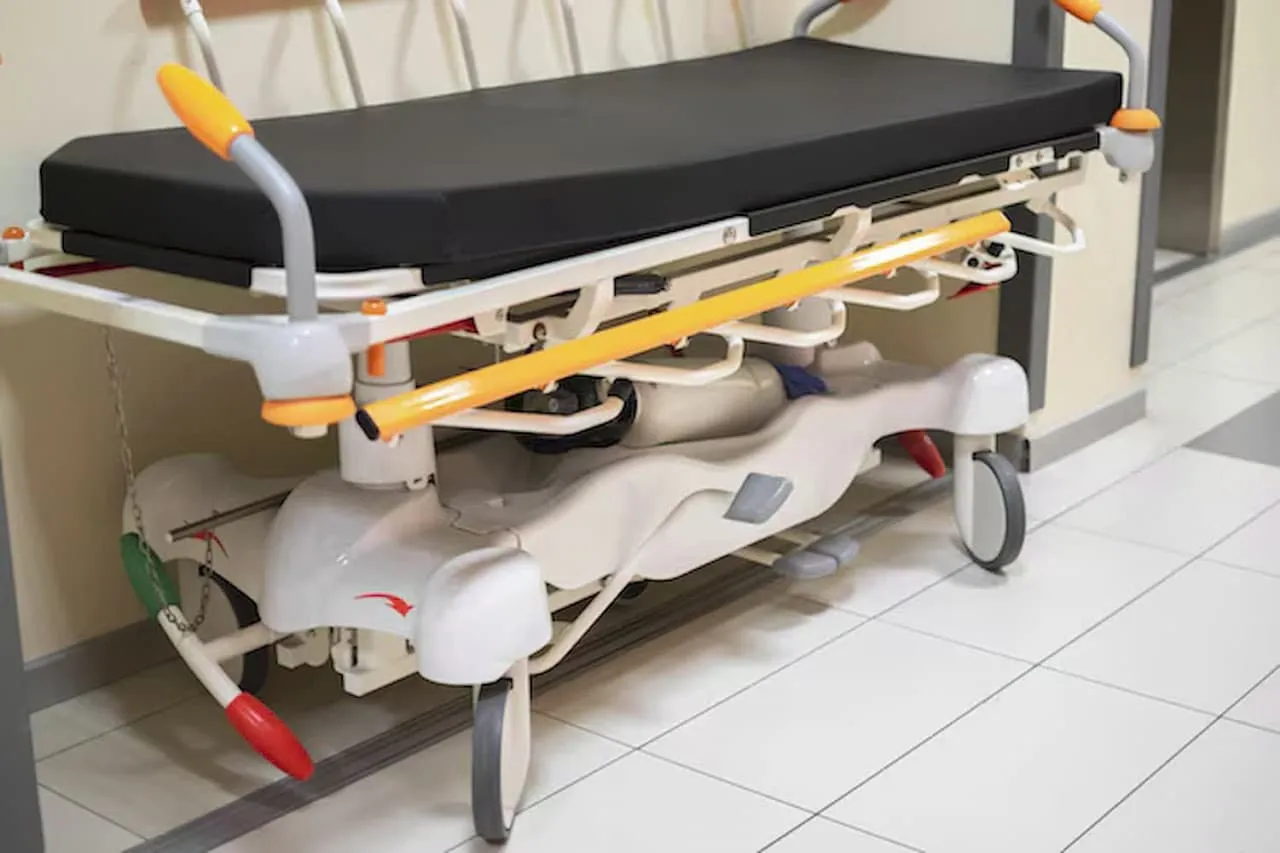

A chiropractic adjustment table is one of the most important tools in any chiropractic clinic. It supports patient comfort, allows accurate adjustments, and helps practitioners perform treatments efficiently. Since it is used many times every day, regular care of the chiropractic adjustment table is necessary to keep it functioning properly. Poor maintenance can lead to discomfort, safety risks, and expensive repairs. A well maintained table improves the professional image of the clinic and increases patient trust. Following a simple maintenance checklist helps protect both the equipment and the overall treatment experience.
Daily Cleaning and Surface Care
Wipe Down Upholstery After Every Use
The surface of a chiropractic adjustment table should be cleaned after every patient visit. This helps remove body oils, sweat, dust, and bacteria that collect throughout the day. Using a gentle disinfectant keeps the table hygienic without damaging the upholstery material. Harsh chemicals should be avoided because they may cause cracks or fading over time. A soft cloth is usually the safest option for daily cleaning. Clean upholstery also creates a more professional and welcoming appearance for patients.
Check for Tears, Cracks, or Surface Damage
Small cracks or tears in the upholstery can quickly turn into larger problems if ignored. These damaged areas can collect dirt and bacteria, making cleaning more difficult. Daily visual inspection helps staff notice issues before they become expensive repairs. Worn surfaces may also reduce patient comfort during treatment sessions. Repairing minor damage early can extend the life of the chiropractic adjustment table. Keeping the surface smooth and clean supports both hygiene and comfort.
Mechanical Inspection and Function Testing
Test Moving Parts Regularly
Many chiropractic adjustment tables include moving parts such as drop sections, headpieces, and elevation controls. These features should be tested often to make sure they move smoothly and correctly. If a section feels stiff or makes unusual sounds, it may need attention. Small mechanical issues can quickly become serious if left untreated. Regular testing helps maintain treatment accuracy and practitioner confidence. Smooth movement is essential for safe and effective chiropractic care.
Tighten Loose Bolts and Fasteners
Daily use can cause screws, bolts, and fasteners to loosen over time. This may lead to shaking, wobbling, or reduced stability during adjustments. A quick inspection of the table frame helps identify loose parts early. Tightening them improves safety and prevents larger structural problems later. Stable equipment gives patients a better sense of comfort and trust. A secure chiropractic adjustment table performs better and lasts longer.
Hydraulic and Electrical System Maintenance
Inspect Hydraulic Components for Leaks
Hydraulic systems should be checked regularly for signs of leaking fluid or pressure loss. Even a small leak can reduce lifting performance and create safety concerns. Slow movement or uneven table height may indicate hydraulic trouble. These warning signs should be handled quickly to avoid expensive repairs. Clean and efficient hydraulic performance keeps the table operating smoothly. Regular inspection helps prevent sudden breakdowns during patient care.
Check Power Cords and Electrical Controls
Electric chiropractic adjustment tables depend on safe and reliable power connections. Power cords should be checked for fraying, loose plugs, or visible damage. Foot pedals and control buttons should also respond quickly and smoothly. Faulty electrical parts can interrupt treatments and create unnecessary risks. Early replacement of worn components improves both safety and efficiency. Reliable electrical performance supports a smooth daily workflow in the clinic.
Lubrication and Noise Prevention
Apply Lubrication to Recommended Areas
Moving joints and hinges often require proper lubrication to reduce friction and wear. Following the manufacturer’s instructions helps identify the correct areas and schedule for lubrication. This keeps the table operating quietly and smoothly during adjustments. Too much lubricant should be avoided because it may attract dust and debris. Proper lubrication also reduces stress on internal parts over time. A well lubricated chiropractic adjustment table stays efficient and reliable.
Listen for Unusual Sounds
Strange sounds such as squeaking, clicking, or grinding often signal a maintenance issue. These noises may come from loose parts, dry hinges, or worn mechanical sections. Paying attention to sound changes helps staff detect problems early. Ignoring these signs can lead to more serious repairs later. Quiet operation improves the patient experience and reflects proper equipment care. Listening carefully is a simple but effective maintenance habit.
Weight Capacity and Usage Awareness
Follow Manufacturer Weight Guidelines
Every chiropractic adjustment table has a recommended weight limit that should always be followed. Exceeding this limit can damage the frame, lifting system, and adjustment sections. It may also create safety concerns for both patients and practitioners. Staff should understand these limits and use the equipment responsibly. Respecting weight capacity helps prevent unnecessary stress on the table. Proper usage protects the investment and supports long term performance.
Avoid Misuse of Adjustable Sections
Drop pieces and movable sections are designed for specific treatment purposes only. Using excessive force or handling them incorrectly can damage important mechanisms. Repeated misuse may reduce the precision of future adjustments. Staff training helps prevent unnecessary wear caused by improper operation. Careful handling keeps the table accurate, stable, and dependable. A properly used chiropractic adjustment table provides better results and longer service life.
Professional Servicing and Preventive Maintenance
Schedule Routine Professional Inspections
Professional servicing is important even when daily maintenance is done consistently. Trained technicians can inspect hidden areas that may not be visible during normal checks. They can also test hydraulic systems, electrical controls, and internal mechanisms more thoroughly. Routine inspections help prevent sudden equipment failure and costly emergency repairs. Annual servicing is often recommended for high use clinics. Preventive care keeps the chiropractic adjustment table in excellent working condition.
Keep a Maintenance Record
A maintenance log helps track cleaning, inspections, repairs, and service appointments. This record makes it easier to identify repeated issues or patterns over time. It also helps clinics stay organized and avoid missed maintenance tasks. Staff can use the log to ensure every step is completed consistently. Good documentation supports better planning for future repairs or replacements. A recorded history improves the overall management of chiropractic equipment.
Conclusion
A chiropractic adjustment table requires regular attention to stay safe, clean, and fully functional. Daily cleaning, mechanical inspections, lubrication, and professional servicing all play an important role in protecting its performance. Proper maintenance improves patient comfort, supports treatment accuracy, and reduces the risk of costly repairs. Clinics that care for their equipment create a more professional and trustworthy environment for every patient.
Advanced Chiropractic Equipment provides dependable chiropractic solutions designed for long term durability and performance. Their commitment to quality helps clinics maintain efficient treatment spaces with confidence. By combining reliable equipment with proper maintenance habits, chiropractic professionals can protect their investment and improve patient satisfaction. A strong focus on equipment care always leads to better results and smoother daily operations.
























Sign in to leave a comment.