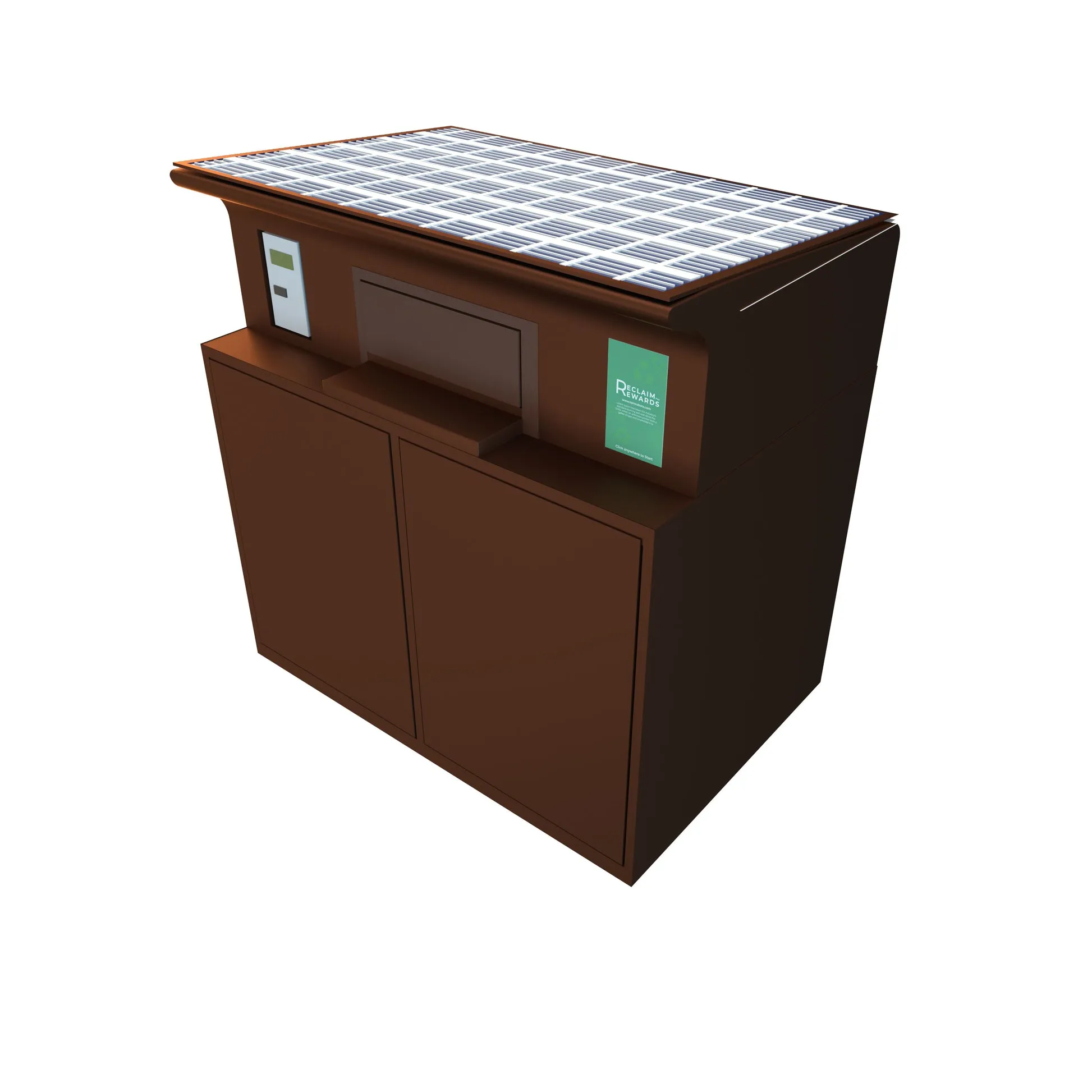

Waste management in busy outdoor spaces usually comes down to overflowing bins and frequent collection trips, and a solar-powered garbage compactor solves both problems at once. It uses solar energy to compress trash on its own, so it holds far more waste than a standard bin without needing constant emptying. A regular outdoor bin simply can't keep up in the same way.
Choosing the right waste solution often comes down to finding something that cuts down on overflow, reduces collection costs, and fits into busy public spaces, qualities a well-built solar compacting bin checks off better than most alternatives. The points below cover what makes it such a practical and lasting choice for cities, campuses, and parks.
It Solves The Overflow Problem
Regular bins fill up fast in busy areas. Once they're full, trash spills out and ends up scattered on the ground instead of staying inside the bin. A solar powered bin stops this from happening. It presses the trash down as it comes in, so it can hold much more waste than a normal bin of the same size before someone needs to empty it.
This extra space matters most in busy spots like parks, campuses, and city streets, where bins get used all day and staff can't check them every couple of hours.
It Cuts Down On Collection Trips
Every collection run costs time, fuel, and staff hours, especially across a large site with many bins spread out. A solar-powered garbage compactor reduces how often each bin needs to be emptied, sometimes down to a fraction of the usual schedule, simply because it compresses what would otherwise be loose, bulky waste.
Fewer collection trips also means less vehicle traffic moving through public areas, which matters for parks and campuses that want to keep foot traffic areas clear and quiet.
It Runs On Solar Power, Not The Grid
These bins run on solar power, so they don't need a power outlet nearby, and there's no ongoing electricity bill to pay for running them. A small solar panel charges the unit throughout the day, which lets it compress waste using stored energy even after the sun goes down.
That independence from the grid makes outdoor waste compression with solar power practical almost anywhere, including remote park areas or outdoor spaces where running electrical wiring would be difficult or expensive.
It's Built For Constant Outdoor Use
Outdoor bins deal with rain, heat, foot traffic, and general wear every single day, and cheaper bins tend to show that wear quickly with cracked lids, rusted hinges, or bent frames. A solar compression garbage bin built for outdoor conditions holds up far better across seasons of heavy public use.
That durability matters for cities and campuses that need equipment lasting years, not something that needs replacing after a single harsh summer or winter.
It Supports Cleaner Public Spaces
Overflowing bins don't just look bad, they attract pests, create odours, and discourage people from using a space the way it's meant to be used. A compacting bin keeps trash contained and out of sight for longer, which keeps parks, campuses, and city streets looking cleaner without extra staff effort.
That cleaner appearance also supports how a space is perceived overall, since visitors and residents tend to judge the upkeep of a public area by how it looks and smells, not just by whether bins are technically present.
What To Check Before Choosing One
A few details are worth checking before selecting a solar compacting bin for a site. Look at how much waste the bin can hold before it needs to be emptied, since this varies a lot between models. Also check the solar panel and battery, since this affects how well the bin keeps working, especially on cloudy days. And consider the build quality of the housing, since that's what determines how well it holds up outdoors over time.
Size matters too. A smaller unit suits a low-traffic park corner, while a larger bin suits a busy campus walkway or a high-traffic city street corner.
Is It Worth Investing In?
A solar-powered compacting bin costs more upfront than a standard outdoor bin, and that's a fair thing to weigh before committing to a purchase. But the comparison isn't really equal. A standard bin needs frequent collection trips and still risks overflowing between visits. A solar compacting bin holds more waste, needs fewer collection runs, and runs without ongoing electricity costs.
For cities, campuses, and parks managing waste across many locations, that reduction in collection frequency and running cost tends to make the higher upfront price worthwhile fairly quickly.
Final Thoughts
A solar-powered garbage compactor solves the core problems that come with outdoor waste management: overflow, frequent collection, and ongoing running costs. It's suited for modern cities, campuses, parks, and any public space that wants a cleaner, more sustainable way to handle trash. A well-built solar powered bin is the kind of equipment that keeps proving its value the longer it stays in use.
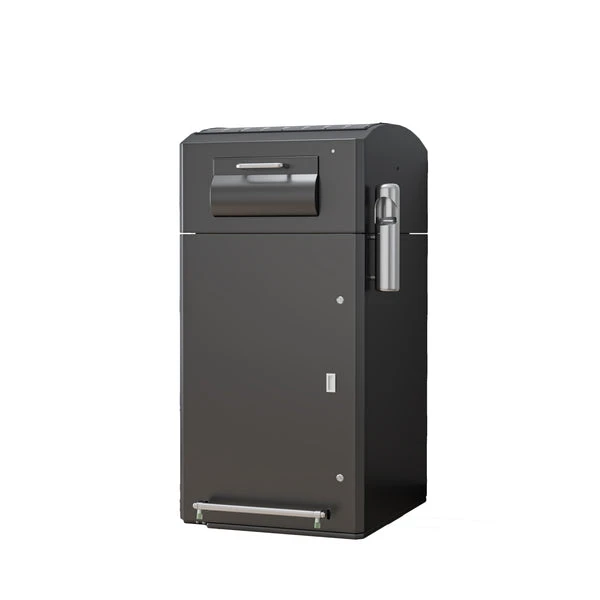
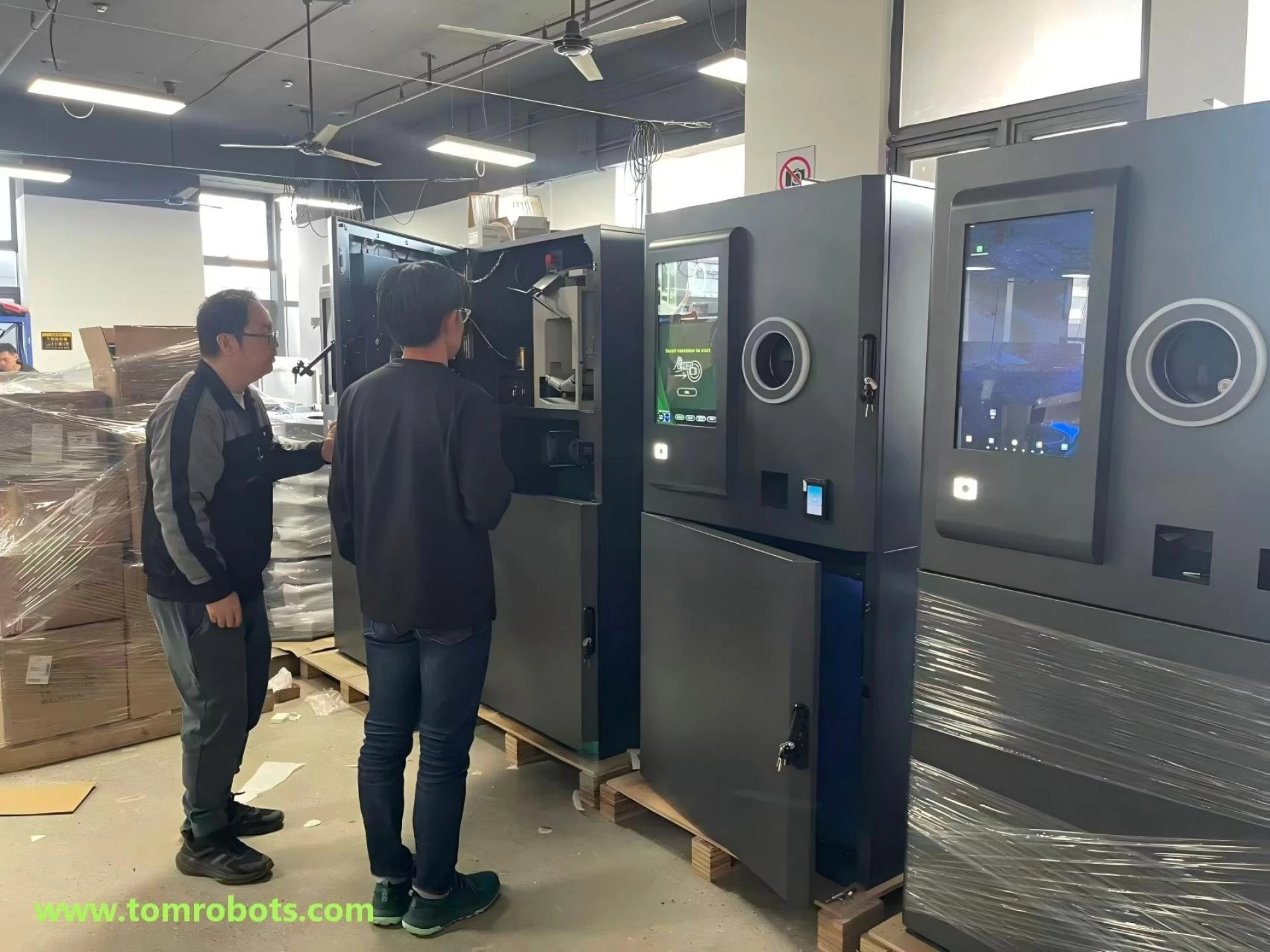
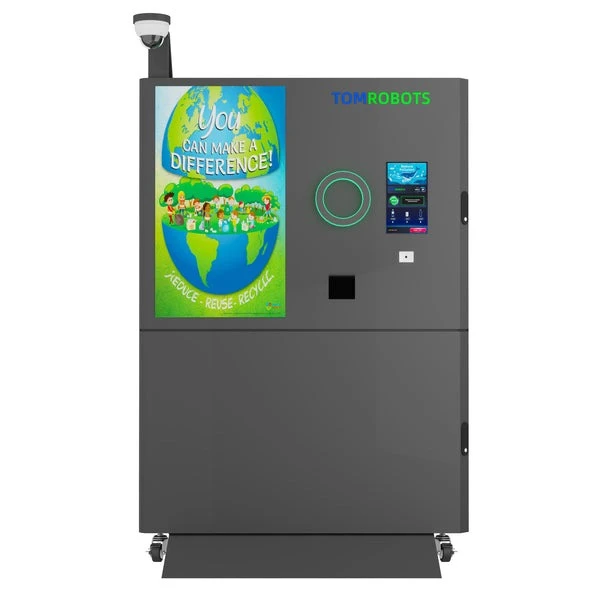
At Tom Robots, we build solar-powered compacting bins that help cities, campuses, and public spaces handle waste better. They use solar power to stop bins from overflowing and cut down on how often they need to be collected.

























Sign in to leave a comment.