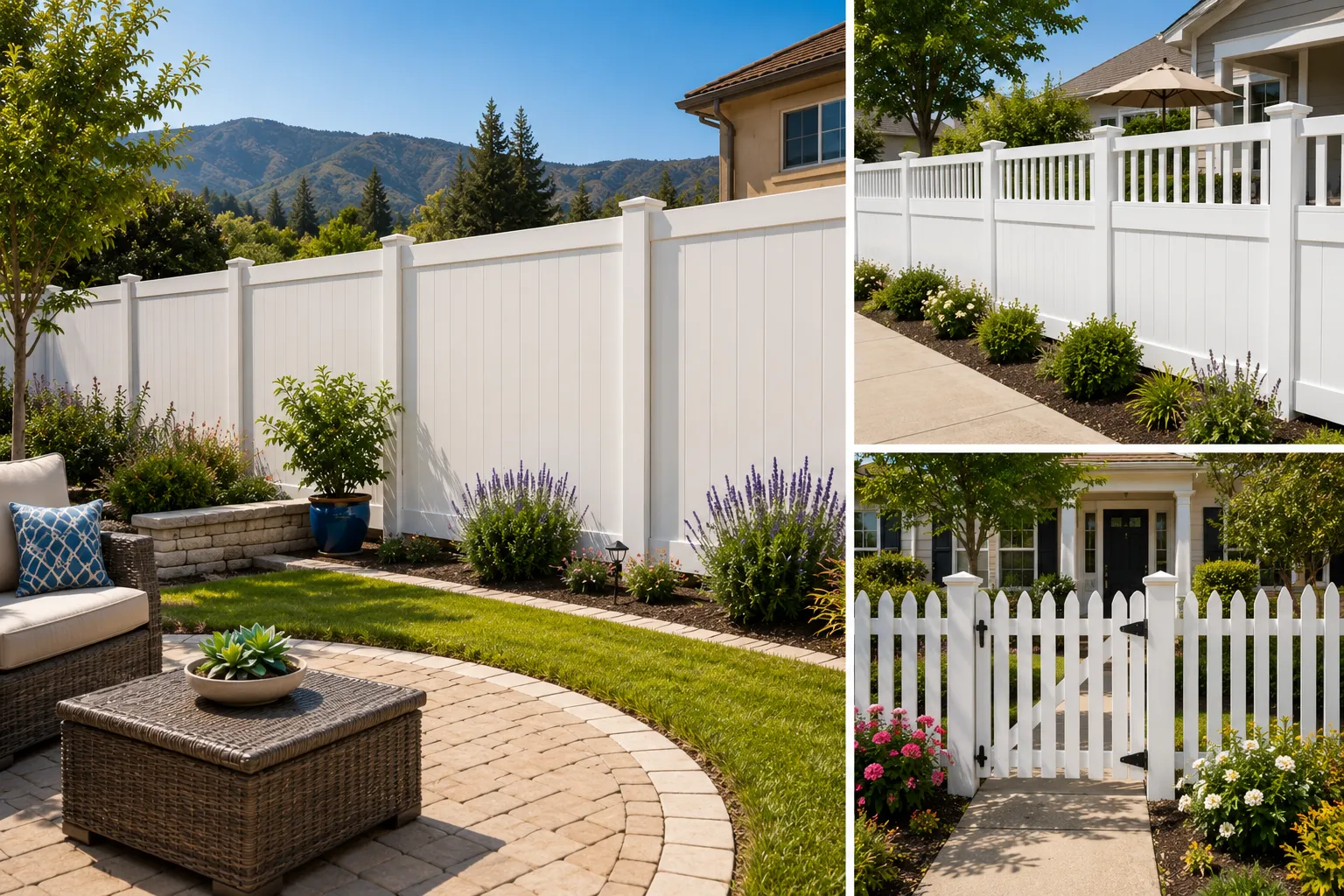

Choosing a fence is not simply about marking a boundary. The right design can improve privacy, support outdoor living, help protect children or pets, and complement the appearance of your home. For homeowners in Alpine and nearby San Diego communities, vinyl is often attractive because it provides a clean, consistent finish without the painting, staining, or sealing commonly required by wood.
The challenge is selecting from different heights, colors, panel arrangements, decorative tops, and gate configurations. A style that works around a front garden may be too open beside a pool, while a solid panel may feel unnecessarily enclosed along a scenic boundary. Understanding how each choice affects privacy, airflow, access, maintenance, and long-term use makes the selection process easier.
Start With the Purpose of Your Fence
Begin by defining the result you need: backyard screening, pool security, pet containment, a clear property line, or a decorative entrance. Rank privacy, security, visibility, airflow, appearance, maintenance, and budget.
Solid panels provide the strongest visual separation. Semi-privacy fencing allows more light and breeze, while picket and ranch-rail styles suit areas where boundary definition matters more than seclusion. The finished system must work with your routine, layout, and future plans not only look attractive in a sample photograph.
Compare the Main Vinyl Fence Styles
Full-Privacy Vinyl Fencing
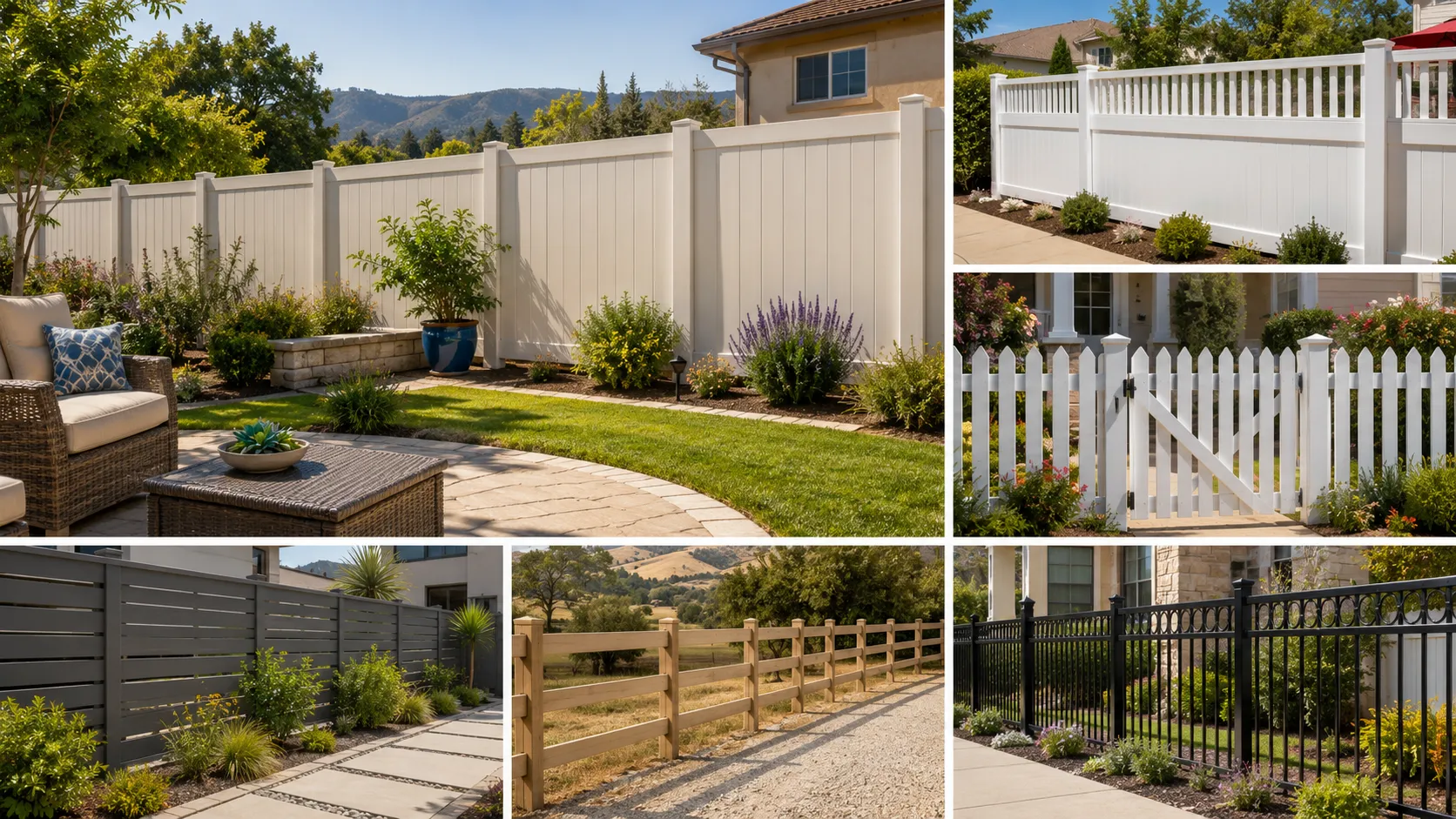
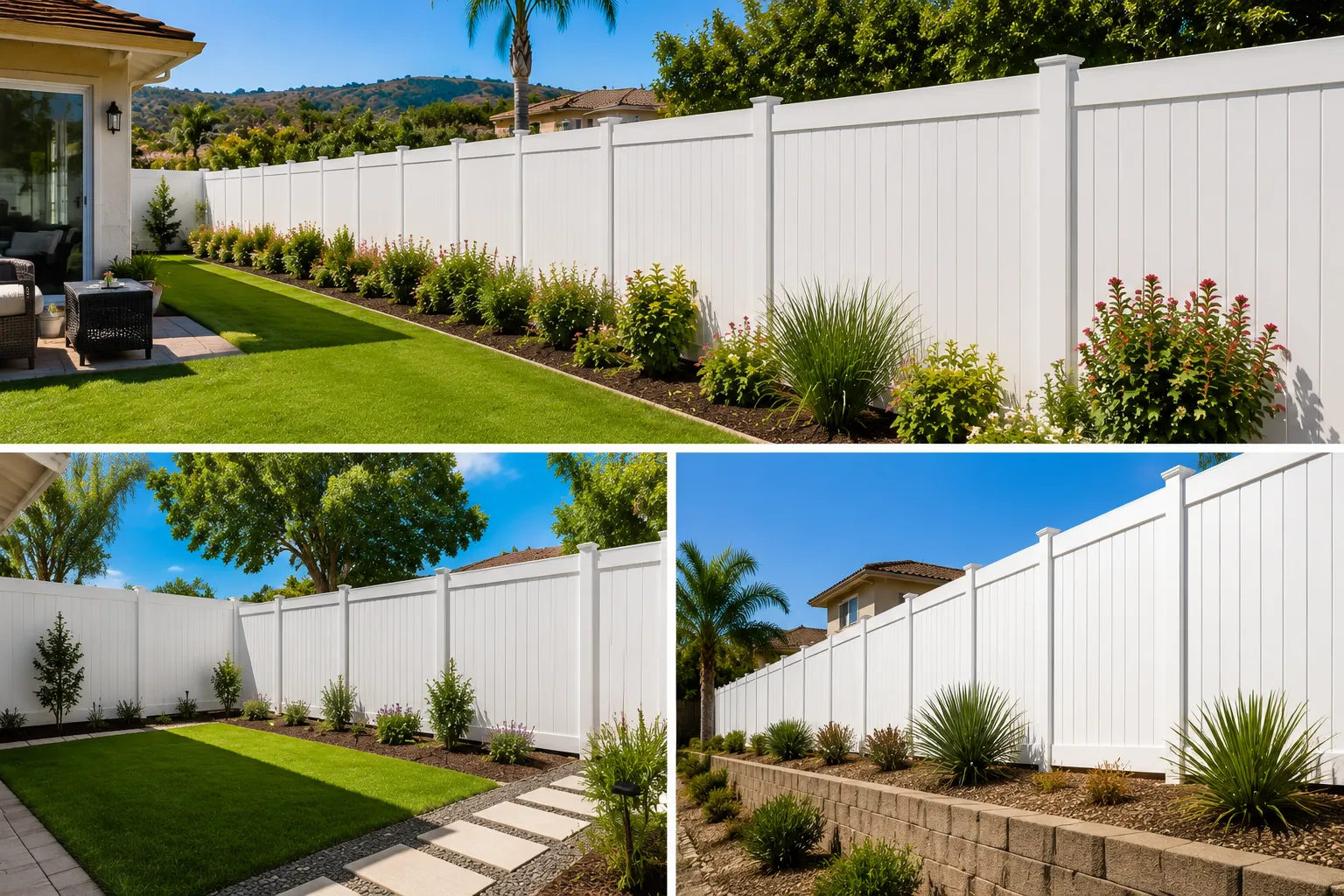
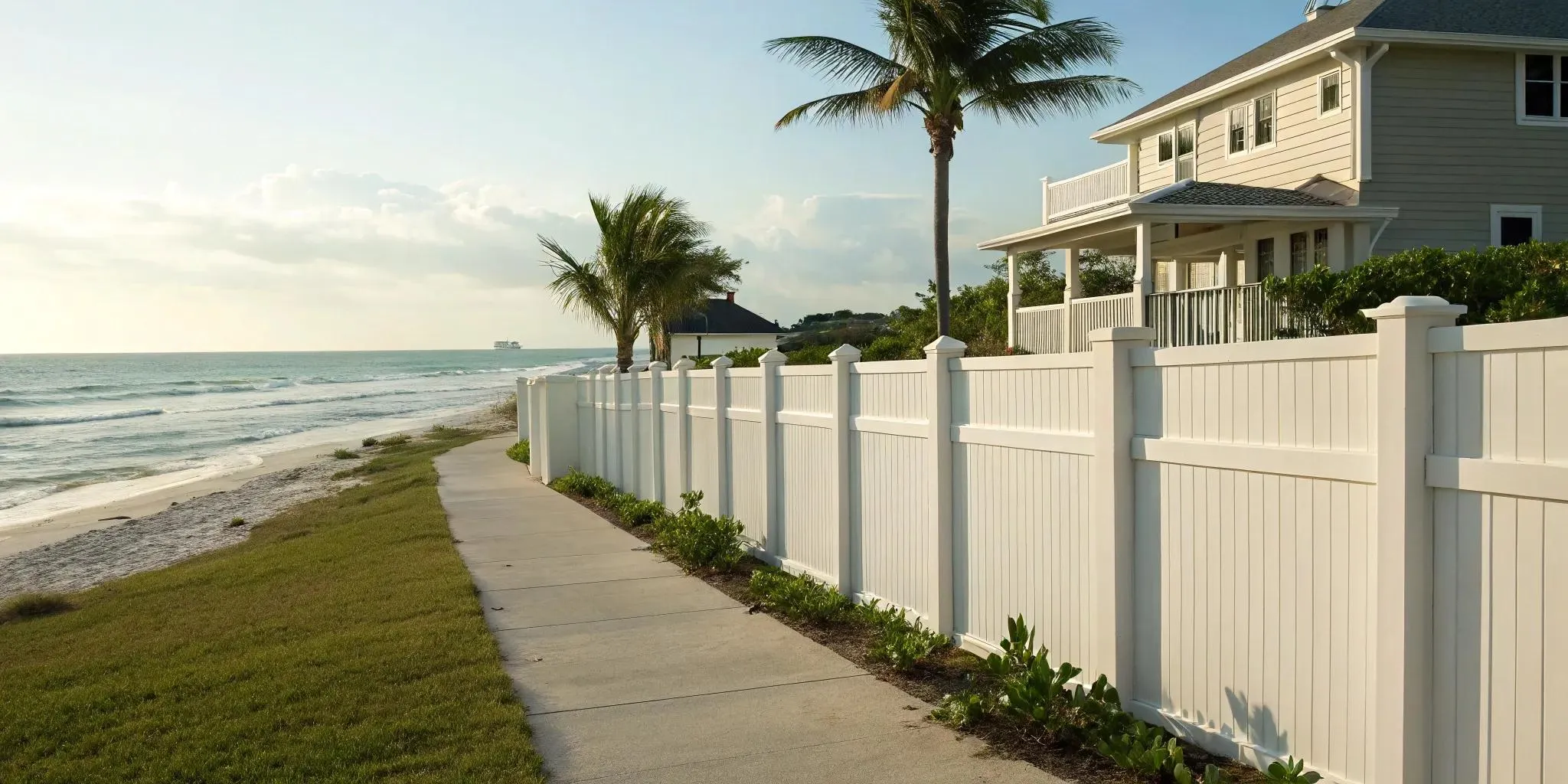
Full-privacy fencing uses tightly fitted panels to block direct views around backyards, patios, side yards, pools, and entertainment areas. Decorative toppers can soften the solid appearance. Because closed panels catch more wind than open designs, post spacing, reinforcement, soil, site exposure, and gate framing should be addressed during planning.
Homeowners searching “Who Offers Custom Vinyl Privacy Fencing In My Area?” should ask whether the height, color, layout, gate width, and decorative details can be adapted to the property rather than selected from a one-size package.
Semi-Privacy Vinyl Fencing
Semi-privacy fencing uses small spaces between boards or an open upper section. It reduces visibility without completely closing the yard. Wider gaps create openness; narrower gaps improve screening. Check views from neighboring windows, sidewalks, patios, and higher ground before choosing the spacing.
Vinyl Picket Fencing
Picket fencing gives gardens, walkways, and front lawns a traditional, open appearance. Straight, scalloped, arched, narrow, or pointed profiles can match different homes. Spacing, bottom clearance, latch position, and gate width should reflect whether the fence is decorative or intended to contain a pet.
Decorative and Universal Vinyl Styles
Universal designs can combine privacy, security, and curb appeal through horizontal or vertical boards, spaced sections, contrasting finishes, lattice, inserts, or woodgrain-inspired surfaces. Modern homes may suit horizontal lines and darker finishes; traditional properties often pair well with vertical panels, shaped caps, or lattice. Custom Vinyl Privacy Fencing should look intentional from every viewpoint.
Vinyl Ranch-Rail Fencing
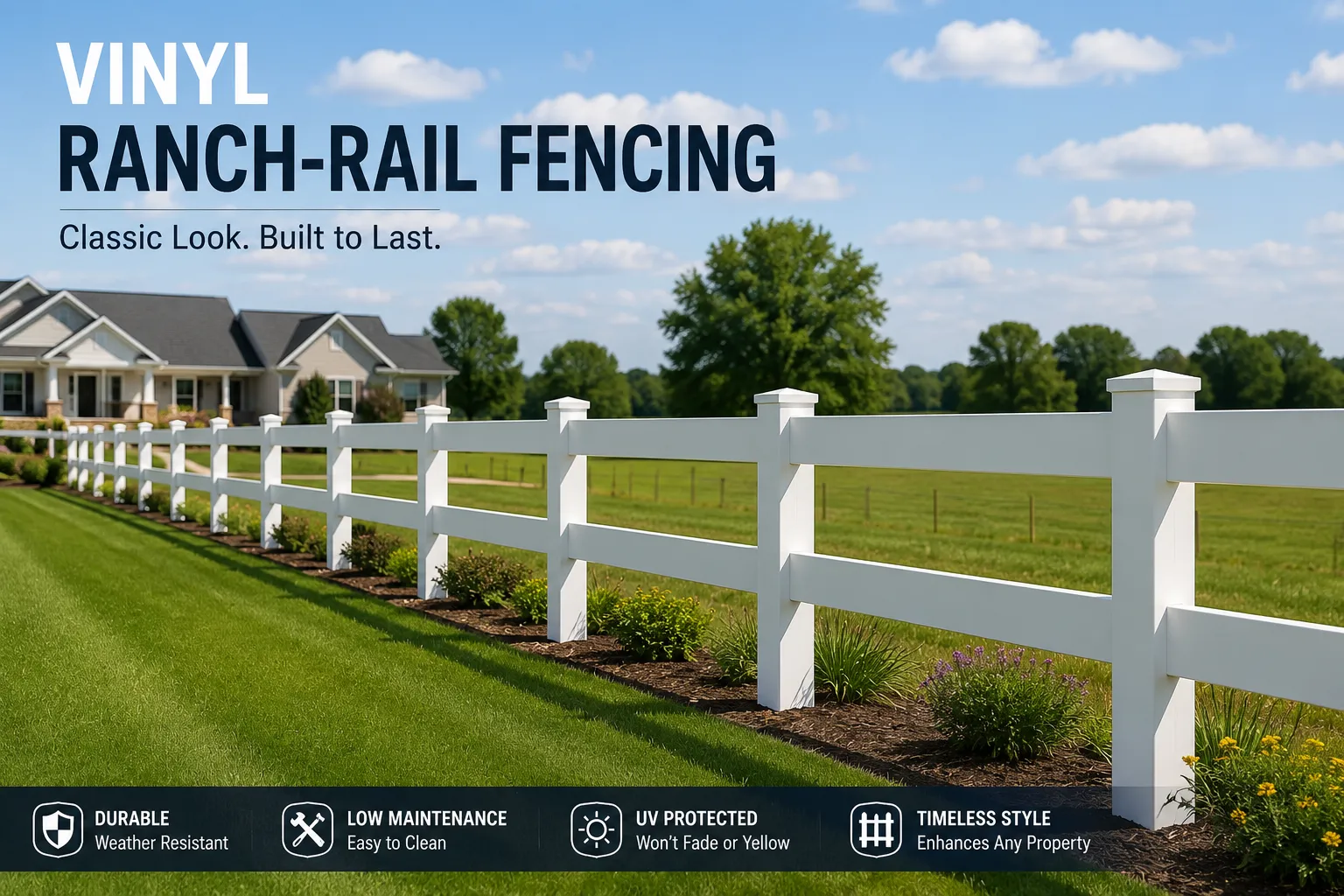
Ranch-rail fencing defines large yards, long boundaries, and rural-style properties without blocking views. Chain-link backing can support pet or animal containment. Because this style does not provide visual privacy, it is chosen mainly for openness and boundary control. Gate width should account for vehicles, trailers, equipment, and turning space.
Match the Fence to Your Home and Landscape
Relate the fence to the roof, exterior walls, trim, driveway, retaining walls, and landscaping. White creates a crisp appearance, while tan, clay, gray, and wood-inspired finishes may blend with stucco, stone, dry-climate planting, or darker palettes. View physical samples outdoors in sun and shade, and consider whether the finish will still work if the home is repainted or the landscaping matures.
Evaluate Privacy From Multiple Angles
Privacy depends on more than fence height. Yard slope, neighboring elevations, decks, second-story windows, and the placement of patios or pools all affect visibility.
Stand where privacy matters most and study the sightlines. Then view the proposed fence line from outside the yard. You may discover that solid panels are needed near the patio but semi-private or open sections are sufficient elsewhere.
When asking “Who Offers Custom Vinyl Privacy Fencing In My Area?”, look for a contractor who evaluates real viewing angles instead of automatically recommending one height for every boundary.
Plan Gates Early
A gate receives more movement and stress than a fixed fence section. Its width, frame, hinges, latch, clearance, and swing direction should be decided before installation.
Consider trash bins, lawn equipment, bicycles, mobility access, trailers, vehicles, and emergency entry. On sloped ground, confirm that the gate can open without dragging or leaving a large gap.
Wide or heavy vinyl gates may require steel-frame reinforcement to maintain alignment. Proper hardware and accurate post placement help the gate operate smoothly and latch consistently over time.
Account for Slopes, Drainage, Wind, and Soil
Properties around Alpine can vary in grade, soil, and exposure. A fence may need to follow a slope, step down in sections, cross firm ground, or preserve drainage paths.
Racked installation follows the contour of the land, while stepped installation keeps panels level and changes height at each post. The best method depends on the panel system, degree of slope, privacy goals, and desired appearance.
Site inspection is important before posts are placed. People asking, “Who Offers Custom Vinyl Privacy Fencing In My Area?” should prioritize providers who measure the property, review access, and identify terrain challenges before finalizing the scope.
Compare Vinyl With Other Materials
Vinyl is useful when privacy, low maintenance, and a consistent appearance are priorities, but one material may not be ideal for every part of a property.
Wood Fence Installation can provide natural grain, flexible board patterns, and stainable finishes. Ornamental Iron Fence Installation is suitable where visibility, elegance, and an open boundary are preferred. Chain Link Fence Installation can work well for pet areas, utility sections, and locations where function matters more than screening.
A mixed layout may use vinyl in the backyard, ornamental iron at the front, and chain link around a utility area. Choose the material that performs best in each location.
Review Maintenance and Future Use
Vinyl does not need routine painting or staining, but basic care still matters. Clean surface buildup with water, mild soap, and a soft cloth or brush. Check gate alignment, hinges, and latches periodically, and keep stored materials or heavy plants from pressing against panels.
Think beyond installation day. Will the layout still work if you add a pool, redesign the patio, adopt a pet, or need wider access? Custom Vinyl Privacy Fencing should support how the property may be used for years, not only how it looks today.
Choose a Contractor Based on Planning Quality
A clear estimate should explain the fence line, material, style, height, gates, removal work, site preparation, and installation assumptions. Ask who will complete the work, what warranties apply, how changes are approved, and whether cleanup is included.
Review examples of projects with similar slopes, gates, and privacy requirements. The question “Who Offers Custom Vinyl Privacy Fencing in My Area?” is best answered by comparing planning quality, material knowledge, communication, and written scope not only the lowest price.
Before approval, review physical samples and mark the fence line and gate locations on the property. Walk the route to check sightlines, landscaping conflicts, access, and transitions between different heights.
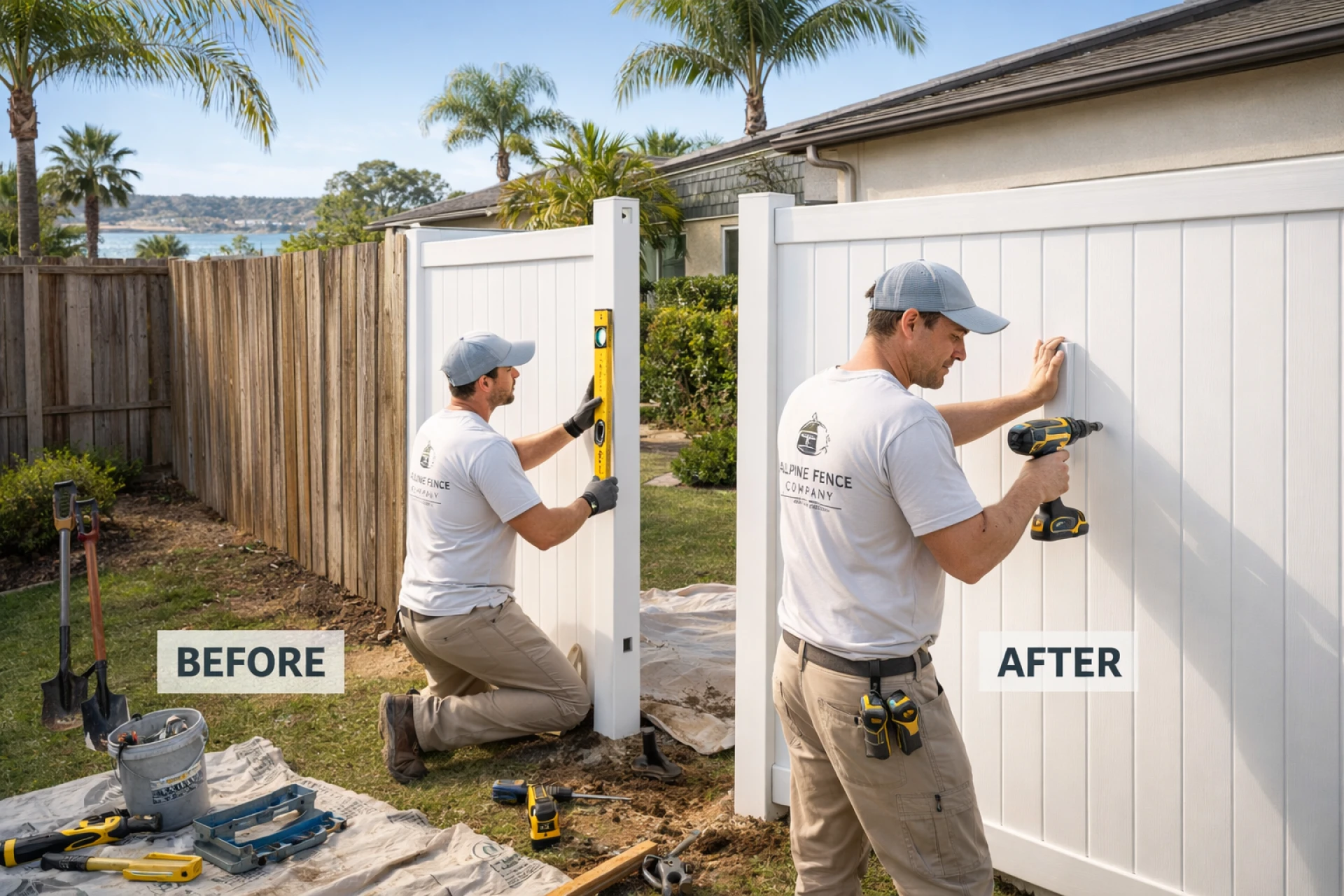
For homeowners in Alpine, Alpine Fence Company provides Vinyl Fence Installation along with wood, ornamental iron, and chain-link options. The objective should be a design fitted to the property rather than a standard solution applied everywhere.
Conclusion
The right vinyl fence style depends on how the property is used, where privacy is required, which views should remain open, and how the fence relates to the home. Start with function, inspect the property from several angles, plan gates carefully, and compare privacy, semi-privacy, picket, decorative, and ranch-rail designs.
When you search “Who Offers Custom Vinyl Privacy Fencing in My Area?” choose a provider who listens, measures carefully, explains alternatives, and adapts the design to your land. Alpine Fence Company can help Alpine property owners evaluate practical fencing options and develop a layout suited to their needs.
Frequently Asked Questions
1. How Do I Choose Between Full-Privacy and Semi-Privacy Vinyl Fencing?
Choose full privacy when blocking direct views is the main goal. Semi-privacy is better when you want screening with more light and airflow. Consider neighboring elevations, seating areas, wind exposure, and how enclosed you want the yard to feel.
2. Can Vinyl Privacy Fencing Follow a Sloped Yard Without Large Gaps?
Yes, depending on the panel system and degree of slope. The fence may be racked to follow the grade or stepped down in level sections. The chosen method should balance bottom clearance, appearance, drainage, privacy, and gate operation.
3. What Should I Ask When Searching “Who Offers Custom Vinyl Privacy Fencing In My Area?
Ask whether the provider completes an on-site evaluation, offers different heights and finishes, reinforces larger gates, and explains installation methods for slopes. Request a detailed written scope and clarify workmanship and material warranty coverage.
4. Is Vinyl Privacy Fencing Appropriate for Pets and Pool Areas?
It can be, but the design should reflect the specific use. Review fence height, bottom clearance, gate latches, panel spacing, visibility needs, and applicable safety requirements. A site-specific recommendation is more reliable than selecting a panel by appearance alone.
5. Can Vinyl Privacy Fencing Be Combined With Other Materials?
Yes. Vinyl can provide backyard screening, ornamental iron can preserve front-yard visibility, wood can add a natural feature, and chain link can secure pet or utility areas. Combining materials can improve function while keeping the overall design visually coordinated.
























Sign in to leave a comment.