
Introduction
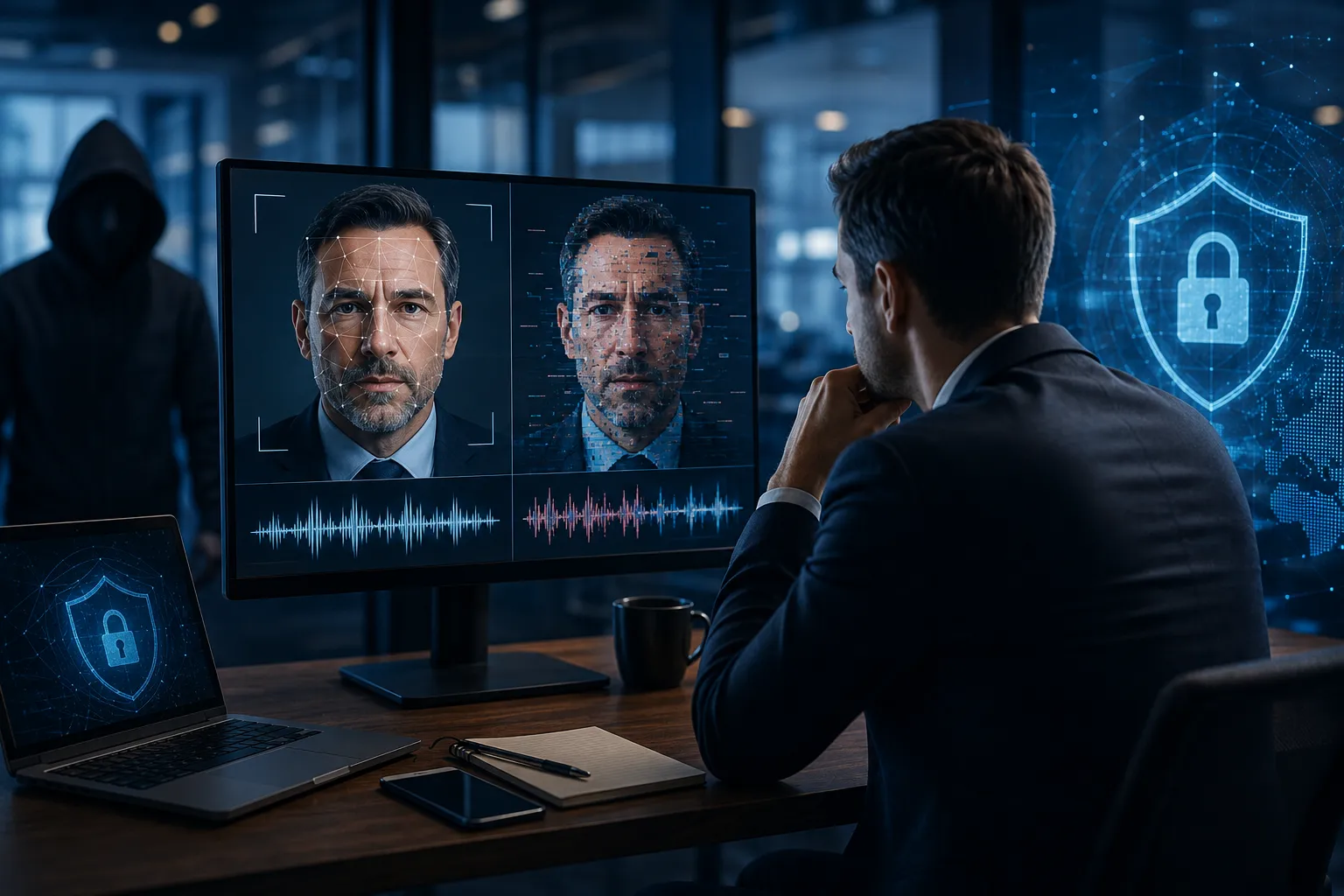
Artificial intelligence has transformed the way organizations communicate, collaborate, and make decisions. While these innovations improve productivity, they have also created new opportunities for cybercriminals. One of the fastest-growing threats is deepfake impersonations, where AI-generated audio, video, or images are used to imitate trusted individuals.
Unlike traditional phishing or email fraud, deepfake technology can convincingly replicate a person's appearance and voice. A fabricated video from a company executive or a cloned voice requesting an urgent payment can appear authentic enough to deceive employees, partners, and even customers. As these attacks become more sophisticated, businesses need stronger verification methods to protect sensitive communications and maintain trust. Modern AI-based media verification platforms are increasingly being adopted to help organizations identify manipulated content before it causes financial or reputational damage.
Understanding AI-Based Identity Fraud
Deepfake technology uses machine learning to generate highly realistic digital media. Attackers collect publicly available videos, interviews, webinars, podcasts, and social media content to create convincing fake audio and video.
These manipulated files are then used to:
- Request urgent financial transfers
- Share false business announcements
- Manipulate internal communications
- Mislead investors or business partners
- Damage a company's public reputation
Because the content appears genuine, employees may trust it without questioning its authenticity. This makes media verification just as important as traditional cybersecurity controls.
Executive Impersonations Have Become a Serious Business Risk
Senior leadership is often the primary target because executives possess authority over financial approvals, strategic decisions, and public communication. Executive impersonations exploit that trust to manipulate employees into taking actions they would normally verify.
Common examples include:
- Fake CEO video messages requesting confidential information
- AI-generated voice calls authorizing wire transfers
- Fabricated board meeting recordings
- False announcements shared through internal communication channels
- Cloned executive interviews distributed online
Since leadership communications often influence large groups of employees, a single convincing fake can have widespread consequences across an organization.
How Modern Social Engineering Has Changed
Traditional scams usually relied on fake emails or spoofed domains. Today's attackers combine multiple techniques, making fraud much harder to detect.
A typical attack may include:
- Researching public information about company leadership.
- Creating synthetic voice or video content.
- Sending urgent requests through email or messaging platforms.
- Supporting those requests with fake media.
- Pressuring employees to bypass verification procedures.
By combining several communication channels, attackers create a convincing story that increases the likelihood of success.
Executive Impersonation Attacks Continue to Evolve
Unlike earlier phishing campaigns, executive impersonation attacks often include realistic multimedia rather than text alone. Employees may receive a video conference invitation, a recorded voice message, or a short executive briefing that appears legitimate.
These attacks commonly target:
- Finance departments
- Human resources
- Procurement teams
- Legal departments
- Executive assistants
- Investor relations teams
The goal is usually to create urgency while discouraging employees from following standard approval procedures. Organizations that rely solely on email security may struggle to identify these more advanced forms of deception.
Warning Signs Employees Should Recognize
Although AI-generated media continues to improve, suspicious communications often display subtle warning signs.
Organizations should be cautious when communications include:
- Requests for immediate financial approval
- Confidential payment instructions
- New vendor banking information
- Pressure to avoid normal verification
- Unexpected communication outside business hours
- Low-quality video or unusual audio characteristics
- Refusal to verify identity through established channels
Employee awareness remains one of the strongest defenses against social engineering attempts.
Deepfake Protection for Corporate Communications Is Becoming Essential
As organizations increasingly depend on digital collaboration, deepfake protection for corporate communications has become an important component of enterprise security.
Effective protection usually combines multiple layers, including:
Multi-Factor Verification
Critical decisions should always require independent confirmation, especially for financial transactions and sensitive approvals.
Media Authentication
AI-powered forensic analysis can examine audio, video, and images for signs of synthetic manipulation before they are trusted.
Employee Awareness
Regular security training helps staff recognize suspicious communication patterns and report unusual requests.
Communication Policies
Organizations should establish clear procedures for verifying executive requests, regardless of the communication channel.
Continuous Monitoring
Security teams should monitor public platforms for fake executive content that could harm brand reputation or mislead stakeholders.
How AI Detection Strengthens Enterprise Security
Traditional cybersecurity tools are designed to detect malware, phishing emails, and unauthorized network activity. AI-generated media introduces a different challenge because the content itself appears legitimate.
Modern forensic detection systems analyze:
- Facial movement consistency
- Voice characteristics
- Lip synchronization
- Digital metadata
- Visual artifacts
- Audio anomalies
- Signs of synthetic generation
These capabilities provide security teams with additional evidence when reviewing suspicious communications before critical business decisions are made.
Best Practices for Organizations
Businesses can significantly reduce their exposure by adopting a layered security strategy.
Recommended practices include:
- Verify all high-value financial requests through secondary communication channels.
- Require multiple approvals for sensitive transactions.
- Train employees to recognize AI-generated media risks.
- Monitor executive identities across digital platforms.
- Review suspicious audio and video before acting on them.
- Maintain documented incident response procedures for suspected media manipulation.
- Integrate media verification into existing cybersecurity workflows.
These measures help reduce the likelihood of successful social engineering attacks while strengthening organizational resilience.
The Future of Enterprise Communication Security
AI-generated media will continue to become more realistic, making identity verification increasingly important. Organizations that adopt proactive detection technologies, establish clear communication policies, and educate employees will be better prepared to respond to emerging threats.
Rather than relying solely on trust, businesses are moving toward verification-based communication models where important decisions are supported by multiple layers of authentication and forensic analysis. This approach helps preserve operational integrity, protect executive identities, and maintain confidence among employees, partners, and customers.
Conclusion
AI-generated deception is changing the cybersecurity landscape. From synthetic voice messages to realistic video manipulation, attackers now have powerful tools to imitate trusted individuals and influence business decisions. Organizations must strengthen their defenses by combining employee awareness, verification procedures, and advanced media authentication technologies.
Building a layered security strategy today will help organizations maintain trusted communications, reduce fraud risks, and stay prepared as AI-driven threats continue to evolve.



















Sign in to leave a comment.