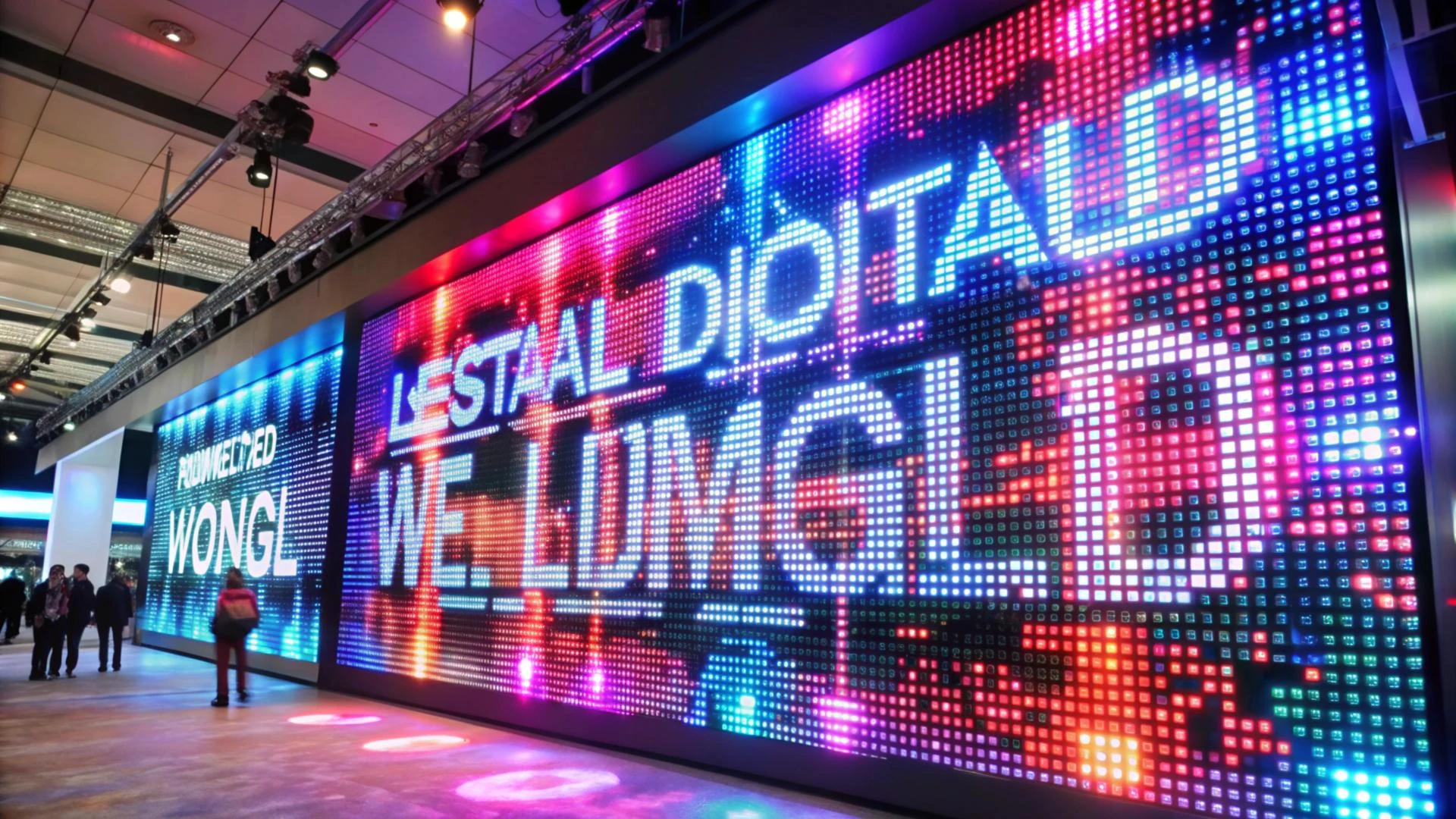

Outdoor advertising has been a powerful medium for decades, but the shift from static billboards to dynamic, digital displays has transformed the way messages reach the public. LED advertising screens are now found on highways, shopping centres, stadiums, and city squares across Australia, providing high-impact visibility to diverse audiences.
Yet with so many options on the market, choosing the right LED advertising screen for outdoor use can be overwhelming. The decision involves more than screen size—it includes pixel density, brightness, weather protection, maintenance needs, power efficiency, and compliance with local regulations. A poor choice can lead to wasted investment, poor visibility, or ongoing maintenance headaches.
This guide unpacks the key factors that organisations, event managers, and advertisers need to consider before selecting an LED advertising screen for outdoor environments.
Understanding LED Advertising Screens
An LED (Light Emitting Diode) advertising screen is a digital display that uses clusters of LEDs to produce images, animations, and videos. Unlike traditional billboards, LED screens are versatile and can change content instantly.
Outdoor LED screens must be designed to handle unique challenges that indoor screens don’t face: intense sunlight, rain, dust, temperature fluctuations, and continuous operation for long hours.
When choosing one for outdoor use, the selection process should focus on durability, visibility, performance, and adaptability.
Why Outdoor LED Advertising Screens Matter
Outdoor environments are dynamic. People are often moving, driving, or glancing briefly at the display. This means visibility and clarity are paramount. A well-selected LED screen can:
- Enhance visibility – ensuring content is clear even in direct sunlight.
- Create impact – bright, vibrant visuals capture attention quickly.
- Enable flexible messaging – digital content can be changed in real time.
- Increase longevity – a durable screen reduces costly repairs.
Without careful planning, however, the same screen can become an ineffective and expensive mistake.
Step 1: Consider Location and Viewing Distance
One of the first things to evaluate is where the screen will be installed.
- Highways and Large Venues – These require large-format LED screens with higher pixel pitch because audiences view them from a long distance.
- Shopping Centres or Pedestrian Zones – Closer viewing distances require finer pixel pitch for sharper images.
- Public Squares or Transit Hubs – Screens need to balance visibility for both close and distant viewers.
Key Tip: Pixel pitch (the distance between LED pixels) should match the expected viewing distance. A small pitch (e.g., 4mm–6mm) provides clarity for close-up viewers, while a larger pitch (e.g., 10mm–16mm) is sufficient for highway billboards.
Step 2: Brightness and Visibility
Outdoor screens must compete with natural sunlight, which can easily wash out content. Brightness is measured in nits (cd/m²).
- Outdoor screens generally require 5,000–10,000 nits to remain visible in full daylight.
- Automatic brightness adjustment ensures the display dims at night to avoid glare and reduce energy use.
Tip: Check that the screen has anti-glare coating or surface treatments for better readability.
Step 3: Weather Resistance and IP Rating
Australia’s weather can be harsh, with strong sun, heavy rain, and coastal humidity. Outdoor LED advertising screens must withstand all of these conditions.
The IP rating (Ingress Protection) indicates resistance:
- IP65 or higher is recommended for outdoor use.
- The first digit represents dust protection (6 = dust tight).
- The second digit represents water protection (5 = water jets, 6 = powerful jets).
Screens should also be built with rust-resistant materials and proper sealing to prevent moisture damage.
Step 4: Energy Efficiency and Power Consumption
Outdoor LED screens operate for long hours—sometimes 24/7. Energy consumption directly affects running costs.
- High-efficiency LED modules can reduce power consumption significantly.
- Automatic dimming reduces brightness at night.
- Low-heat designs not only save energy but extend the lifespan of components.
When comparing options, always calculate the total power requirement per square metre and the expected operating hours.
Step 5: Content Management and Flexibility
An LED screen is only as good as the content displayed. Outdoor screens should have a reliable control system that allows easy updates.
- Remote control systems enable real-time content updates from a central location.
- Scheduling software allows timed campaigns for specific audiences.
- Compatibility with multimedia formats ensures smoother playback.
This flexibility makes LED screens far more effective than static signage.
Step 6: Maintenance and Accessibility
Maintenance is often overlooked during selection but is crucial for long-term reliability.
- Front-access panels make repairs easier in tight spaces.
- Modular design allows quick replacement of faulty sections.
- Regular cleaning systems prevent dust build-up that reduces brightness.
Some screens also feature self-diagnosis systems that send alerts for faulty modules, improving efficiency.
Step 7: Compliance and Local Regulations
Outdoor advertising is subject to strict guidelines in Australia, particularly regarding road safety and urban planning.
- Brightness limits may be imposed in some areas to avoid distracting drivers.
- Size and placement restrictions may apply depending on council approval.
- Environmental considerations such as light spill into residential areas must be addressed.
Always consult local authorities before installation to avoid fines or removal.
Step 8: Durability and Lifespan
Outdoor LED advertising screens are significant investments. Lifespan depends on build quality, usage, and maintenance.
- High-quality LEDs can last 80,000–100,000 hours with proper care.
- Heat management systems prevent premature failure.
- Protective coatings extend resistance to UV damage.
Cheaper options may save money upfront but often fail prematurely, costing more in replacements and repairs.
Step 9: Screen Size and Aspect Ratio
Content design is influenced by the aspect ratio of the screen. While traditional ratios such as 16:9 are common, outdoor screens may need customised dimensions to fit architectural or roadside spaces.
- Large highway billboards: wide and rectangular.
- Urban pedestrian zones: vertical or square formats for social media-style content.
When choosing, consider not only physical space but also how the content will be produced.
Step 10: Total Cost of Ownership
The upfront purchase price is only part of the cost. Long-term expenses include:
- Energy bills
- Maintenance and repair
- Content production
- Software licensing
- Insurance and compliance fees
Selecting an energy-efficient, durable, and easy-to-maintain system often reduces total cost over time, even if initial costs are higher.
Case Study Examples (Generalised)
- Highway Billboard in Queensland – Used large pixel pitch (P16) for long-distance visibility; required IP66 waterproofing for heavy rainfall zones.
- Shopping Centre Facade in Sydney – Selected P6 screen for close-range clarity; integrated with scheduling software to run campaigns at peak foot traffic times.
- Sports Stadium in Melbourne – Installed high-brightness P8 display with modular design to enable quick repairs during events.
These examples highlight how each application demands different specifications.
Future Trends in Outdoor LED Advertising Screens
The industry is rapidly evolving, with new innovations shaping the way advertisers use outdoor displays:
- Energy-saving LEDs with reduced carbon footprint.
- Smarter content systems using AI to match ads with audience behaviour.
- Flexible LED panels that wrap around building facades.
- Integration with renewable energy systems for sustainable advertising.
Understanding these trends helps decision-makers future-proof their investment.
Conclusion
Selecting the right outdoor LED advertising screen is not just about buying the biggest or brightest option. It requires a careful balance of location, visibility, weather protection, energy efficiency, compliance, and maintenance. Each factor plays a role in ensuring that the screen delivers lasting impact without creating operational challenges.
By approaching the decision methodically, businesses and organisations can maximise the benefits of outdoor digital signage while minimising long-term costs.
When making comparisons, always look at the total value over the lifespan of the screen, not just the upfront cost.
As demand for digital signage continues to grow, the role of the LED advertising screen Australia market will expand, making it vital to choose wisely today for reliable performance tomorrow.























Sign in to leave a comment.