

Custom jackets have become one of the most effective branding tools for modern businesses. Whether used for corporate uniforms, trade events, hospitality teams, sports clubs, construction crews, or promotional campaigns, branded outerwear offers a level of visibility, professionalism, and practicality that few other apparel products can match.
But while selecting the right jacket style matters, choosing the right printing or decoration method is just as important and often overlooked.
Different printing techniques produce very different outcomes depending on the garment material, branding goals, wear conditions, budget, and expected lifespan of the apparel. A method that works perfectly for promotional hoodies may not perform well on waterproof softshell jackets or heavy-duty workwear.
For businesses investing in branded apparel, understanding the strengths and limitations of each decoration method can significantly improve both presentation and long-term value.
Why the Printing Method Matters More Than Many Businesses Realise
Custom jackets are exposed to tougher conditions than standard T-shirts or event apparel. They experience weather, friction, repeated washing, outdoor environments, and daily wear — especially in industries such as construction, logistics, hospitality, healthcare, and field services.
That means decoration quality directly affects:
- Brand perception
- Garment longevity
- Comfort and wearability
- Staff presentation
- Maintenance requirements
- Overall return on investment
Poor decoration choices can lead to peeling prints, cracking logos, fading colours, or uncomfortable finishes that reduce how often garments are worn.
Experienced suppliers like Garment Printing often guide businesses through these decisions because the “best” method depends entirely on how the jackets will actually be used in the real world.
Embroidery: The Professional Standard for Corporate and Workwear Jackets
Embroidery remains one of the most trusted and widely used decoration methods for jackets — particularly for professional uniforms and premium branded apparel.
Rather than printing ink onto the garment, embroidery stitches the logo directly into the fabric using coloured threads.
Best suited for:
- Corporate jackets
- Workwear
- Hospitality uniforms
- Premium outerwear
- Team apparel
- Heavy-duty garments
Why businesses choose embroidery
Embroidery creates a polished, durable, and high-end appearance that communicates professionalism and quality. It also performs exceptionally well on thicker materials like fleece, softshell, canvas, and insulated jackets.
For industries where appearance and durability matter, embroidered branding often outlasts printed alternatives over time.
Things to consider
Embroidery is not always ideal for:
- Large back designs
- Highly detailed artwork
- Gradient-heavy logos
- Lightweight waterproof fabrics
Large embroidered areas can sometimes add stiffness or weight to certain garments. Skilled apparel providers will usually recommend optimising logo size and placement for both comfort and visual balance.
Garment Printing regularly advises businesses to use embroidery strategically — often pairing smaller embroidered chest logos with cleaner minimalist branding for a more modern and wearable result.
Screen Printing: Ideal for Bold, High-Volume Branding
Screen printing remains one of the most effective options for larger logo placements and bulk apparel runs.
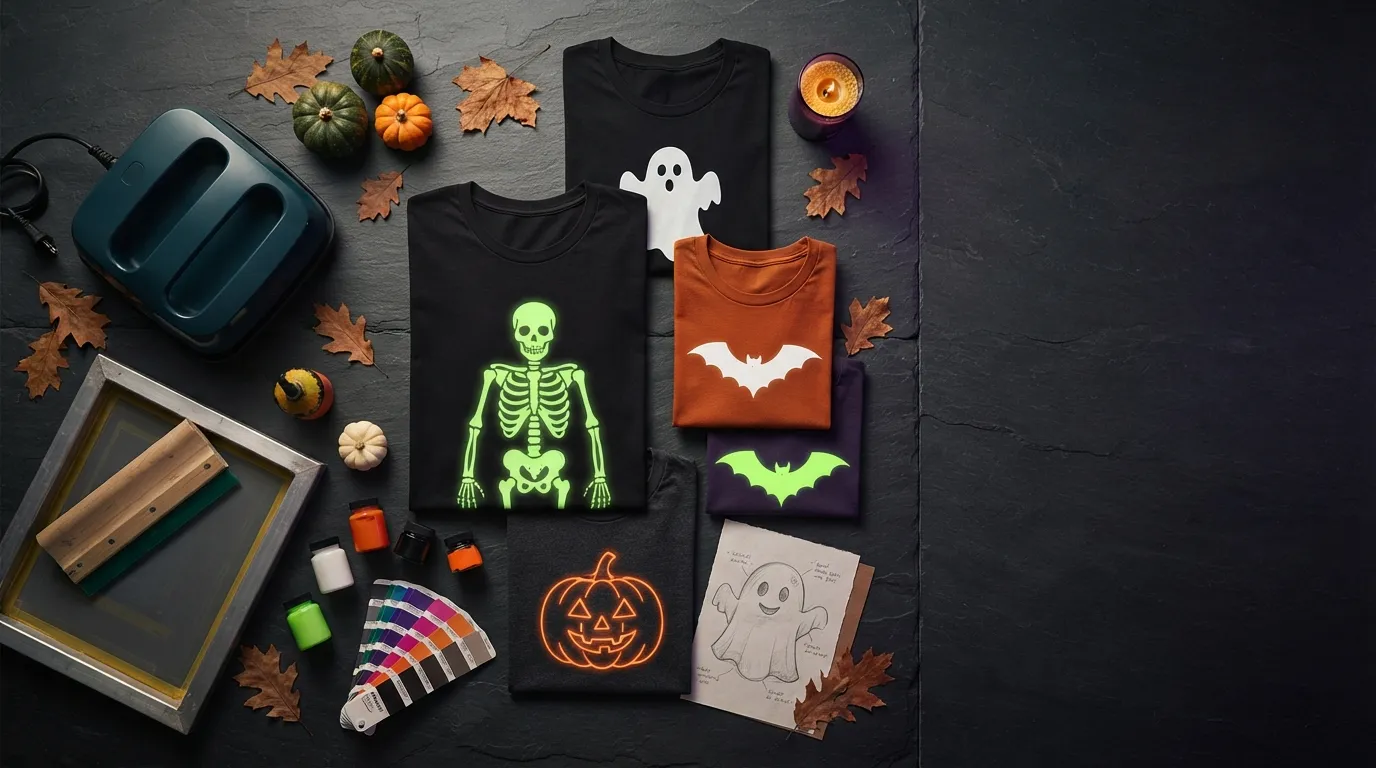
The process uses mesh screens to apply layers of ink directly onto the garment surface.
Best suited for:
- Promotional jackets
- Event apparel
- Teamwear
- Large logo applications
- High-volume orders
Why businesses choose screen printing
Screen printing delivers:
- Strong colour vibrancy
- Excellent scalability
- Cost efficiency at volume
- Durable results on suitable fabrics
It works particularly well for bold logos, simple graphics, and high-contrast branding.
Modern screen printing techniques have improved significantly in recent years, allowing for softer finishes and more premium visual outcomes than older traditional methods.
Things to consider
Not all jackets are ideal for screen printing. Waterproof coatings, textured fabrics, and insulated materials can affect print adhesion and durability.
Screen printing also becomes less economical for small orders with multiple colour variations.
For businesses exploring larger uniform or promotional campaigns, experienced providers offering custom jacket printing in Sydney can usually recommend whether screen printing is appropriate based on garment construction and intended usage.
Heat Transfer Printing: Flexible and Versatile for Smaller Runs
Heat transfer methods involve applying designs to garments using heat and pressure. This category includes vinyl transfers, digital transfers, and various hybrid technologies.
Best suited for:
- Small quantity orders
- Staff names and numbering
- Sports jackets
- Event-specific branding
- Fast turnaround projects
Why businesses choose heat transfer
Heat transfer offers strong flexibility for:
- Short production runs
- Individual personalisation
- Complex multi-colour graphics
- Variable data printing
It is commonly used where businesses need customisation across individual garments without large setup costs.
For example:
- Employee names
- Department identifiers
- Event roles
- Sponsor branding
- Limited-edition merchandise
Things to consider
Heat transfers vary enormously in quality depending on the material and production process used.
Lower-grade transfers may crack, peel, or fade over time — particularly on garments exposed to heavy washing or outdoor conditions.
Higher-end transfer technologies now produce significantly softer, more durable finishes, but supplier expertise becomes especially important when selecting materials and application methods.
Direct-to-Film (DTF): The Fast-Growing Modern Alternative
Direct-to-Film (DTF) printing has rapidly gained popularity across the garment industry due to its flexibility and ability to reproduce highly detailed designs.
The process prints designs onto a special film before transferring them onto the garment.
Best suited for:
- Detailed artwork
- Multi-colour branding
- Short-to-medium runs
- Fashion-inspired merchandise
- Complex promotional graphics
Why businesses are paying attention to DTF
DTF offers several advantages:
- High detail reproduction
- Strong colour accuracy
- Versatility across fabrics
- Lower setup requirements
- Efficient small-batch production
For businesses wanting modern retail-style graphics on branded apparel, DTF can provide strong visual results without the setup complexity of traditional screen printing.
Things to consider
While DTF technology has improved rapidly, long-term durability still depends heavily on production quality, garment choice, and correct application.
Not every supplier achieves the same outcome.
Businesses should prioritise experienced apparel decorators who understand how different jacket materials interact with various transfer technologies.
The Fabric of the Jacket Changes Everything
One of the biggest mistakes businesses make is selecting decoration methods before considering the jacket fabric itself.
Different materials respond differently to heat, stitching, and ink adhesion.
Common jacket materials include:
- Softshell
- Polyester
- Nylon
- Cotton blends
- Waterproof technical fabrics
- Fleece
- Canvas
- Puffer materials
Each fabric introduces different considerations around:
- Flexibility
- Breathability
- Waterproofing
- Surface texture
- Heat sensitivity
- Stretch
- Durability
For example:
- Waterproof jackets may not suit certain heat applications
- Lightweight nylon can pucker under embroidery
- Textured fleece affects print clarity
- Stretch fabrics require specialised techniques
This is where experienced apparel suppliers add significant value — helping businesses avoid decoration methods that may compromise garment performance or lifespan.
Branding Placement Is Just as Important as the Printing Method
Modern branded apparel trends are shifting toward cleaner, more wearable branding rather than oversized logos covering every visible surface.
Many businesses are now opting for:
- Minimal chest logos
- Tonal embroidery
- Sleeve branding
- Back neck placements
- Small premium details
- Subtle reflective elements
The goal is increasingly to create apparel employees genuinely want to wear — not simply uniforms they are required to wear.
This approach often improves:
- Staff adoption
- Brand perception
- Everyday usability
- Long-term wear frequency
Garment Printing works with businesses across Australia to balance visibility, practicality, and modern design principles when planning branded jacket programs.
How Businesses Can Make the Right Decision
Choosing the right printing method ultimately comes down to understanding five key factors:
1. Intended Use
Will the jackets be worn daily, occasionally, indoors, outdoors, or in harsh environments?
2. Garment Material
Different fabrics require different decoration approaches.
3. Branding Style
Does the brand suit minimalist embroidery or bold promotional graphics?
4. Budget and Order Size
Some methods become more cost-effective at scale, while others suit smaller personalised runs.
5. Longevity Expectations
How long do the garments realistically need to last?
The most successful branded apparel programs usually involve balancing all five considerations rather than focusing on price alone.
Final Thoughts
Custom jackets represent far more than simple branded apparel. When done well, they become part of a company’s identity, team culture, and customer experience.
Choosing the right printing method is essential to ensuring jackets not only look professional on day one but continue performing well over time.
Embroidery, screen printing, heat transfer, and DTF all have legitimate strengths — but the best outcome depends on aligning the decoration method with the garment, environment, and branding goals.
For businesses navigating these decisions, experienced providers like Garment Printing offer valuable guidance beyond simply applying logos to garments. Understanding apparel quality, decoration compatibility, branding strategy, and long-term wear performance is what separates average branded apparel from genuinely effective business uniforms and merchandise.
In a market where presentation, durability, and brand consistency matter more than ever, making informed decoration choices can have a lasting impact on how businesses are seen — both internally and externally.





















Sign in to leave a comment.