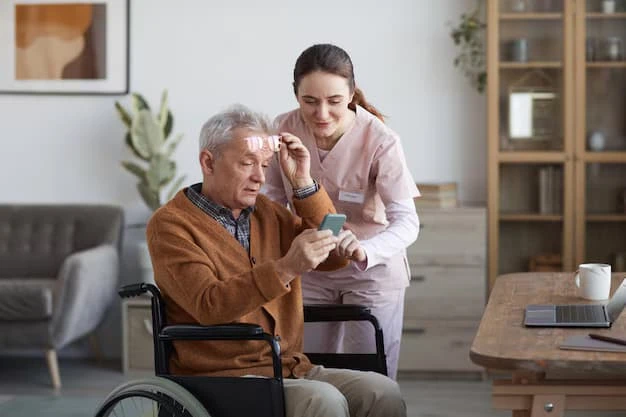

When it comes to supporting aging loved ones, families often explore the best ways to ensure comfort, safety, and dignity. One option that has become increasingly valued is choosing a personal care home environment. Unlike larger care centers, this type of in-home service allows individuals to receive assistance with daily needs while remaining in the comfort of a familiar and supportive setting. Understanding what a personal care home offers and what families should look for can help in making the right decision.
Understanding Personal Care Homes
A personal care home is designed to provide seniors or individuals with health challenges the support they need in a private, home-based environment. Instead of moving to a distant place, they continue living in a homelike setting while receiving personalized care. This option balances independence with professional assistance.
Focus on Daily Living Support
Personal care homes typically assist with essential activities such as bathing, grooming, dressing, meal preparation, and mobility. These tasks can become challenging for older adults, and consistent support ensures they maintain their quality of life.
Maintaining a Sense of Belonging
Remaining in a familiar environment promotes emotional well-being. It allows seniors to continue enjoying their routines, keeps them connected to cherished memories, and reduces stress or confusion often caused by significant changes in surroundings.
Key Considerations When Choosing a Personal Care Home
When families decide to explore this option, they should focus on several factors to ensure the right match for their loved one’s needs.
Personalized Care Plans
Each individual has unique requirements, and a strong personal care home provider creates a tailored plan. Whether it involves assistance with medication reminders, help with meals, or companionship, the plan should reflect the individual’s lifestyle and preferences.
Caregiver Training and Compassion
The caregivers who provide support in a personal care home should not only be trained but also compassionate. Families should ask about the caregiver’s experience, qualifications, and approach to handling daily routines. A balance of skill and empathy creates a nurturing environment.
Safety and Comfort Measures
Safety is one of the most important aspects of in-home care. From preventing falls to monitoring health needs, families should ensure that caregivers are attentive and proactive. Comfort is equally important, as seniors should feel respected and cared for at all times.
Benefits of a Personal Care Home
Choosing a personal care home comes with significant advantages that improve overall well-being for both seniors and their families.
Independence with Assistance
One of the biggest benefits is that seniors can enjoy independence while receiving help when needed. This balance supports dignity and self-worth.
Emotional Stability
Being able to live in a familiar place surrounded by personal belongings brings emotional security. Seniors often feel more at ease and experience less anxiety when they do not have to adjust to new and unfamiliar environments.
Family Peace of Mind
Families gain reassurance knowing that their loved ones are in good hands. With trained caregivers available, they no longer have to worry about daily tasks becoming overwhelming for their family members.
Questions Families Should Ask
Before selecting a personal care home provider, families can prepare by asking thoughtful questions.
What Services Are Included?
Clarifying what support will be provided helps families understand the scope of care. From meal preparation to companionship, knowing the full range of services ensures expectations are clear.
How Are Care Plans Updated?
Needs can change over time, and it is important to know how often care plans are reviewed and adjusted. A provider that adapts to evolving requirements ensures long-term support.
How Is Communication Handled?
Families should feel connected to the process. Asking about communication methods and updates from caregivers ensures everyone remains informed and involved in the loved one’s care.
Choosing the Right Fit
Every family wants the best for their loved one. Selecting the right personal care home means considering practical needs, emotional well-being, and family involvement. By doing research, asking the right questions, and focusing on compassion as much as skill, families can make a confident decision.
Conclusion
A personal care home provides seniors with the opportunity to remain in a safe and familiar environment while receiving the support they need for daily living. It allows families to feel secure in the knowledge that their loved ones are cared for with respect and compassion. For those seeking trusted in-home support, Full Bloom Memory Care offers personalized solutions designed to promote comfort, independence, and dignity. Families are encouraged to connect today and discover how compassionate in-home care can make a meaningful difference.




























Sign in to leave a comment.