

When a loved one begins to experience the challenges of dementia, families often seek care solutions that maintain comfort, familiarity, and emotional well-being. For many, in home dementia care provides the perfect balance between professional support and the reassurance of staying in a cherished home environment. This personalized care approach focuses on preserving independence, enhancing safety, and promoting a meaningful quality of life for individuals living with memory loss.
In-home dementia care allows seniors to remain in the surroundings they know and love while receiving professional, compassionate support tailored to their unique needs. Understanding what makes this form of care effective helps families make confident, informed decisions for their loved ones.
Understanding In Home Dementia Care
What is in home dementia care?
In-home dementia care is a specialized service that supports individuals with dementia in their own homes. Unlike traditional elder care, this approach goes beyond assisting with daily tasks—it focuses on maintaining a familiar environment that fosters comfort and reduces confusion.
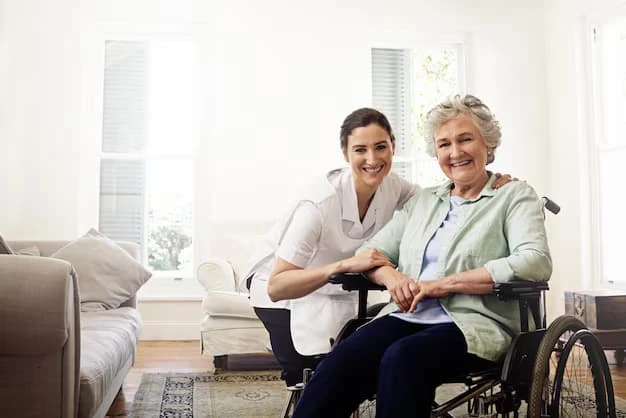
Caregivers trained in dementia care provide a combination of emotional companionship, physical assistance, and cognitive engagement. This helps clients stay safe, calm, and connected while continuing to live independently for as long as possible.
Why home matters in dementia care
The home setting plays a significant role in supporting memory and emotional stability. Familiar spaces, personal belongings, and established routines help reduce anxiety and confusion, which are common in dementia. Remaining in a recognizable environment can also enhance confidence and encourage participation in daily activities.
The Core Principles of Personalized Dementia Care
Individualized attention and understanding
Every person’s experience with dementia is different. Effective in-home dementia care begins with a deep understanding of the individual’s personality, history, and preferences. Caregivers create routines and strategies that align with the person’s habits, ensuring care feels natural rather than intrusive.
For example, some individuals may respond positively to music, while others may find comfort in storytelling or gentle conversation. The key is to tailor the approach to the senior’s unique rhythm of life.
Respect for dignity and independence
Preserving dignity is central to compassionate care. In-home caregivers assist with personal tasks such as dressing, bathing, and meal preparation while encouraging seniors to participate as much as possible. The goal is not to take over but to empower them to remain active in their daily routines.
This respectful approach helps maintain self-esteem and promotes a sense of control, which can significantly enhance emotional well-being.
Daily Support that Makes a Difference
Assistance with personal care and household tasks
In-home caregivers provide gentle help with daily needs such as grooming, toileting, mobility, and eating. They also assist with light housekeeping, laundry, and meal preparation to ensure a clean, organized, and comfortable living environment.
This consistent support allows seniors to live safely and comfortably while reducing the stress and workload on family members.
Medication reminders and health monitoring
Proper medication management is vital for individuals living with dementia. Caregivers ensure that medications are taken as prescribed, helping prevent missed doses or confusion. They also monitor changes in behavior, appetite, or health and communicate these observations to families or healthcare providers when needed.
Encouraging engagement and activity
A structured routine filled with stimulating and enjoyable activities is a cornerstone of quality dementia care. Caregivers encourage involvement in meaningful activities such as puzzles, music therapy, light exercise, or reminiscing about cherished memories.
These activities help maintain cognitive function, reduce agitation, and foster a sense of joy and accomplishment.
Building Emotional Connection and Companionship
The importance of emotional support
Dementia not only affects memory but can also bring feelings of loneliness, anxiety, or frustration. Compassionate caregivers provide companionship and emotional reassurance, helping seniors feel valued and understood.
Simple conversations, shared laughter, and kind gestures can make a significant difference in a person’s emotional well-being. The presence of a familiar caregiver also provides a sense of stability that reduces confusion and fear.
Supporting meaningful relationships
In-home dementia care strengthens family connections by allowing loved ones to spend quality time together without the constant strain of full-time caregiving. Caregivers act as partners, supporting both the senior and the family by offering guidance, relief, and encouragement.
This shared approach fosters harmony and reduces caregiver burnout while ensuring the senior receives attentive and loving care.
Promoting Safety and Comfort at Home
Creating a secure home environment
A safe and comfortable home setting is essential for individuals with dementia. Caregivers often assess the living space and recommend small adjustments such as improved lighting, clear walkways, or labeling common items to make navigation easier.
These thoughtful changes can prevent falls and confusion, helping the senior feel more confident moving around their home.
Responding to behavioral changes
Memory loss can sometimes lead to changes in mood or behavior. Skilled caregivers are trained to respond calmly and effectively to situations involving agitation, wandering, or confusion. They use gentle redirection and reassurance to ease distress and maintain a peaceful atmosphere.
This compassionate approach helps prevent frustration and builds a sense of security for both the senior and their family members.
The Role of Family in In Home Dementia Care
Collaboration between caregivers and families
Family involvement is essential in creating a successful care plan. In-home dementia care providers typically work closely with families to understand the loved one’s preferences, routines, and triggers. Open communication ensures that care remains consistent and aligned with the senior’s values.
Caregivers also keep families updated about the senior’s daily progress, mood, and well-being, fostering transparency and trust.
Supporting family caregivers
Caring for someone with dementia can be emotionally demanding. In-home care services provide families with much-needed respite, allowing them to rest, manage personal responsibilities, or simply enjoy moments of connection with their loved one without stress.
This balance of professional support and family involvement helps maintain harmony and strengthens the overall caregiving experience.
The Benefits of In Home Dementia Care
Comfort and familiarity
Remaining in a known environment reduces anxiety and enhances emotional stability. Familiar surroundings, personal mementos, and established routines help individuals with dementia feel safe and grounded.
Personalized attention
Since in-home dementia care is one-on-one, the caregiver can focus entirely on the senior’s needs, adapting to their mood and abilities throughout the day. This individualized care promotes meaningful interaction and ensures no detail is overlooked.
Enhanced quality of life
In-home dementia care goes beyond basic support by nurturing emotional, mental, and physical well-being. Seniors benefit from consistent routines, compassionate companionship, and activities that bring joy and purpose.
Peace of mind for families
Families gain confidence knowing their loved one is receiving attentive, professional care at home. The reassurance that the senior is safe, comfortable, and emotionally supported brings comfort and peace to everyone involved.
Choosing the Right In Home Dementia Care Provider
Selecting the right caregiver is a crucial step. Families should look for care professionals who are trained in dementia support, empathetic in nature, and skilled in creating a calm and engaging environment. Asking about care plans, communication methods, and flexibility can help determine if the service meets the family’s expectations.
The best in-home dementia care services value compassion as much as expertise, ensuring that seniors receive care that honors their individuality and preserves their dignity every day.
Conclusion
Caring for a loved one with dementia requires understanding, patience, and a personalized approach that nurtures both mind and spirit. In home dementia care provides a meaningful way to support seniors in a place they know and love while ensuring their safety, comfort, and emotional well-being.
Full Bloom Memory Care is dedicated to helping families find peace of mind through compassionate, personalized support that enhances the lives of those living with dementia. Families seeking professional and heart-centered care can rely on Full Bloom Memory Care to provide expert guidance and comforting in-home assistance tailored to every individual’s needs.





























Sign in to leave a comment.