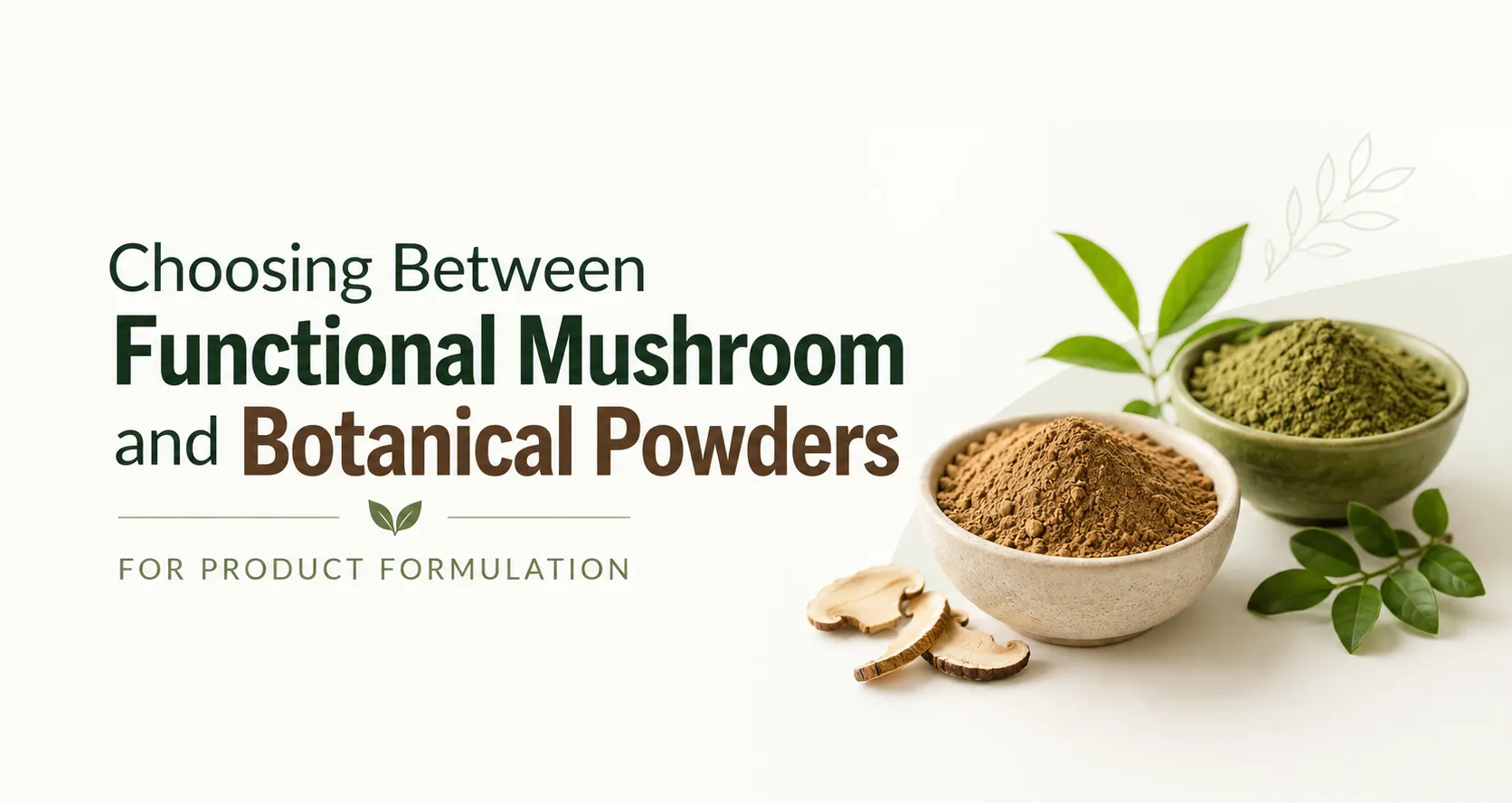

The U.S. food and beverage industry continues to evolve as manufacturers respond to growing demand for clean-label, plant-based, and premium ingredients. Product developers are increasingly incorporating natural powders into innovative formulations ranging from ready-to-mix beverages and nutrition products to snack foods and powdered blends. Among the most popular ingredient categories are functional mushroom powders and botanical powders.
While both categories are plant-derived (or naturally sourced) ingredients that support clean-label product development, they differ in sensory characteristics, processing behavior, sourcing considerations, and formulation requirements. Selecting the right ingredient is not simply a marketing decision—it is a formulation decision that affects manufacturing efficiency, product stability, and overall product quality.
For formulators, R&D professionals, and procurement teams, understanding these differences can help streamline product development and sourcing strategies.
Understanding Functional Mushroom Powders
Functional mushroom powders are produced from carefully processed mushrooms and are increasingly being incorporated into food and beverage formulations.
Popular examples include:
- Organic Lion's Mane Mushroom Powder
- Organic Reishi Mushroom Powder
- Organic Cordyceps Mushroom Powder
- Organic Chaga Mushroom Powder
These ingredients are commonly found in:
- Mushroom coffee blends
- Instant beverage mixes
- Protein powders
- Powdered nutrition products
- Plant-based beverages
- Snack formulations
Because mushroom powders have distinctive earthy flavor profiles and naturally darker colors, formulators typically consider their sensory impact early in the product development process.
What Are Botanical Powders?
Botanical powders are derived from various parts of plants, including roots, herbs, leaves, flowers, and fruits. They offer a broad range of formulation possibilities due to their diversity in color, flavor, texture, and functionality.
Examples include:
- Organic Rhodiola Rosea Powder
- Organic Ashwagandha Powder
- Organic Ginger Powder
- Organic Beet Root Powder
- Organic Turmeric Powder
- Organic Moringa Powder
These ingredients are frequently used in:
- Functional beverage mixes
- Gummies
- Capsules
- Powdered drink blends
- Nutrition products
- Functional snack applications
The wide variety of botanical ingredients allows manufacturers to create differentiated formulations tailored to specific product concepts and target markets.
Comparing Functional Mushroom and Botanical Powders
Although both ingredient categories contribute to clean-label formulations, they possess distinct formulation characteristics.
| Feature | Functional Mushroom Powders | Botanical Powders |
|---|---|---|
| Source | Mushroom fruiting bodies or related materials | Roots, herbs, leaves, flowers, or fruits |
| Flavor | Earthy, woody, umami | Mild, herbal, spicy, or naturally sweet depending on the ingredient |
| Color | Typically light to dark brown | Wide range of natural colors |
| Product Variety | Limited number of commonly used species | Extensive range of botanical ingredients |
| Common Applications | Coffee blends, beverage powders, nutrition mixes | Beverage mixes, gummies, capsules, snacks, functional foods |
Rather than viewing one category as superior, manufacturers should evaluate which ingredient best aligns with the intended product format and processing requirements.
Key Formulation Considerations
Choosing an ingredient category involves much more than selecting an appealing label claim. Several technical factors influence formulation success.
Flavor Compatibility
Flavor is often one of the first challenges during product development.
Functional mushroom powders typically contribute earthy and robust flavor notes that may require complementary ingredients such as cocoa, coffee, vanilla, or spices to create balanced formulations.
Botanical powders vary considerably. Some have mild flavor profiles, while others can introduce herbal, bitter, spicy, or naturally sweet characteristics. Evaluating flavor interactions early helps reduce reformulation later in development.
Particle Size and Blend Uniformity
Particle size influences:
- Mixing efficiency
- Powder flow
- Capsule filling
- Tablet compression
- Finished product consistency
Whether working with mushroom or botanical powders, consistent particle size helps improve manufacturing performance and reduces variability during large-scale production.
Solubility and Dispersion
Neither functional mushroom powders nor many botanical powders are highly water-soluble ingredients.
Instead, formulators often evaluate how well the powders disperse within the intended application.
Products such as:
- Instant beverage powders
- Smoothie mixes
- Ready-to-mix drink sachets
may require additional formulation strategies to achieve consistent dispersion and consumer-friendly texture.
Product Format Should Guide Ingredient Selection
The intended product application often determines whether mushroom powders, botanical powders, or a combination of both offers the best fit.
Functional mushroom powders are commonly selected for:
- Mushroom coffee
- Powdered beverage blends
- Plant-based drink mixes
- Nutrition powders
Botanical powders are frequently incorporated into:
- Gummies
- Herbal beverage mixes
- Functional snack products
- Capsules
- Powdered nutritional formulations
Many manufacturers now combine both categories within multi-ingredient formulations to create unique product offerings while maintaining clean-label positioning.
Sourcing Considerations for Procurement Teams
Ingredient quality extends beyond the raw material itself.
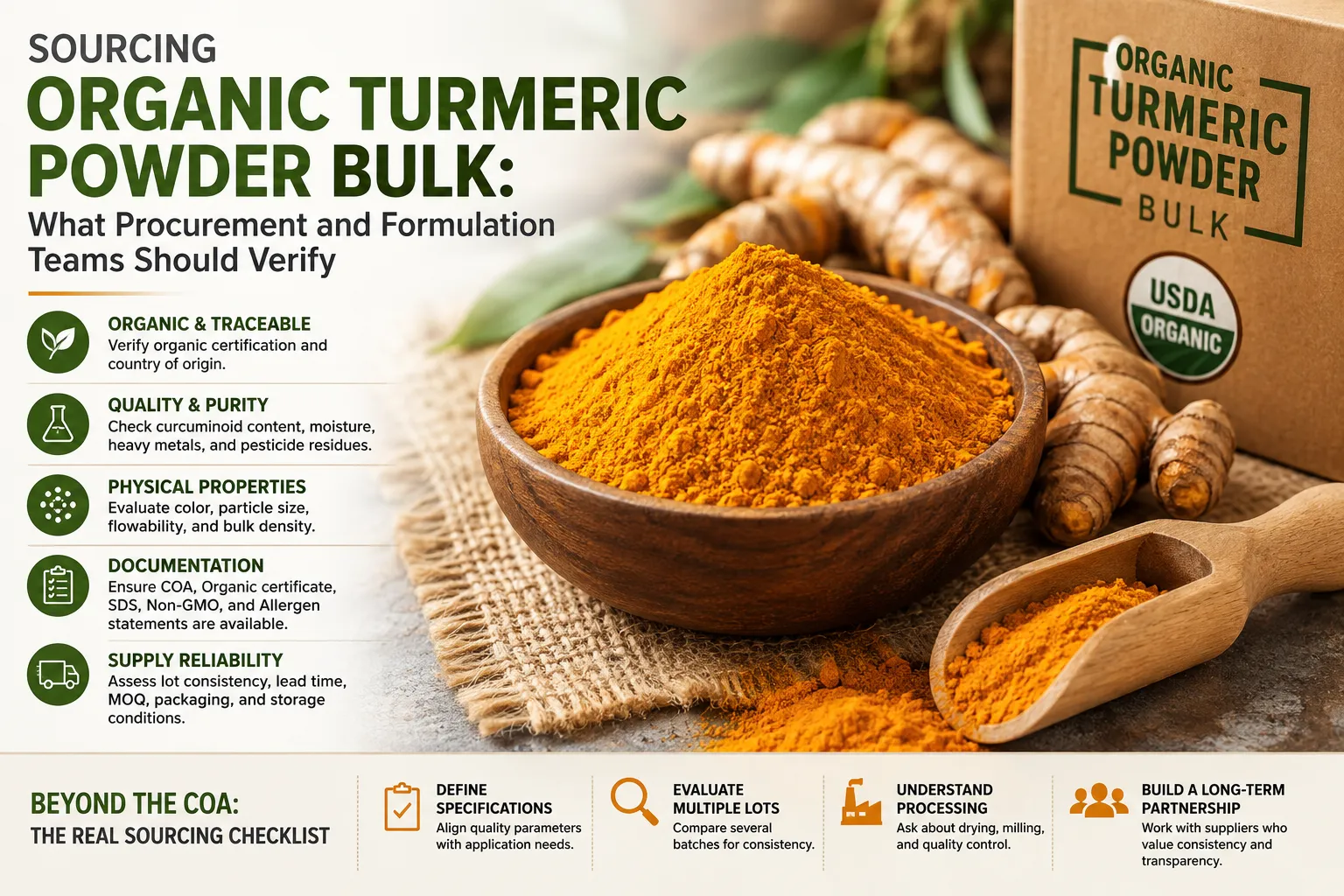
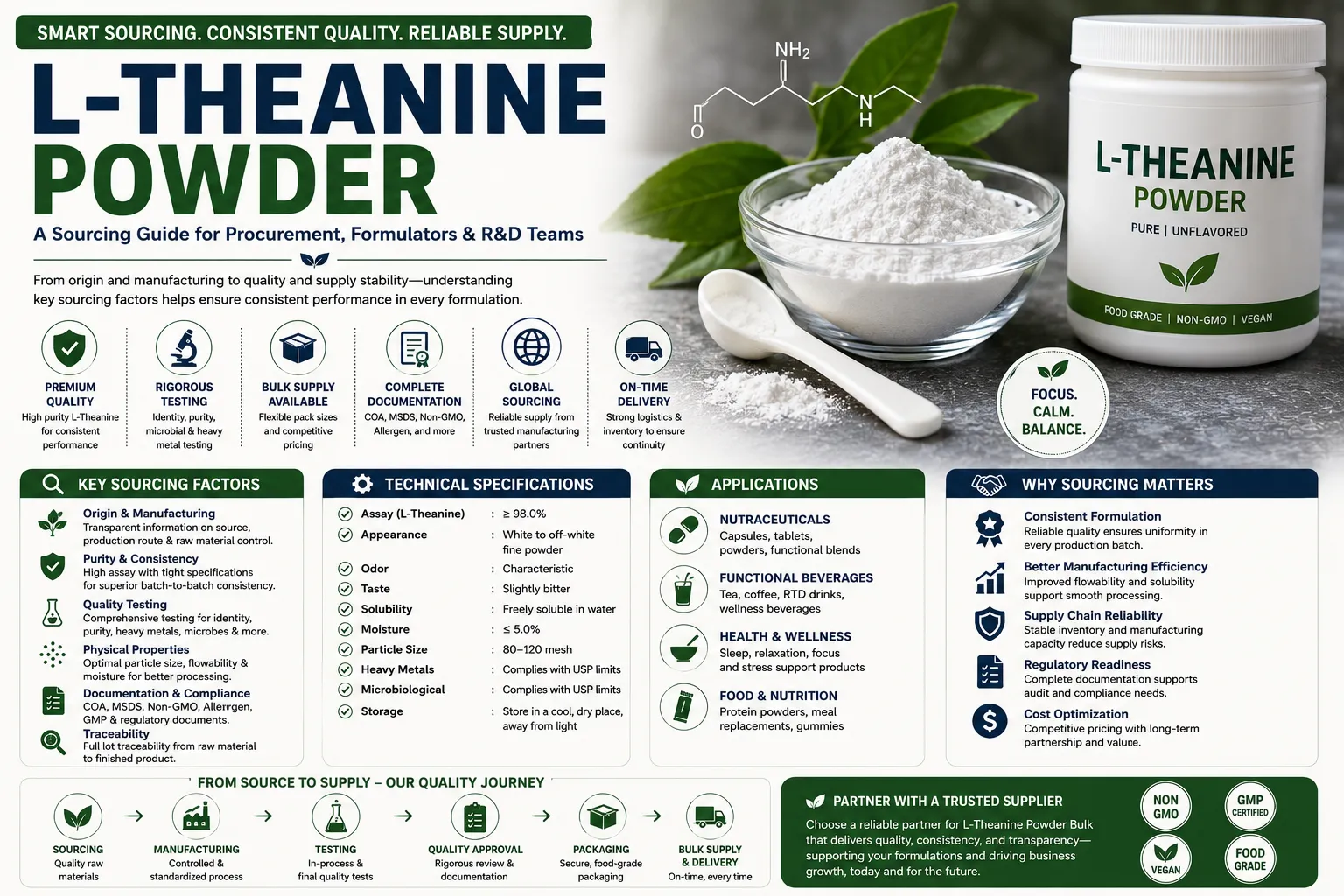
Procurement professionals should evaluate suppliers based on:
- Organic certification
- Batch-to-batch consistency
- Certificate of Analysis (COA)
- Identity testing
- Heavy metal and microbiological testing
- Allergen documentation
- Country of origin transparency
- Reliable inventory availability
A dependable supplier can help minimize production delays and support consistent manufacturing outcomes throughout the product lifecycle.
Manufacturing Scalability Matters
An ingredient that performs well during laboratory development may behave differently during commercial-scale manufacturing.
As production volumes increase, formulators often reassess:
- Mixing performance
- Powder flow
- Equipment compatibility
- Filling consistency
- Moisture control
- Packaging requirements
Conducting pilot-scale production trials helps identify potential processing adjustments before full-scale commercialization.
Can Functional Mushroom and Botanical Powders Be Used Together?
Increasingly, yes.
Many product developers are combining functional mushroom powders with botanical ingredients to create more diverse formulations. For example, mushroom powders may be paired with botanicals such as ginger, beet root, turmeric, or rhodiola in beverage blends and powdered nutrition products.
When developing multi-ingredient formulations, manufacturers typically evaluate:
- Flavor balance
- Color consistency
- Particle compatibility
- Moisture management
- Manufacturing efficiency
- Finished product stability
Testing these factors during prototype development can help reduce formulation revisions and improve production readiness.
Final Thoughts
Choosing between functional mushroom powders and botanical powders is not about identifying a universally better ingredient category. Instead, the decision depends on the formulation's intended application, sensory profile, manufacturing process, and sourcing requirements.
Functional mushroom powders offer distinctive characteristics that suit products such as mushroom coffee, powdered beverages, and nutrition blends. Botanical powders provide a broader range of flavors, colors, and ingredient options that support diverse food and beverage innovations.
For U.S. food and beverage manufacturers, the most successful formulations begin with a clear understanding of ingredient compatibility, processing behavior, and supplier reliability. By evaluating these factors early, formulators and procurement teams can develop products that are easier to manufacture, maintain consistent quality, and align with today's clean-label product development goals.




























Sign in to leave a comment.