

The Decision Isn't About Finding the "Best" Center-It's About Finding the Right Fit
Every parent wants the same thing: a place where their child feels understood, supported, and encouraged to grow. Yet when developmental concerns arise, choosing the right support can feel overwhelming. A quick online search often returns dozens of centers, each promising expert care, experienced therapists, and personalized programs. But how do you know which one truly matches your child's needs?
The answer lies in asking better questions-not just comparing facilities or reading reviews.
A child development center becomes part of your family's journey. The quality of its assessments, the expertise of its professionals, and the way it involves parents can shape your child's learning experience for years to come. This guide highlights the questions every parent should ask before making this important decision.
Start With the Philosophy, Not the Facilities
Modern therapy rooms, colorful walls, and attractive play areas create a welcoming first impression. However, the real value of a center lies in its approach to child development.
During your first conversation, ask:
- How do you assess a child's strengths and challenges?
- Are therapy goals personalized?
- How do you measure progress?
- How are parents involved in decision-making?
A center that prioritizes individualized care will focus on understanding your child before recommending any intervention.
Is the Assessment Comprehensive?
A thorough developmental assessment should never be rushed.
Rather than focusing on one concern, professionals should evaluate how different areas of development work together.
A quality assessment typically explores:
| Area of Development | Why It Matters |
| Communication | Understanding and expressing ideas effectively |
| Motor Skills | Supporting movement, coordination, and independence |
| Learning Abilities | Identifying strengths and educational needs |
| Social Development | Building relationships and confidence |
| Emotional Well-being | Understanding emotional responses and behavior |
| Daily Living Skills | Encouraging independence in everyday activities |
This broader perspective helps create a plan that supports the whole child rather than addressing isolated challenges.
Does the Center Build Individualized Plans?
No two children learn in exactly the same way.
One child may need support with communication, while another benefits from help with sensory processing, emotional regulation, or classroom readiness.
An effective intervention plan should answer three questions:
- What can the child already do confidently?
- Which skills need additional support?
- How will progress be measured over time?
When therapy is built around these questions, every recommendation becomes purposeful and achievable.
Ask How Different Specialists Work Together
Child development rarely depends on one area alone.
Speech, behavior, learning, sensory processing, and emotional regulation often influence one another.
Many families searching for a trusted child development center Jaipur choose multidisciplinary care because professionals collaborate instead of working independently. Occupational therapists, speech-language therapists, psychologists, special educators, and developmental professionals share observations, coordinate goals, and adjust intervention plans together. This integrated approach creates greater consistency across therapy sessions, school environments, and home routines.
Collaboration often produces more meaningful progress than isolated services.
Look Beyond Therapy Sessions
Effective child development centers understand that learning continues long after a therapy session ends.
Ask whether parents receive:
- Home activity recommendations
- Progress discussions
- Practical communication strategies
- Guidance for school collaboration
- Regular goal reviews
The strongest programs treat parents as active partners rather than occasional observers.
When families understand how to reinforce learning at home, children benefit from consistent support every day.
Is the Environment Designed for Children?
Children learn best when they feel emotionally safe.
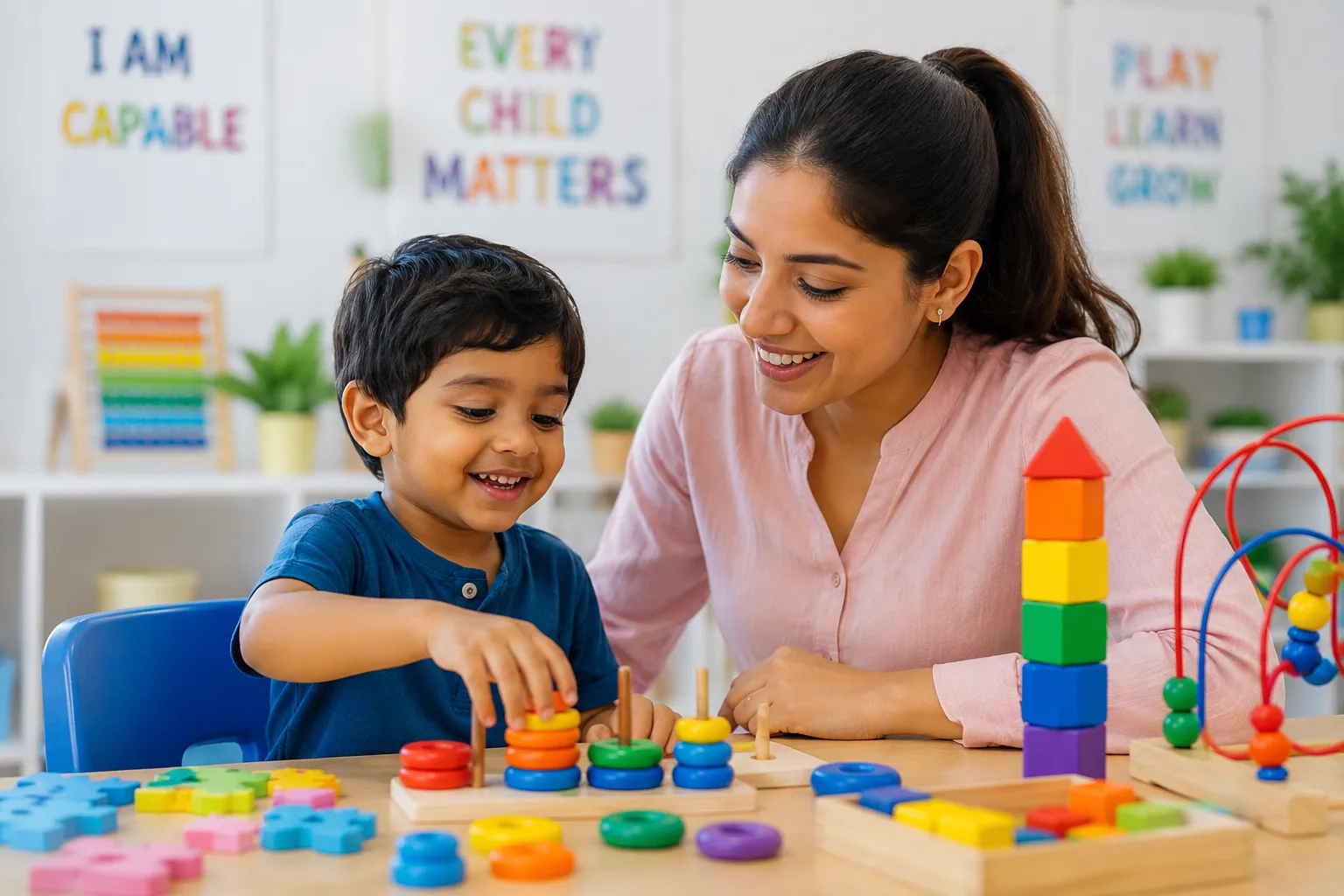
Observe how professionals interact with children during your visit.
Notice whether they:
- Speak calmly and respectfully
- Follow the child's interests
- Encourage exploration
- Celebrate small successes
- Adapt activities when needed
These everyday interactions often reveal more about the quality of care than brochures or advertisements.
Education Should Be Part of the Bigger Picture
Development does not happen only during therapy sessions.
Children spend a significant portion of their time in educational environments, making school readiness an important part of overall progress.
Programs that include Special Education in Jaipur provide individualized teaching strategies that adapt to each child's learning profile. Instead of expecting children to fit a standard curriculum, educators modify instruction to encourage participation, communication, attention, and academic confidence.
Educational support becomes most effective when it aligns with therapy goals.
Understanding the Value of Specialized Services
Every child has unique developmental priorities.
Some children may benefit from speech therapy, while others require occupational therapy, behavioral intervention, or autism-specific support.
When appropriate, an experienced autism therapy centre can provide structured, evidence-based intervention that strengthens communication, social interaction, adaptive behavior, and independence through individualized programs tailored to each child's developmental profile.
Having access to multiple services within one coordinated system often improves continuity of care.
Emotional Support Is an Essential Part of Development
Developmental progress is closely connected to emotional well-being.
Children who experience learning or communication challenges may also struggle with frustration, anxiety, or low confidence.
Access to Child Psychological Counselling in Jaipur helps children develop emotional regulation, coping strategies, resilience, and positive social skills while also providing parents with guidance to better understand and support their child's emotional needs.
Supporting emotional health creates stronger foundations for long-term learning.
Questions Worth Writing Down Before Your Visit
Instead of relying on memory during appointments, prepare a simple checklist.
Ask questions such as:
- How is progress monitored?
- How often are therapy goals updated?
- How are parents included?
- What evidence-based approaches are used?
- How does the team communicate with schools?
- Are therapy plans adjusted as children grow?
- How are developmental strengths incorporated into intervention?
Clear answers demonstrate transparency and a child-centered approach.
The Right Choice Feels Like a Partnership
Choosing a child development center is not simply selecting a service provider. It is beginning a long-term partnership focused on helping your child learn, communicate, and thrive.
The right center will take time to understand your child's individuality, explain recommendations clearly, involve your family in every stage of the process, and celebrate meaningful progress instead of comparing developmental timelines.
Every milestone-whether it is speaking a new word, completing a classroom task independently, managing emotions more effectively, or building new friendships-represents a meaningful step forward.
When parents ask thoughtful questions and choose evidence-based, family-centered care, they create opportunities for lasting growth. More than anything else, the right child development center offers something every family hopes for: confidence that their child is supported with compassion, expertise, and a plan designed specifically for them.




























Sign in to leave a comment.