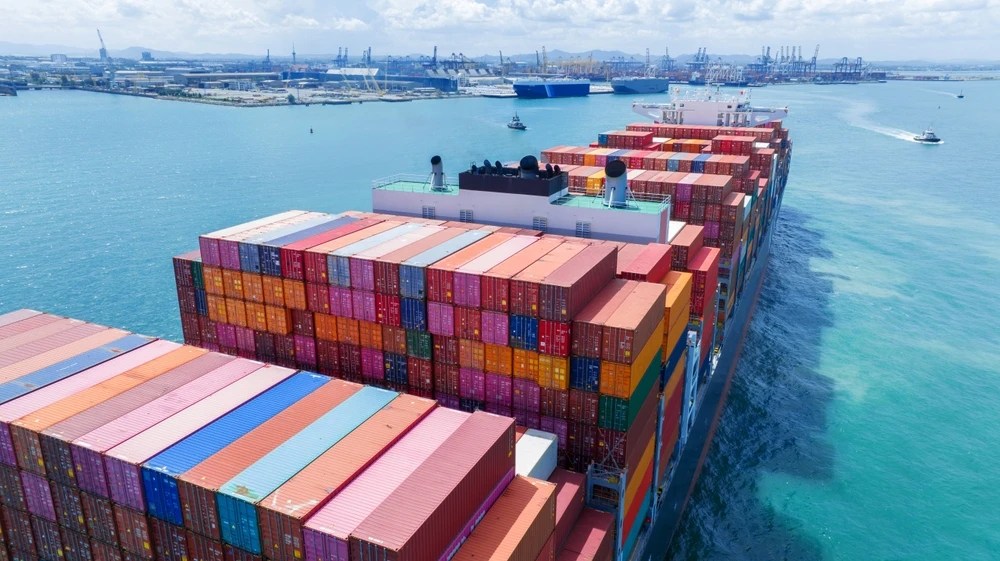

Cross-border trade looks smooth on paper. Goods move. Documents clear. Payments settle. In reality, it is rarely that simple.
Behind every successful shipment sits a network of coordination. Customs filings. Carrier schedules. Regulatory checks. Insurance layers. A missed document can hold a container at the port for days. A classification error can trigger penalties. Timing, in international trade, is not a preference. It is survival.
That is why choosing the right freight forwarders in USA matters more than many businesses initially realize. The forwarder is not just a booking agent. They become your operational partner in a system where small missteps create large consequences.
Let us walk through what reliability truly means in cross-border logistics, and how to identify it before problems arise.
Understanding the Role of a Freight Forwarder
A freight forwarder coordinates the movement of goods between countries. They arrange transport, manage documentation, liaise with customs brokers, and handle carrier negotiations.
However, there is a difference between basic coordination and strategic oversight.
Reliable freight forwarding in USA goes beyond booking cargo space. It anticipates regulatory challenges, manages risk exposure, and aligns shipment planning with trade compliance rules.
In cross-border operations, especially between the US, Canada, and Mexico, even minor documentation inconsistencies can delay clearance. A competent forwarder prevents that friction before it appears.
Why Reliability Is Non-Negotiable in Cross-Border Trade
Domestic shipping can absorb minor delays. International shipments rarely can.
When goods cross borders, businesses face:
- Customs inspections
- Tariff classifications
- Security filings
- Import quotas
- Trade agreement documentation
- Port congestion variables
A reliable forwarder anticipates these layers. An inexperienced one reacts after the problem emerges.
That difference shapes delivery timelines and financial impact.
Key Criteria for Selecting a Forwarder
Not all freight forwarders in the US operate with the same level of expertise. Evaluation should move beyond pricing.
1. Regulatory Knowledge
Cross-border compliance requires deep familiarity with:
- Harmonized tariff codes
- Trade agreement documentation
- Import and export licensing
- Security filings such as ISF
- Border documentation timing
Ask how the forwarder manages classification errors or customs disputes. Vague answers are warning signs.
2. Carrier Network Strength
A forwarder’s value is often tied to their carrier relationships.
| Evaluation Factor | Why It Matters |
| Ocean Carrier Contracts | Determines space availability during peak seasons |
| Air Freight Partnerships | Critical for urgent shipments |
| Cross-Border Trucking Network | Ensures seamless inland transfer |
| Port Representation | Supports faster local resolution |
A forwarder with strong carrier leverage can secure space during supply chain disruptions.
3. Technology and Visibility
Shipment tracking is no longer optional. Clients expect visibility.
Look for systems that provide:
- Real-time cargo updates
- Document access portals
- Automated compliance alerts
- Exception notifications
Transparency reduces uncertainty. It also builds accountability.
4. Risk Management Capabilities
International shipping carries inherent risks. Weather disruptions. Labor strikes. Regulatory inspections.
An experienced international logistics company develops contingency routes and alternative carrier options before disruption occurs.
Ask potential forwarders how they handle:
- Port congestion
- Delayed customs clearance
- Documentation errors
- Cargo damage claims
Preparedness often separates dependable partners from transactional agents.
Questions Businesses Should Ask
A short conversation can reveal a great deal.
Consider asking:
- How do you manage cross-border documentation accuracy?
- What is your average customs clearance time?
- Do you offer cargo insurance advisory?
- How do you respond to shipment delays?
- Can you provide case examples of resolving compliance challenges?
Specific answers signal operational maturity.
Red Flags to Avoid
Reliability is sometimes easier to identify by what is missing.
Watch for:
- Overpromising transit times without documentation clarity
- Unclear communication channels
- Lack of digital visibility tools
- Limited cross-border specialization
- Inconsistent response times
In cross-border trade, silence can be costly.
The Cost Factor: Beyond Freight Rates
Businesses often prioritize freight rates. Understandably so. However, the cheapest rate can become expensive if delays or penalties occur.
Evaluate total cost exposure:
- Demurrage fees
- Customs penalties
- Storage charges
- Missed delivery penalties
- Production downtime
Reliable forwarders focus on risk reduction as much as cost efficiency.
Strategic Partnership vs Transactional Service
Cross-border trade benefits from continuity. A forwarder who understands your cargo profile, compliance requirements, and seasonal patterns becomes more effective over time.
Look for:
- Dedicated account managers
- Proactive shipment planning meetings
- Forecast coordination
- Regulatory update briefings
This level of engagement reflects a long-term mindset.
The Cross-Border Advantage of Experience
Forwarders who regularly handle North American trade corridors understand border rhythms. They know when inspections are common. They understand seasonal traffic spikes.
That insight saves time. Often quietly.
An experienced partner aligns the routing strategy with customs processing patterns. It is subtle, but valuable.
Final Thoughts
Selecting dependable freight forwarders in USA for cross-border trade is not simply about transportation. It is about compliance control, operational predictability, and risk mitigation.
A forwarder becomes an extension of your supply chain. Their planning influences your delivery reliability, your customer satisfaction, and sometimes even your brand reputation.
Organizations such as Progressive Cargo approach cross-border coordination with structured planning and regulatory awareness, operating as a comprehensive logistics service provider rather than a transactional intermediary.
In international trade, cargo does not move on momentum alone. It moves on to preparation. Choose the partner who understands that.


























Sign in to leave a comment.