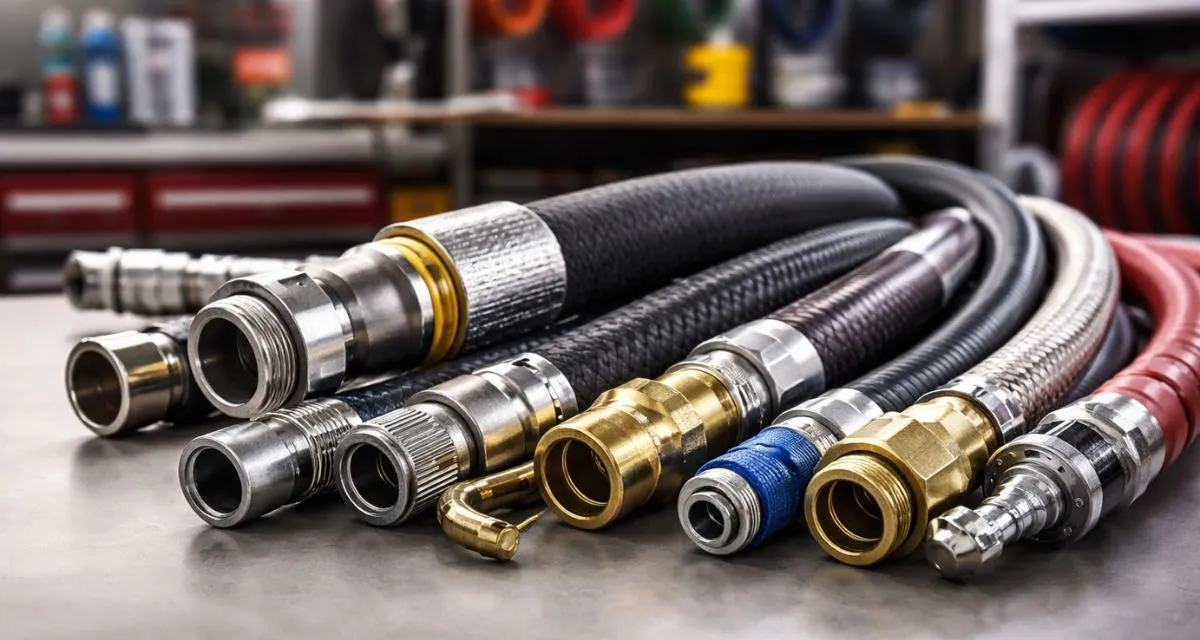

Automotive workshops rely on efficient fluid handling systems to perform routine maintenance, repairs, and lubrication services. From dispensing engine oil and transmission fluid to transferring grease and coolant, every component in the system contributes to smooth, reliable operation. Among these components, the hose assembly is one of the most important, ensuring fluids are delivered safely and efficiently from pumps to dispensing equipment.
Selecting the right hose assembly is essential for maintaining productivity, reducing downtime, and improving workplace safety. By investing in a high-quality hose assembly, automotive workshops can enhance equipment performance and provide consistent service to their customers.
Why Hose Assemblies Matter in Automotive Workshops
A hose assembly is more than just a flexible tube. It consists of a hose, fittings, connectors, and sometimes protective coverings that work together to transfer fluids under pressure. Since workshops handle multiple types of lubricants and automotive fluids every day, hose assemblies must be durable, reliable, and compatible with the intended application.
A well-designed hose assembly helps maintain steady fluid flow, minimizes leaks, and supports efficient maintenance operations.
Consider the Type of Fluid Being Transferred
One of the first factors to consider is the type of fluid the hose assembly will handle. Automotive workshops commonly work with:
- Engine oil
- Transmission fluid
- Hydraulic oil
- Grease
- Coolant
- Diesel
- DEF (Diesel Exhaust Fluid)
Different hose materials are designed for different fluids. Choosing a compatible hose helps prevent chemical damage, contamination, and premature wear.
Evaluate Pressure Requirements
Every fluid transfer system operates within a specific pressure range. Using a hose assembly with an insufficient pressure rating can lead to leaks, bursts, or equipment failure.
Before selecting a hose assembly, determine the maximum operating pressure of the dispensing system. Choosing a hose with an appropriate safety margin ensures reliable performance under demanding conditions.
Select Durable Materials
Automotive workshops expose hose assemblies to constant movement, oil, grease, heat, and abrasive environments. Durable materials improve the lifespan of the hose while reducing maintenance costs.
Look for hose assemblies that offer:
- Abrasion resistance
- Corrosion-resistant fittings
- Reinforced construction
- Flexibility for daily use
- Resistance to automotive chemicals
Quality materials contribute to dependable long-term performance.
Choose the Correct Hose Length
The right hose length improves both efficiency and safety. A hose that is too short may restrict movement, while one that is too long can become tangled and create workplace hazards.
Measure the distance between the pump and dispensing point to select an appropriate hose length that allows technicians to work comfortably without unnecessary slack.
Ensure High-Quality Fittings and Connections
The performance of a hose assembly depends not only on the hose itself but also on the quality of its fittings and connectors. Poorly manufactured fittings can cause leaks, pressure loss, and equipment downtime.
Precision-engineered fittings provide secure, leak-resistant connections that help maintain consistent fluid flow throughout the dispensing system.
Prioritize Flexibility and Ease of Handling
Technicians frequently move hoses around vehicles and equipment during servicing. Flexible hose assemblies are easier to position, reducing operator fatigue and improving workflow efficiency.
Flexible designs also reduce stress on fittings and connectors, helping extend the service life of the entire assembly.
Think About Workplace Safety
Safety should always be a priority when selecting workshop equipment. Damaged or poorly designed hose assemblies can lead to spills, leaks, and pressure-related accidents.
Using high-quality hose assemblies helps maintain safer working conditions by providing reliable fluid transfer and reducing the likelihood of equipment failures.
Maintain Hose Assemblies Regularly
Even premium hose assemblies require routine maintenance to ensure optimal performance. Regular inspections should include checking for:
- Cracks or abrasions
- Loose fittings
- Leaks
- Bulges
- Excessive wear
Replacing worn components before failure helps prevent downtime and costly repairs.
Benefits of Investing in High-Quality Hose Assemblies
Choosing quality hose assemblies offers several long-term advantages:
- Improved fluid transfer efficiency
- Reduced maintenance costs
- Longer equipment lifespan
- Better dispensing accuracy
- Enhanced workplace safety
- Increased technician productivity
These benefits make premium hose assemblies a valuable investment for any automotive workshop.
Why Choose Empire Lube Equipment?
At Empire Lube Equipment, we provide high-quality hose assemblies designed to meet the demands of modern automotive workshops and industrial fluid handling systems. Our products are built to last, deliver reliable performance, and transfer fluid efficiently, helping businesses improve productivity and reduce maintenance costs. Whether you operate a small repair garage or a large fleet maintenance facility, our hose assemblies support safe and dependable lubrication operations.
Conclusion
Choosing the best hose assembly for an automotive workshop involves more than selecting the right size. Factors such as fluid compatibility, pressure rating, material quality, fittings, flexibility, and safety all play an important role in long-term performance. Investing in a premium hose assembly helps improve operational efficiency, minimize downtime, and ensure reliable fluid transfer. With dependable solutions from Empire Lube Equipment, workshops can maintain high service standards and keep equipment operating efficiently.
Frequently Asked Questions
1. What should I consider when choosing a hose assembly?
Consider fluid compatibility, pressure rating, hose material, fitting quality, flexibility, and the intended application.
2. How often should hose assemblies be inspected?
Hose assemblies should be inspected regularly for leaks, cracks, worn fittings, and signs of damage to ensure safe operation.
3. Why are high-quality hose assemblies important for automotive workshops?
They improve fluid transfer efficiency, reduce maintenance costs, enhance safety, and provide long-lasting performance under demanding workshop conditions.


























Sign in to leave a comment.