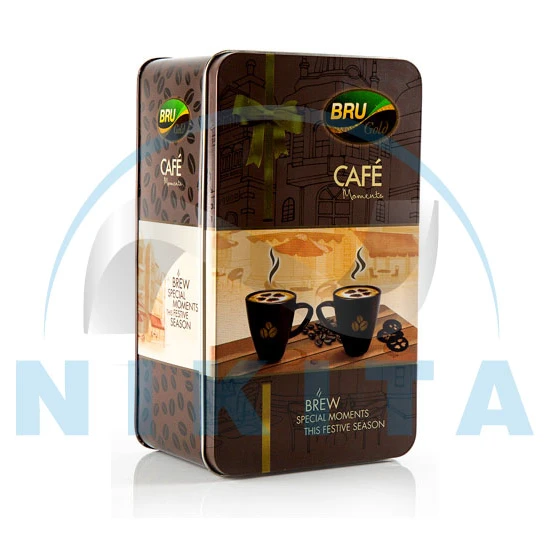

Coffee and Tea Tins play a vital role in preserving freshness, protecting flavour, and shaping how a brand is perceived. For businesses in food manufacturing, retail, or export, the right packaging is more than a container. It is a long term investment in quality, safety, and sustainability.
Whether you are launching a new product or rethinking your packaging strategy, selecting the right tin solution requires careful consideration. This guide walks through a practical checklist to help brands make informed, future ready decisions.
Why Packaging Matters More Than Ever
In 2026, packaging is no longer just about storage. Buyers and consumers expect safety, sustainability, and strong visual appeal in equal measure.
Coffee and tea are sensitive products. Exposure to air, light, and moisture can quickly reduce their quality. Poor packaging can lead to flavour loss, contamination risks, and shorter shelf life.
This is why many brands are shifting towards tin packaging. It offers a balance of protection, durability, and recyclability that few materials can match.
Understanding the Role of Tin in Product Protection
Tin containers are designed to act as a barrier between the product and external elements. This makes them especially suitable for products like coffee and tea, where freshness is critical.
Unlike flexible or paper based packaging, tin provides a rigid and sealed environment. This helps prevent exposure to oxygen and UV light, both of which can degrade taste and aroma.
At the same time, tin plate is non toxic and resistant to bacterial contamination. This ensures the product remains safe throughout its lifecycle, from production to consumption.
The Complete Checklist for Choosing Coffee and Tea Tins
When evaluating packaging options, it helps to break the process into clear, practical criteria.
1. Material Quality and Safety
Ensure the tin plate used is food grade and compliant with safety standards. This reduces risks associated with chemical reactions or contamination.
High quality material also improves durability during handling and transport.
2. Airtight Sealing Capability
Freshness depends heavily on how well the container seals.
Look for tins with secure lids or airtight closures that prevent air from entering. This helps maintain aroma and flavour over time.
3. Protection from Light and Moisture
Coffee and tea are highly sensitive to light and humidity.
Choose tins that offer complete opacity and strong resistance to moisture ingress. This ensures longer shelf life and consistent product quality.
4. Tamper Proof Features
Trust plays a big role in consumer decision making.
Tamper evident designs help assure buyers that the product has not been altered or compromised. This is especially important for export and retail distribution.
5. Printability and Branding Potential
Packaging is often the first interaction a customer has with a product.
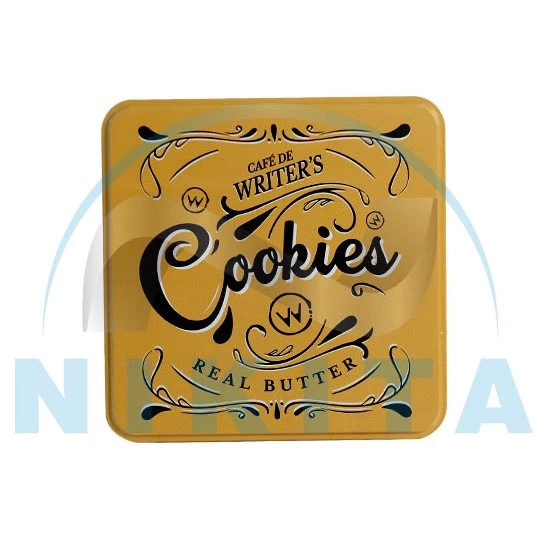
Tin offers excellent printability, allowing brands to create detailed, high quality designs. This supports brand recognition and shelf appeal.
6. Size, Shape, and Functionality
Different products require different formats.
Consider how the tin will be used, stored, and displayed. Options range from compact retail tins to larger bulk storage containers.
The right design should balance convenience with efficiency.
7. Sustainability and Recyclability
Environmental responsibility is now a key decision factor for buyers.
Tin plate is one of the most recyclable materials available. It can be reused and recycled multiple times without losing its properties.
This makes it a strong choice for brands aiming to align with circular economy goals.
Key Considerations at a Glance
- Shelf Life Extension
Tin packaging helps preserve freshness for longer periods by limiting exposure to air and light
- Non Toxic Material
Food grade tin ensures safe storage without harmful interactions
- Barrier Protection
Shields products from UV rays, moisture, and bacteria
- Aroma Retention
Maintains the original taste and fragrance of coffee and tea
- Tamper Resistance
Enhances product safety and consumer confidence
- Brand Visibility
Supports high quality printing for stronger shelf impact
- Eco Friendly Choice
Fully recyclable with no loss of material quality over time
Aligning Packaging with Brand Positioning
Choosing the right packaging is not only about function. It is also about how the brand wants to be perceived.
Premium brands often favour tin packaging because of its solid feel and visual appeal. It communicates quality and attention to detail.
At the same time, sustainability focused brands benefit from the recyclability of tin. It allows them to demonstrate commitment to responsible packaging without compromising performance.
Thinking Beyond the Present
A good packaging decision should support both current needs and future growth.
For example, export oriented businesses must consider durability during long distance transport. Similarly, brands entering new markets may need flexible packaging designs that adapt to different consumer preferences.
Coffee and tea tins offer this flexibility. They can be customised, reused, and integrated into evolving supply chains with ease.
Common Mistakes to Avoid
Even experienced buyers can overlook certain aspects when selecting packaging.
One common mistake is prioritising cost over quality. While lower cost options may seem attractive initially, they can lead to higher losses due to spoilage or damage.
Another is ignoring branding potential. Packaging that fails to stand out may limit a product’s success in competitive retail environments.
Lastly, overlooking sustainability can affect long term brand perception, especially as environmental awareness continues to grow.
Conclusion
Choosing the right coffee and tea tin packaging is a strategic decision that influences product quality, brand identity, and environmental impact.
By focusing on material safety, sealing efficiency, durability, and recyclability, businesses can ensure their packaging meets both operational and market expectations.
Companies like Nikita Containers reflect how the industry has evolved over time. Founded in 1993 in Umbergaon, Gujarat, the company has grown from a small aluminium tube manufacturer into a global supplier of high quality metal containers. Serving industries such as food, confectionery, cosmetics, and custom packaging, it continues to support brands with eco friendly, recyclable tin plate solutions that combine durability, safety, and premium appeal. Its journey highlights the importance of trust, innovation, and sustainability in modern packaging.
Frequently Asked Questions (FAQs):
What makes coffee and tea tins better than other packaging materials?
Tin provides superior protection against air, light, and moisture. This helps preserve freshness and extends shelf life compared to plastic or paper options.
Are tin containers safe for food storage?
Yes, food grade tin plate is non toxic and resistant to contamination, making it a safe choice for storing coffee and tea.
Can tin packaging be recycled?
Tin is one of the most recyclable materials available. It can be recycled multiple times without losing its quality or strength.
How do tins help maintain aroma and flavour?
Airtight sealing and barrier protection prevent exposure to external elements, helping retain the original taste and aroma.
Is tin packaging suitable for export?
Yes, its durability and protective properties make it ideal for long distance transport and international markets.
























Sign in to leave a comment.