
Introduction
Sustainable packaging is no longer a niche preference. It has become a shared responsibility across industries, supply chains, and consumers alike. In 2026, businesses are under increasing pressure to choose packaging that protects products while also protecting the planet.
Across food, confectionery, cosmetics, and premium gifting sectors, Gift Tin Manufacturers are quietly becoming trusted partners in this transition. Their growth is not driven by trends alone, but by a deep alignment with what brands and buyers genuinely need today.
This shift is rooted in care for product integrity, environmental responsibility, and long-term value. Tin packaging offers reassurance, reliability, and a sense of permanence in a world seeking sustainable solutions.
The Changing Expectations of Packaging in 2026
Packaging expectations have evolved significantly. Buyers are looking beyond appearance and cost. They are asking how materials perform, how they age, and how they impact the environment.
Brands now want packaging that supports product safety, regulatory compliance, and sustainability commitments at the same time. Tin plate packaging meets these expectations naturally, without the need for excessive processing or chemical treatments.
For many businesses, choosing tin is not a marketing move. It is a practical and ethical decision that supports long-term brand trust.
Why Tin Plate Fits a Sustainable Future
Tin plate stands out because it combines strength with simplicity. It protects contents effectively while remaining environmentally responsible.
Some of the most valued characteristics include:
- High resistance to moisture, light, and air
- Non toxic and food safe properties
- Excellent barrier against bacteria and contamination
- Long shelf life for sensitive products
These features help reduce food waste and product spoilage. That reduction alone plays a meaningful role in sustainability.
Recyclability That Truly Makes a Difference
One of the strongest reasons tin continues to gain favour is its recyclability. Tin plate can be recycled repeatedly without losing its core properties.
This matters because many materials degrade over time. Tin does not. It retains strength, quality, and usability through multiple recycling cycles.
From a buyer perspective, this supports circular economy goals in a clear and measurable way. From a consumer perspective, it offers confidence that the packaging will not become permanent waste.
Practical Benefits for Brands and Manufacturers
Beyond sustainability, tin packaging offers practical advantages that are often underestimated. These benefits directly support operational efficiency and product quality.
Key advantages include:
- Protection from UV exposure and external damage
- Strong aroma and flavour retention
- Pilfer resistant and tamper evident designs
- Stable structure during transport and storage
These qualities reduce losses during distribution and help products reach consumers in their intended condition.
Printability and Brand Expression
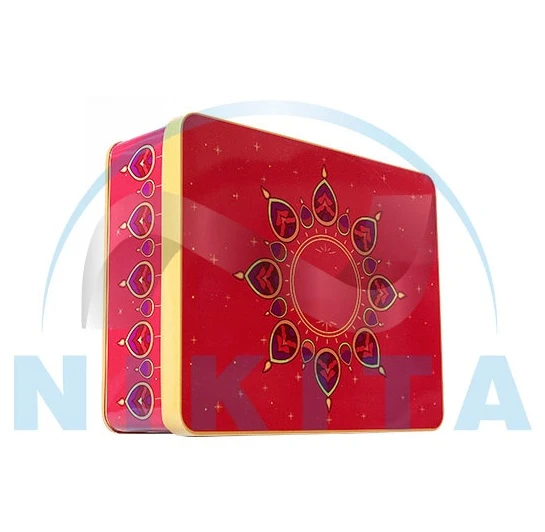
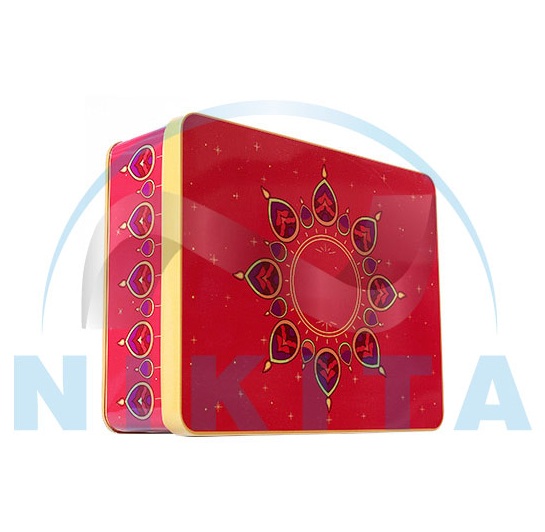
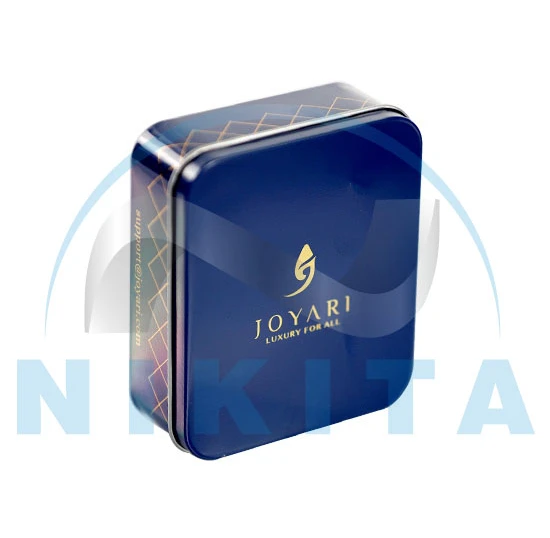
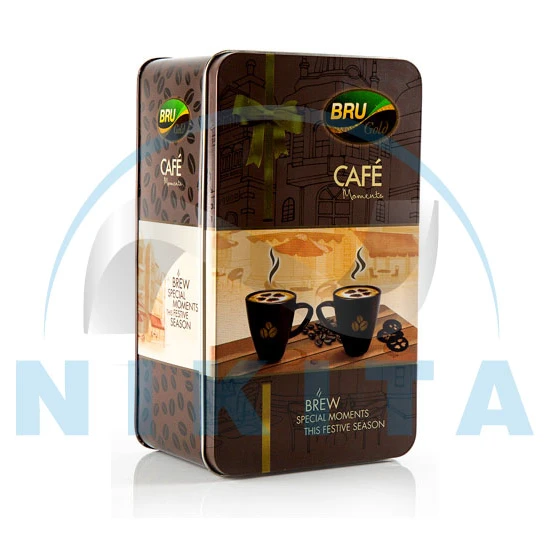
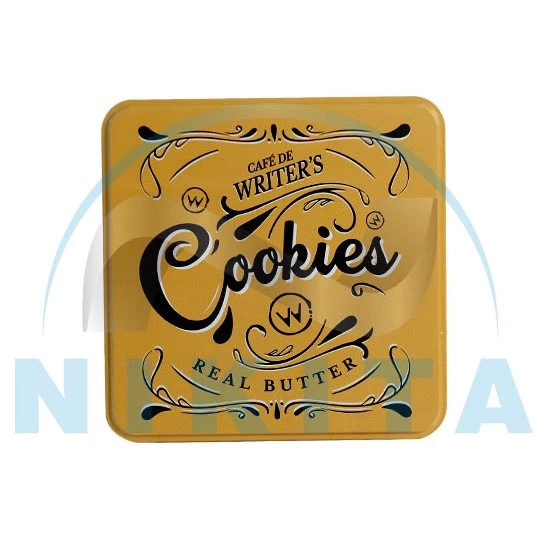
In 2026, packaging is still one of the most powerful touchpoints between a brand and its audience. Tin containers offer exceptional printability, allowing detailed artwork, embossing, and premium finishes.
This makes tin packaging especially appealing for gifting, limited editions, and high value products. The container often stays with the consumer long after the product is used.
That continued presence reinforces brand recognition in a way disposable packaging cannot.
Meeting Regulatory and Food Safety Standards
Food and cosmetic manufacturers operate within strict regulatory frameworks. Tin packaging provides peace of mind because it is widely recognised as safe and stable.
Its non reactive surface ensures that contents are not affected by chemical migration. This is particularly important for products with long shelf lives or delicate formulations.
Manufacturers value materials that simplify compliance rather than complicate it. Tin does exactly that.
Why Buyers Trust Gift Tin Manufacturers
Trust is built over time through consistency and care. Gift Tin Manufacturers have developed processes that focus on quality control, material integrity, and responsible sourcing.
They understand the balance between aesthetics and performance. They also understand that sustainability is not a single feature, but a combination of choices made at every stage of production.
This thoughtful approach resonates with procurement teams, brand owners, and sustainability managers alike.
Sustainability Without Compromise
One of the most reassuring aspects of tin packaging is that sustainability does not come at the cost of performance. Strength, durability, and protection remain uncompromised.
Businesses no longer need to choose between responsibility and reliability. Tin plate packaging offers both in equal measure.
This balance is a key reason why tin continues to gain ground in competitive packaging markets.
Looking Ahead
As environmental expectations continue to rise, packaging materials will be judged not only by their impact today, but by their relevance tomorrow. Tin plate is future ready because it is grounded in proven performance and responsible reuse.
The steady growth of tin packaging reflects a broader shift towards materials that respect both product and planet.
Conclusion
Nikita Containers, founded in 1993 in Umbergaon, Gujarat, has grown from a small aluminium tube manufacturer to a global supplier of high quality metal containers, catering to diverse industries including food, confectionery, cosmetics, and custom packaging. With eco friendly, recyclable tin plate solutions offering durability, safety, and premium appeal, the company continues to uphold its mission of delivering excellence, trust, and innovation while contributing to sustainable packaging worldwide.
Frequently Asked Questions(FAQs):
Why is tin considered sustainable packaging?
Tin is fully recyclable and can be reused multiple times without losing quality, making it ideal for circular economy models.
Is tin packaging safe for food products?
Yes, tin plate is non toxic, food safe, and protects contents from contamination and external exposure.
Do tin containers help extend shelf life?
Tin provides excellent barriers against air, light, and moisture, which helps maintain freshness and reduce spoilage.
Can tin packaging support premium branding?
Tin offers excellent printability and durability, making it suitable for high end and gift focused packaging.
Is tin packaging suitable for multiple industries?
Tin containers are widely used across food, confectionery, cosmetics, and speciality packaging sectors.


























Sign in to leave a comment.