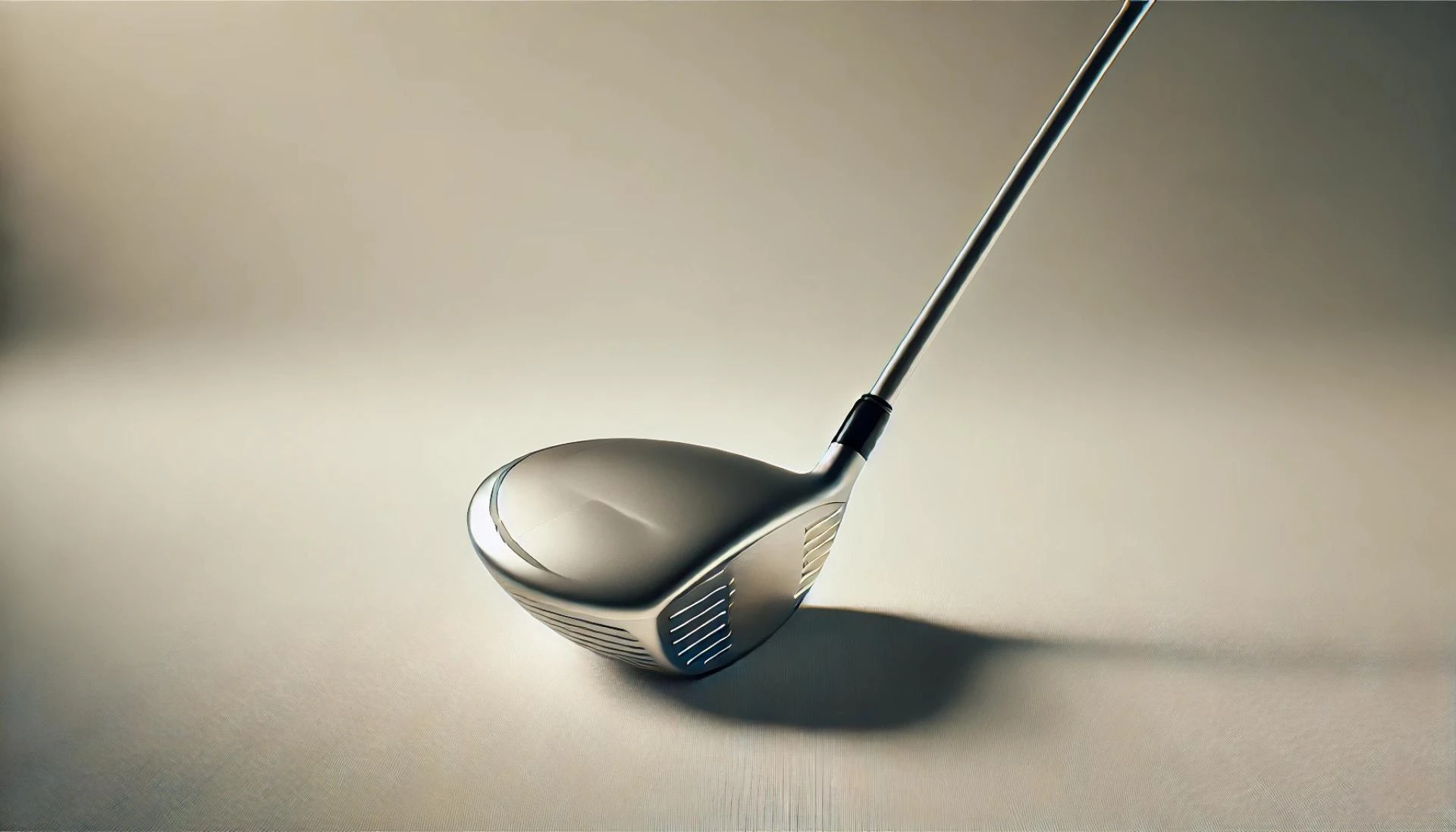

Selecting the right driver is essential for maximising your performance on the golf course. The driver, often the most challenging club to master, plays a crucial role in your game by providing distance and setting up your approach shots. This guide will help you understand the key factors to consider when choosing a driver, ensuring you make an informed decision that suits your playing style and enhances your overall game.
Understanding Driver Characteristics
Before diving into the specifics of choosing a driver, it\'s important to understand the fundamental characteristics that differentiate one driver from another. These characteristics include the clubhead size and shape, loft, shaft length and flex, and adjustability features.
Clubhead Size and Shape: Modern drivers typically feature large clubheads, often around 460cc, which provide a larger sweet spot and more forgiveness on off-centre hits. The shape of the clubhead can also vary, with some designs promoting a higher launch angle and others offering more aerodynamic properties for increased clubhead speed. When selecting a driver, consider how the size and shape of the clubhead influence your confidence and comfort at address.
Loft: The loft of a driver is the angle of the clubface that impacts the trajectory and distance of your shots. Drivers usually range from 8 to 12 degrees of loft. Lower lofted drivers (8-10 degrees) are suited for players with faster swing speeds who can generate enough lift, while higher lofted drivers (10-12 degrees) are better for those with slower swing speeds, helping to get the ball airborne more easily. Selecting the right loft is crucial for optimising your launch angle and maximising distance.
Shaft Length and Flex: The length and flex of the driver shaft play a significant role in your ability to generate clubhead speed and control your shots. Standard driver shafts are typically around 45 inches in length, but this can vary based on personal preference and swing characteristics. Shaft flex ranges from extra stiff (X) to ladies (L), with regular (R) and stiff (S) being the most common for male golfers. Players with faster swing speeds generally benefit from stiffer shafts, while those with slower swing speeds should opt for more flexible shafts to achieve better distance and accuracy.
Adjustability Features: Many modern drivers come with adjustable features that allow golfers to fine-tune the club to their specific needs. Adjustable hosels can change the loft and lie angle, while movable weights can alter the centre of gravity and ball flight. These features provide greater versatility and customisation, allowing you to optimise the driver for different course conditions and playing styles.
Evaluating Your Swing Characteristics
Understanding your swing characteristics is essential for selecting the right driver. Factors such as swing speed, angle of attack, and ball flight tendencies will influence the type of driver that best suits your game.
Swing Speed: Your swing speed is a key factor in determining the appropriate loft and shaft flex for your driver. Faster swing speeds generally require lower lofts and stiffer shafts to maximise distance and control. Conversely, slower swing speeds benefit from higher lofts and more flexible shafts to help get the ball airborne and achieve optimal carry distance. If you\'re unsure of your swing speed, many golf shops and fitting centres offer swing analysis services to provide this information.
Angle of Attack: The angle of attack refers to the angle at which the clubhead strikes the ball. A positive angle of attack (hitting up on the ball) is ideal for drivers, as it promotes a higher launch angle and reduced spin, leading to longer drives. Understanding your angle of attack can help you choose a driver with the right loft and adjustability features to optimise your launch conditions.
Ball Flight Tendencies: Identifying your typical ball flight tendencies, such as a slice, hook, fade, or draw, can help you select a driver that mitigates these issues. For example, if you struggle with a slice (a shot that curves to the right for right-handed golfers), you might benefit from a driver with a more closed clubface or draw-biased weighting. Conversely, if you tend to hook the ball (a shot that curves to the left), a driver with a more open clubface or fade-biased weighting could be beneficial.
Custom Fitting for Optimal Performance
Custom fitting is a crucial step in selecting the right driver. A professional fitting session can provide valuable insights into your swing characteristics and help you find a driver tailored to your specific needs. During a fitting, a professional will analyse your swing speed, angle of attack, ball flight, and other factors to recommend the best combination of clubhead, shaft, and adjustability features.
Custom fitting can address specific issues in your game, such as inconsistent ball striking, poor trajectory, and lack of distance. By investing in a custom-fitted driver, you can achieve more consistent and accurate drives, leading to improved performance on the course.
Testing Drivers Before Purchase
Testing different drivers before making a purchase is essential to ensure you find the right fit. Many golf shops and driving ranges offer demo days where you can try out various drivers from different manufacturers. Take advantage of these opportunities to see how different drivers feel and perform with your swing.
When testing drivers, pay attention to the feel and feedback of each shot. Notice how the ball flight and distance compare with your current driver, and evaluate how confident and comfortable you feel with the club in your hands. Testing drivers in real playing conditions can provide valuable insights into which model suits your game the best.
Budget Considerations
While it might be tempting to go for the latest and most expensive driver, it\'s important to consider your budget. Drivers can be a significant investment, and finding a club that offers good value for your money is crucial. Fortunately, there are many high-quality drivers available at various price points, catering to different budgets.
For beginners, it might be wise to start with a more affordable driver and gradually upgrade as your skills improve. Many reputable manufacturers offer budget-friendly options that still provide excellent performance and durability. Intermediate and advanced players might choose to invest more in their driver, particularly if they are looking for custom fitting and specialised features.
Choosing the right driver is a personal and strategic decision that can significantly impact your performance on the golf course. By understanding the key characteristics of drivers, evaluating your swing, considering custom fitting, and testing different options, you can make an informed choice that enhances your game. Remember, the right driver can boost your confidence, improve your accuracy, and ultimately help you achieve longer and more consistent drives, making your time on the course more enjoyable and rewarding.

























Sign in to leave a comment.