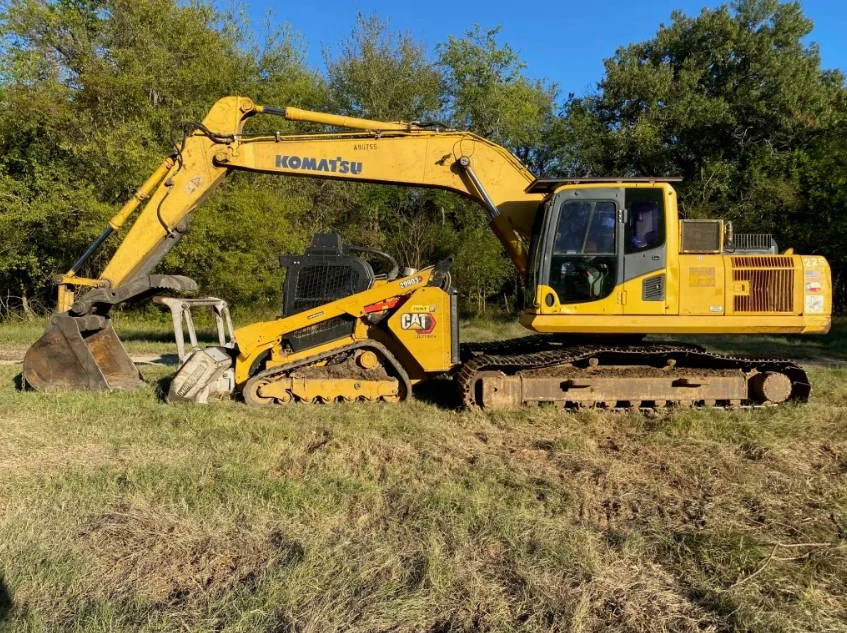

Road construction is never just about pouring asphalt; it’s a complex dance of surveying, engineering, grading, and, most critically, excavation. The success of any road project rests on the foundation that supports it. And that foundation begins with selecting the right excavation method. For contractors, this choice can define not just the durability of the road, but the efficiency, cost, and environmental footprint of the entire project.
With advancements in technology and a variety of terrain conditions, the excavation phase has become more strategic than ever. Whether you’re building a rural access road, a multi-lane highway, or a private industrial route, understanding the right method of excavation for road construction is essential to getting the job done right, safely, and sustainably.
Understanding the Terrain: The First Step Toward the Right Excavation Approach
Every road project is a geographical puzzle. Soil type, elevation, drainage, slope stability, and surrounding infrastructure all play a role in shaping the excavation strategy. Contractors begin with comprehensive surveys and geotechnical studies to assess soil strength, water table levels, and subgrade characteristics.
For example, roads built on soft clay soils may require deep excavation and subgrade replacement, while those on rocky terrain may involve controlled blasting. Choosing incorrectly not only delays timelines, it can result in dangerous road failures later on.
Common Excavation Methods Used in Road Projects
Contractors typically rely on one or a combination of the following methods, depending on project complexity:
1. Topsoil Stripping:
The upper layer of soil, rich in organic matter, is stripped to expose the more stable subsoil. This is a routine first step in excavation for road construction, especially in agricultural or undeveloped areas.
2. Earth Excavation:
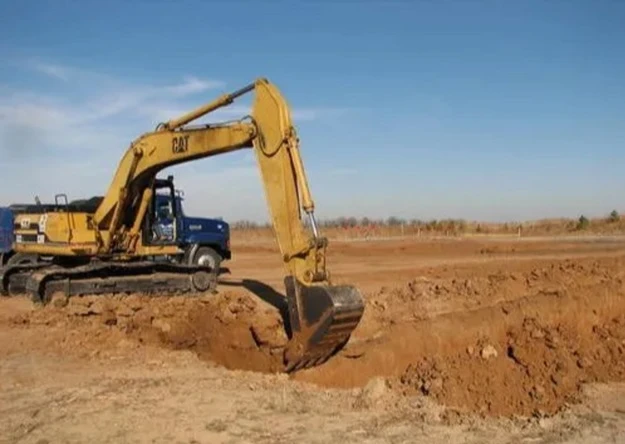
The most common type used in road building, this involves removing the layer beneath the topsoil to create a stable base for the road. It requires careful calculation of cut-and-fill ratios to minimize waste and transport costs.
3. Rock Excavation:
When the terrain includes bedrock or large boulders, heavy-duty tools or blasting may be required. This method demands precise timing and adherence to safety regulations.
4. Muck Excavation:
Muck—wet, soft soil mixed with water, can be a nightmare for contractors. Specialized drainage methods are often combined with muck removal and replacement to ensure a solid subgrade.
5. Borrow Excavation:
Sometimes the on-site material isn't sufficient. In such cases, contractors bring in soil or aggregate from other locations, known as "borrow pits," to supplement the roadbed.
6. Channel or Drainage Excavation:
Roads don’t just carry traffic; they must handle water too. Excavating for culverts, side drains, and ditches ensures proper drainage and protects the road structure over time.
Factors Contractors Must Consider
Choosing the right excavation technique is about more than just cutting into the ground. It involves balancing several key factors:
- Load Requirements: Heavy traffic roads require deeper, more stable excavation layers to support vehicle weight over time.
- Environmental Impact: Sustainable practices, like reusing excavated materials on-site or minimizing disruption to ecosystems, are becoming the norm.
- Project Timeline & Budget: Some methods, like rock blasting, might be effective but time-consuming and expensive. Efficient planning ensures timelines and budgets stay intact.
- Weather Conditions: Excavation during rainy seasons requires additional drainage solutions and reinforcement measures.
Partnering with the Right Professionals
A well-executed excavation strategy sets the tone for every phase of road construction that follows. That’s why seasoned contractors trust experienced teams like English Excavation, known for their precision, adaptability, and commitment to quality groundwork. Their expertise in excavation for road construction covers everything from pre-project soil studies to full-scale site preparation, ensuring each layer laid is done with purpose.
By leveraging the right equipment, experienced personnel, and innovative methods, English Excavation helps contractors navigate the complex terrain of excavation with confidence, making roadways safer, longer-lasting, and more sustainable from the ground up.
Building Roads That Last Starts with the Ground Below
The choice of excavation method isn’t just a technical decision; it’s the first building block in infrastructure that lasts decades. For contractors, it’s a commitment to quality, safety, and environmental responsibility. In the end, well-chosen excavation is the path beneath the path, quiet, unseen, but vital to every journey that follows.























Sign in to leave a comment.