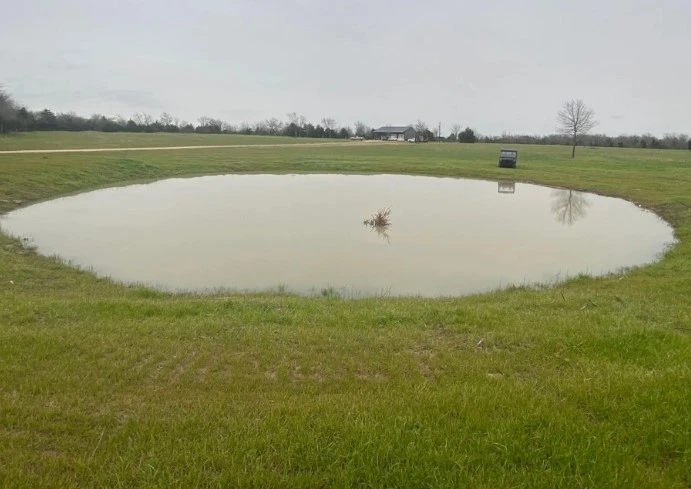

There’s something undeniably charming and incredibly practical about adding a pond to your Texas property. Whether you’re envisioning a peaceful recreational retreat, a reliable livestock watering hole, or a fully functional stormwater management system, building a pond is more than just digging a hole and filling it with water. In a state as geographically and climatically diverse as Texas, it requires strategy, skill, and a deep understanding of the land.
Welcome to your complete guide to professional pond construction in Texas, a blueprint for creating a pond that lasts, performs, and enhances your property for years to come.
Start with Site Selection and Soil Analysis
The success of any pond begins with the land itself. Professional contractors evaluate topography, watershed flow, soil permeability, and access points before any digging begins. The ideal pond site should allow for natural water collection, minimal runoff contamination, and enough clay content in the soil to retain water effectively.
This is where experience truly pays off. English Excavation, a trusted name in Texas pond construction, knows how to test the land, read the terrain, and determine if your dream pond is feasible without excessive modification.
Designing for Purpose and Performance
Every pond has a purpose. Are you building for aesthetics? Fish farming? Livestock? Irrigation? Wildlife conservation? The intended use dictates design choices such as depth, slope, inlet and outlet placement, and aeration.
A recreational pond, for instance, will need safe entry points, deeper zones for fish habitat, and perhaps a pier or dock. An agricultural pond may focus on high-capacity water storage and sediment control. The design phase must also consider the watershed size, rainfall averages, and how to manage overflow, especially important in Texas, where storms can be sudden and severe.
Permits, Regulations, and Environmental Concerns
Depending on the size and location of your pond, you may need permits from state or federal agencies like the Texas Commission on Environmental Quality or the U.S. Army Corps of Engineers. Certain ponds, especially those affecting navigable waters or larger watersheds, must comply with the Clean Water Act.
A professional contractor ensures all environmental concerns are addressed, from preventing downstream flooding to avoiding harm to protected habitats. Companies like English Excavation are well-versed in local and state regulations and help property owners navigate the red tape efficiently.
Excavation and Construction Process
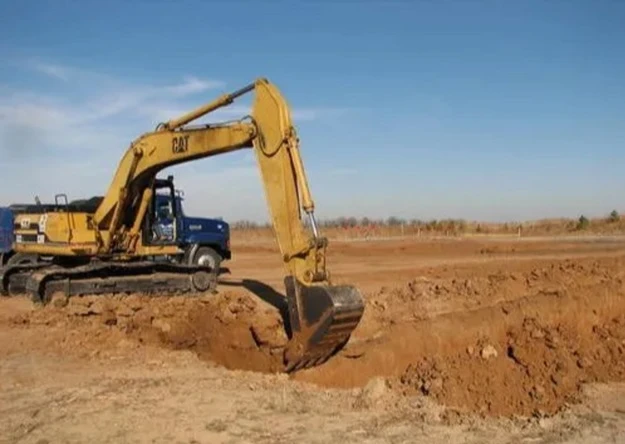
Once designs are finalized and permits secured, the excavation process begins. This is the most visible and intensive phase of pond construction. It involves clearing the area, stripping topsoil, and digging to the planned depth and shape. Contractors build compacted clay liners or install synthetic liners if soil conditions require extra water retention support.
The spillway and outlet systems are also constructed at this stage. These control overflow and help maintain water levels, critical in Texas, where periods of drought can be followed by flash floods.
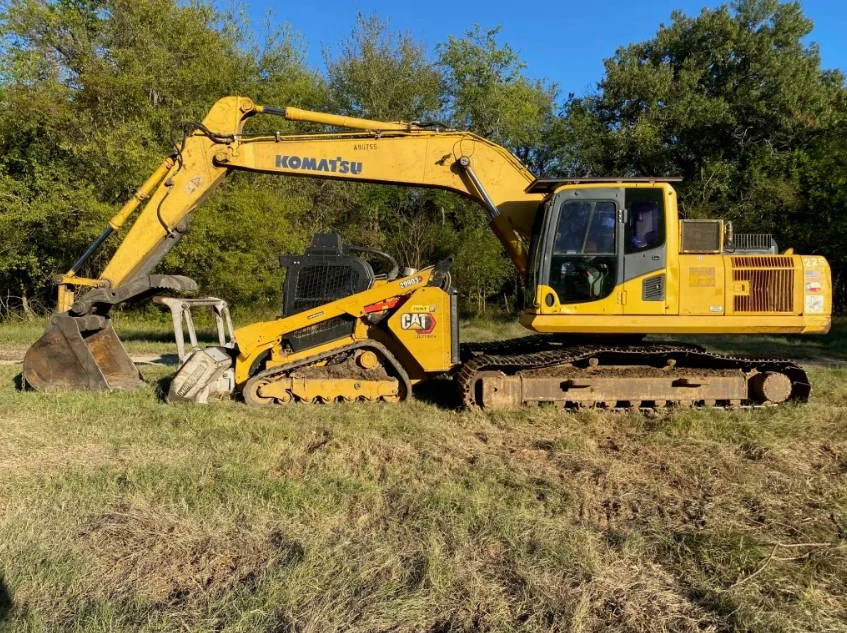
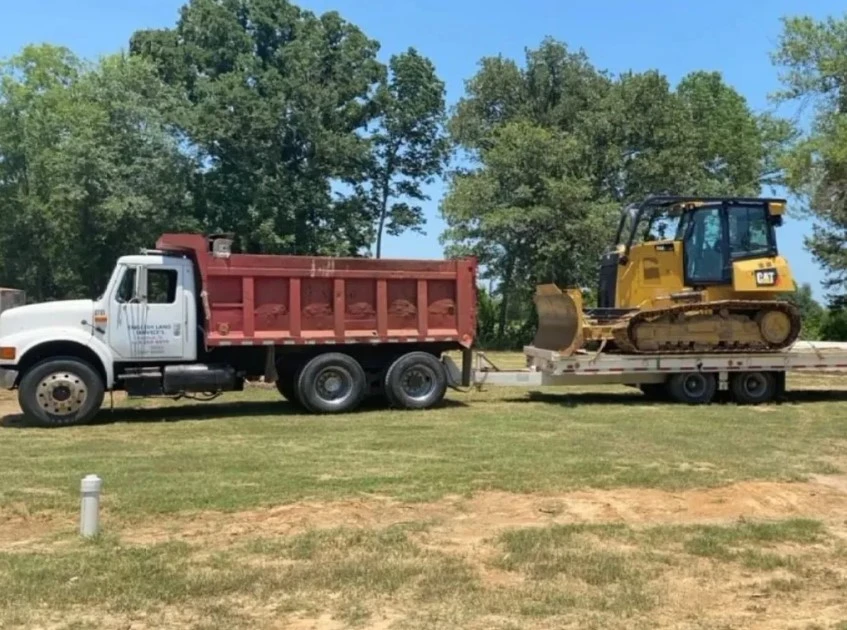
Precision is key here. Improper grading, poor compaction, or skipping drainage infrastructure can cause leaks, erosion, and pond failure. That’s why seasoned crews with the right equipment and knowledge, like those at English Excavation, are indispensable to a successful build.
Finishing Touches and Long-Term Maintenance
Once the excavation is complete and the pond begins to fill, it's time for finishing touches. This could include planting native aquatic vegetation, adding fish, installing aerators, or grading the banks for landscaping.
A newly built pond also needs a long-term maintenance plan: controlling algae, maintaining water quality, managing erosion, and monitoring the structural integrity of dams and spillways. Routine inspections prevent small issues from becoming major repairs.
Professional builders often offer ongoing support or guidance for upkeep, helping landowners preserve their investment and keep the pond healthy year-round.
Creating a Legacy with Water
A well-built pond is more than a water feature. It's a living ecosystem, a property enhancement, and a source of joy or function, depending on your vision. With the right team, careful planning, and expert construction, your pond can stand as a lasting legacy on your land.
If you’re considering Texas pond construction, don’t leave it to guesswork. Work with experienced contractors like English Excavation, who understand not just how to dig a pond but how to build one that works in harmony with Texas land, climate, and purpose.























Sign in to leave a comment.