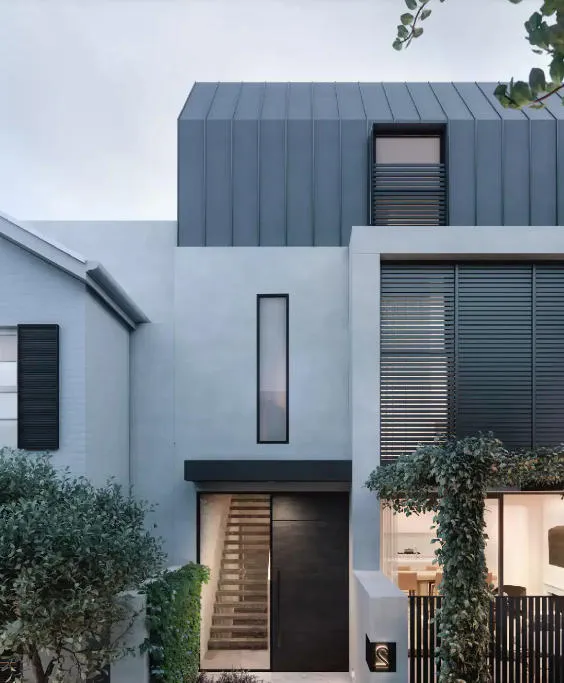

For decades, the relationship between sustainable energy and luxury architecture has been defined by a reluctant trade-off. Architects, master builders, and high-end property developers have spent months sourcing premium natural materials—fine slates, hand-cut tiles, and pristine timber—only to have the clean lines of their creations broken by industrial solar arrays. These bulky aftermarket frames have long been treated as a necessary evil: a visual sacrifice made in the name of carbon neutrality and off-grid resilience.
Sunlit wasn’t born in a solar laboratory, but from a decade of obsession with luxury architecture. We saw how traditional BIPV often felt like an “engineering compromise”—bulky, ugly, and prone to leaks. We knew there was a better way. This led to our deep collaboration with the Almaden factory, where we stripped the solar tile down to its architectural soul. This isn’t just about power; it’s about how we bridged the gap between aesthetics and engineering. The modern estate no longer requires a choice between a home's heritage aesthetic and its environmental footprint.
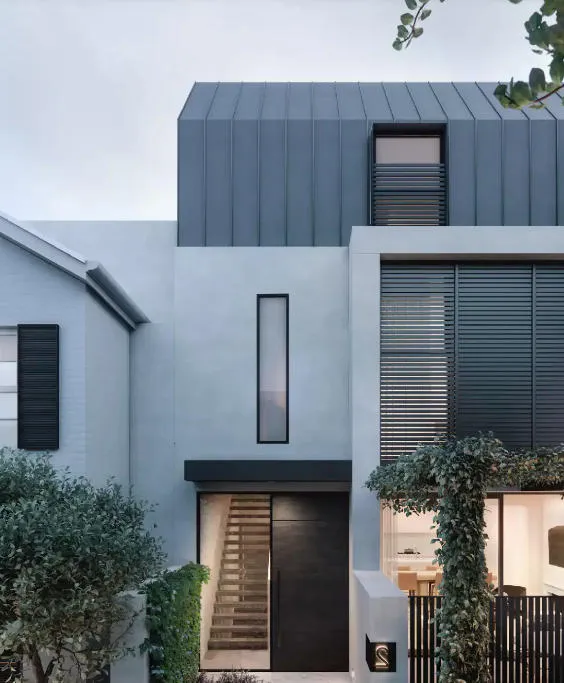
Beyond the Bolt-On: Reimagining the Structural Envelope
To understand why traditional solar installations fail the luxury standard, one must look at how they interact with a premium roof. Standard solar panels require metal rails drilled directly through existing roof coverings into the rafters below. This method introduces hundreds of potential puncture points, turning a home’s primary shield against weather into a high-risk liability. Furthermore, the air gap underneath these panels acts as a catch-all for debris, wind, and nesting wildlife, while adding significant dead weight to the roof structure.
Building-Integrated Photovoltaics (BIPV) was supposed to solve this, yet early iterations merely replaced panels with glass boxes that didn't align with standard construction metrics. True integration demands that the solar cell itself lives entirely inside a premium, weather-shedding tile. When engineered correctly, these tiles lay flush with surrounding non-solar sections, respecting the intended shadow lines, textures, and geometry of the home. This fluid alignment ensures that the clean energy mechanism is completely invisible from the curb, keeping the architectural narrative pure and uninterrupted.
Material Science Meets Visual Harmony
Achieving zero visual compromise requires an intense focus on material science and optical physics. Standard solar panels rely on high-glare protective glass that reflects sunlight in a harsh, metallic sheen. This glare looks unnatural against organic materials like stone, wood, or clay.
Modern architectural solar tiles overcome this obstacle by utilizing textured, low-iron tempered glass surfaces. These surfaces are physically etched to diffuse reflecting light across multiple angles, perfectly mimicking the natural, split-face texture of premium slate. Beneath this textured glass layer, a hidden photovoltaic cell matrix absorbs sunlight cleanly across a wide range of angles without throwing blinding reflections back into the environment. The result is a selection of high-quality solar roofs that deliver peak electrical efficiency while preserving the deep, textured character required by premium design palettes.
Engineering for Multi-Generational Longevity
A luxury home is built to outlast its creators, meaning every component must be chosen for its long-term durability. When clean energy functions directly as a roofing material, it must meet or exceed the lifespan of classic slate or ceramic.
To achieve this level of performance, the structural interlocking system must be absolutely watertight. Water management channels must be engineered directly into the edges of each solar tile, directing heavy downpours safely away from the underlayment. Simultaneously, the electrical infrastructure cannot rely on exposed external wires that dry out and crack under constant UV exposure. Instead, a smart, plug-and-play wiring system must be safely tucked beneath the primary weather barrier, dry and fully insulated from the elements. This dual-layer protection guarantees structural integrity that easily handles high-wind zones, heavy snow loads, and torrential storms.

The Future of Legacy Properties
As global building standards shift rapidly toward net-zero emissions, incorporating on-site power generation is no longer a futuristic concept—it is a modern building requirement. However, a luxury estate should never look like a utility substation. The ultimate goal of premium building design is to conceal complex engineering behind a mask of exquisite craftsmanship.
By treating the roof as a singular, harmonious canvas rather than a platform for mechanical hardware, creators can now build homes that are completely self-sufficient while remaining stunningly beautiful. Property owners can step into the future of sustainable living without losing a single ounce of their home's character. To learn more about how this technological harmony can elevate your next building project, visit Sunlit and explore the intersection of flawless architectural heritage and advanced solar physics.


























Sign in to leave a comment.