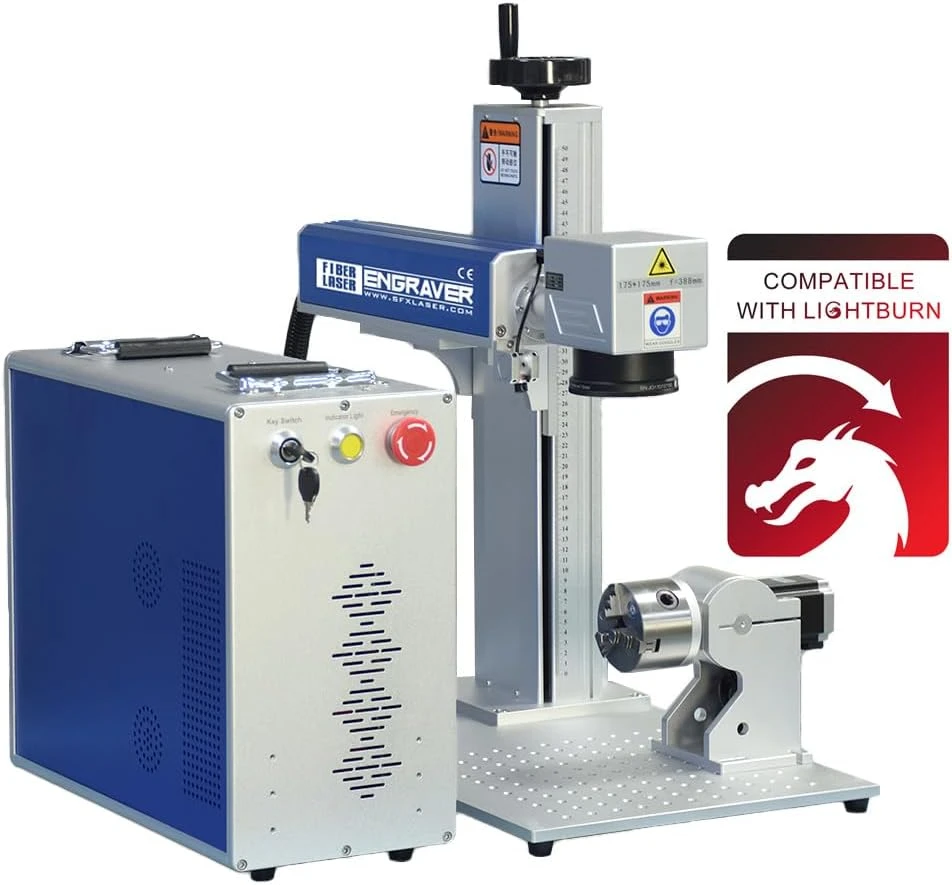
In the realm of modern manufacturing and artistic creation, fiber laser engraver have emerged as indispensable tools for their precision, speed, and versatility. Whether you're a small business looking to enhance product personalization or a large industrial operation needing high-throughput engraving capabilities, selecting the right fiber laser engraver is crucial to achieving optimal results.
Understanding Fiber Laser Engravers
Fiber laser engravers utilize advanced laser technology to etch designs onto a variety of materials with unparalleled accuracy. Unlike traditional CO2 lasers, fiber lasers are known for their efficiency and low maintenance requirements, making them ideal for continuous operation in industrial settings. They excel in engraving metals such as stainless steel, aluminum, and titanium, as well as non-metallic materials like plastics, ceramics, and even certain types of wood.
Key Considerations When Choosing a Fiber Laser Engraver
Laser Power and Speed: The power rating of a fiber laser directly impacts its engraving speed and depth. Higher wattage lasers are capable of faster engraving and can handle thicker materials. Consider your production needs and the materials you plan to engrave when choosing the appropriate power level.
Work Area Size: The size of the engraving bed determines the maximum dimensions of the objects you can engrave. For large-scale projects or batch processing of smaller items, opt for a machine with a spacious work area to accommodate various sizes and quantities.
Software and Compatibility: User-friendly software with robust design capabilities is essential for creating and editing engraving patterns. Ensure compatibility with industry-standard file formats like DXF, AI, and SVG for seamless integration into your existing workflow.
Precision and Resolution: The resolution of a fiber laser engraver dictates the intricacy of detail achievable in your designs. Higher resolution machines can produce finer lines and more complex patterns, crucial for applications in jewelry, electronics, and medical device manufacturing.
Maintenance and Support: Opt for a manufacturer or supplier known for reliable customer support and comprehensive maintenance services. Regular upkeep ensures optimal performance and extends the lifespan of your equipment.
Applications Across Industries
Fiber laser engravers find applications across diverse industries:
Manufacturing: Marking of serial numbers, logos, and barcodes on metal components.Jewelry Design: Intricate engraving on precious metals and gemstones.Personalization: Customization of promotional items, gifts, and consumer electronics.Medical: Engraving surgical instruments and medical devices for traceability and identification.Choosing the Right Supplier
When investing in a fiber laser engraver, consider these reputable manufacturers known for quality and innovation:
FiberCube by LaserStar Technologies: Known for robust industrial-grade machines.Epilog Laser: Offers a range of engravers suitable for both small businesses and large enterprises.Trotec Laser: Known for high-speed engraving solutions with intuitive software.Conclusion
Investing in a fiber laser engraver is a strategic decision that can significantly enhance your production capabilities and product offerings. By understanding the key features and considerations outlined in this guide, you can confidently choose the right machine to meet your specific engraving needs. Whether you prioritize speed, precision, or versatility, a well-chosen fiber laser engraver will undoubtedly elevate your business operations and creative endeavors to new heights of success.






















Sign in to leave a comment.