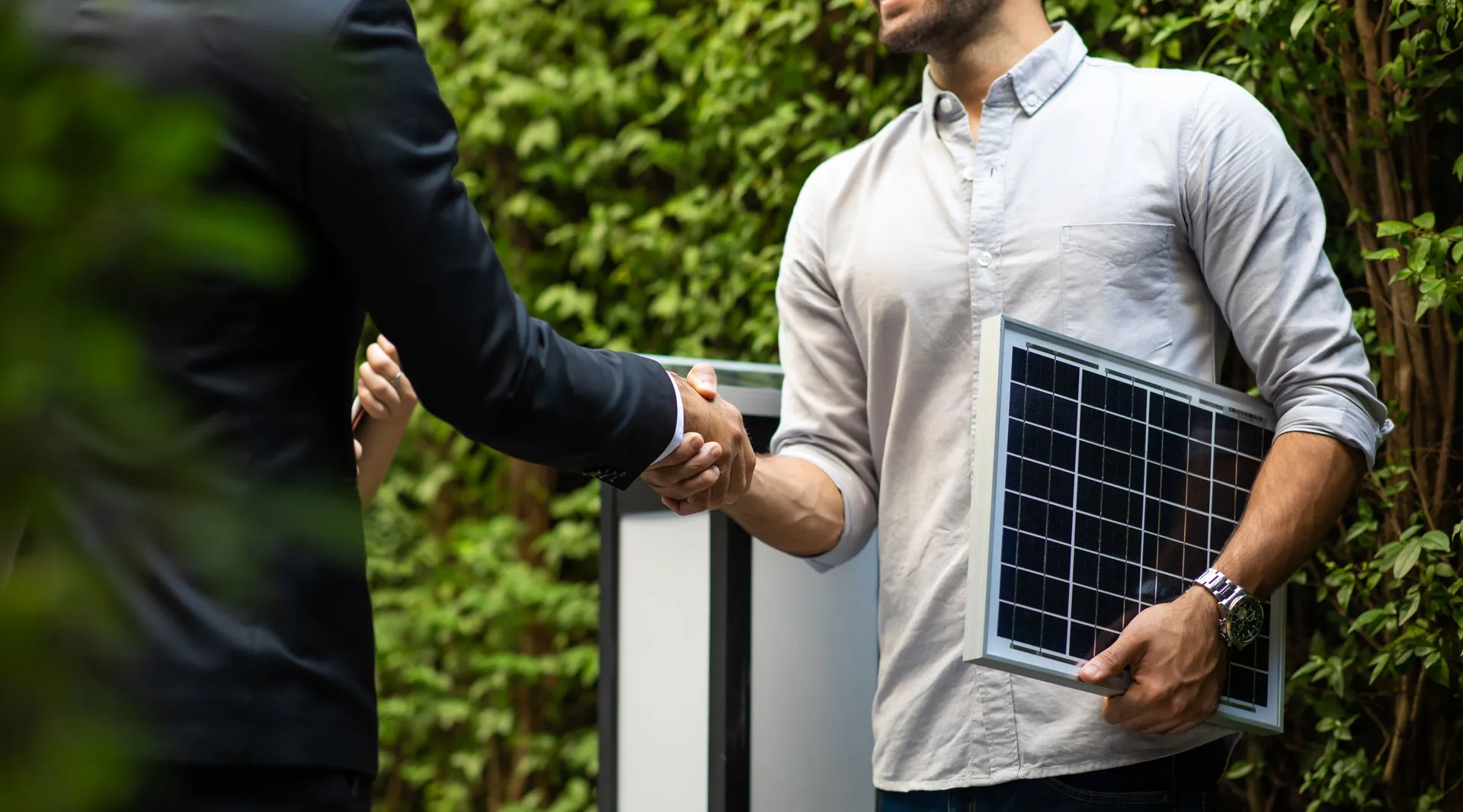

A New Dawn Across Borders
Not long ago, solar energy felt like a quiet promise whispered only in sun-drenched corners of the world. Today, that whisper has grown into a roaring conversation between nations. International solar partnerships are reshaping how countries generate, share, and think about power. What was once a local solution has become a global movement, crossing deserts, oceans, and political boundaries with surprising ease.
The Spark That Lit the Chain
The transformation began when a few forward-looking nations realized that sunlight knows no borders. A solar panel in Morocco captures the same rays that will soon fall on Spain. Cloud cover over Germany might clear just as India’s midday sun peaks. This natural rhythm inspired a bold idea: instead of each country building its own isolated infrastructure, why not link solar farms across continents?
Early collaborations focused on technology sharing. Wealthier nations funded research into cheaper, more efficient photovoltaic cells, while sunnier countries offered land and labor. The arrangement worked beautifully. Within a decade, the cost of solar power dropped by nearly ninety percent, making it cheaper than coal in many regions. But the real leap came when countries began planning cross-border transmission lines—massive cables that carry solar electricity from where the sun shines brightest to where demand is highest.
How Partnerships Actually Work on the Ground
These are not just vague agreements signed in conference halls. True international solar partnerships involve shared investment, joint research, and coordinated grid management. For example, a consortium of nations might fund a giant solar park in a desert region, then split the electricity according to each member’s contribution. Some agreements include solar appointments, formal commitments where countries assign dedicated teams to oversee cross-border solar projects, troubleshoot technical issues, and align maintenance schedules. These appointments ensure that no single nation shoulders the burden alone, and that delays in one country do not stall progress everywhere.
Another common model is the technology corridor. Here, a nation with advanced solar manufacturing supplies panels and inverters to a partner country, which then exports excess power back through shared lines. Everyone wins: the manufacturer gains a reliable market, the installer gains clean energy, and the planet breathes a little easier.
Breaking Down Old Barriers
This new approach is quietly dismantling three old barriers that once held renewable energy back. First, the intermittency problem. Solar only works when the sun shines, but when your grid spans multiple time zones, afternoon in one country can fill evening gaps in another. Second, the land constraint. Dense nations with little open space can import solar power from sparsely populated deserts or plains. Third, the financial risk. Large solar farms need huge upfront capital, but when several nations share the cost, the risk becomes manageable.
Unseen Ripples of Cooperation
Beyond megawatts and transmission lines, these partnerships are doing something unexpected: they are building trust. Energy independence used to mean hoarding resources. Now, interdependence through solar creates a web of mutual reliance that makes conflict less likely and cooperation more natural. Environmental agencies have noticed that countries with active solar partnerships often collaborate faster on climate adaptation, water management, and biodiversity protection.
What the Future Holds
Looking ahead, the next wave of international solar partnerships will involve floating solar farms on shared seas, space-based collectors, and artificial intelligence that predicts cloud movement across hemispheres. Developing nations are no longer just recipients of technology—they are becoming innovators, designing low-cost storage solutions and resilient microgrids that work even in remote areas.
The renewable energy landscape is no longer a collection of individual efforts. It is a living, shifting tapestry woven by many hands. And at the center of that tapestry shines a simple truth: the sun gives freely to all, and when we learn to share that gift, we power not just homes and factories, but a more connected world.
For Business Inquiries Related to Lead Generation Services, Call Center and BPO Services, Please Call Us or WhatsApp At: +1 704-705-956



























Sign in to leave a comment.