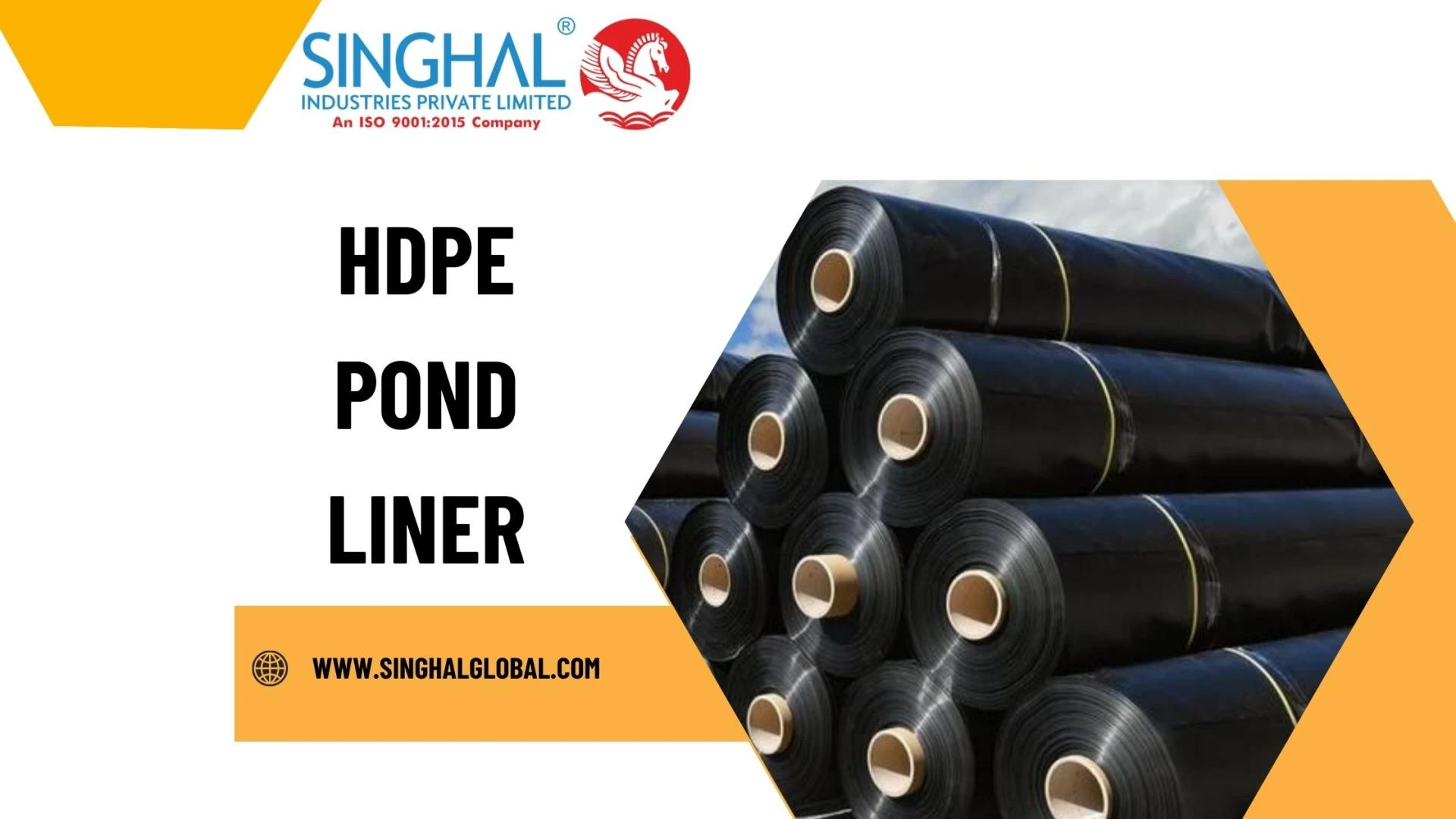

Pond liners are crucial for maintaining the health and functionality of any water feature, whether it's a garden pond, fish pond, or a large-scale water storage system. High-Density Polyethylene (HDPE) pond liners have emerged as a preferred choice due to their durability, flexibility, and resistance to environmental factors. This article will guide you through the process of selecting the right HDPE pond liner for your project, highlighting important considerations, and answering common questions. We will also provide insights on sourcing HDPE pond liners from reputable manufacturers, including Singhal Industries.
What is an HDPE Pond Liner?
An HDPE pond liner is a type of liner made from high-density polyethylene, a thermoplastic polymer known for its strength, durability, and resistance to various chemicals and environmental conditions. HDPE pond liners are used to create a watertight barrier in ponds, preventing water leakage and helping to maintain the ecological balance of aquatic systems.
Why Choose HDPE Pond Liners?
HDPE pond liners offer several advantages over other types of pond liners:
Durability: HDPE is highly resistant to punctures, tears, and UV degradation, making it an excellent choice for long-term pond projects. Its robustness ensures that it can withstand harsh weather conditions and physical wear.
Chemical Resistance: HDPE is resistant to a wide range of chemicals, including acids and bases. This makes it suitable for ponds that may contain various types of water additives or chemicals.
Flexibility: HDPE liners are flexible and can conform to the contours of any pond shape. This flexibility allows for easy installation and adaptation to complex pond designs.
Eco-Friendly: HDPE is recyclable, making it a more sustainable option compared to some other materials. This aligns with modern environmental considerations and helps reduce landfill waste.
Low Maintenance: The longevity and resistance to algae and sediment build-up mean that HDPE liners require minimal maintenance once installed.
Choosing the Right HDPE Pond Liner
Selecting the appropriate HDPE pond liner involves several key considerations:
1. Thickness
The thickness of the HDPE pond liner is a crucial factor affecting its durability and performance. HDPE pond liners come in various thicknesses, commonly measured in microns. A popular choice is the 500-micron HDPE pond liner, which offers a good balance of strength and flexibility. For larger ponds or more demanding conditions, thicker liners may be necessary. Here’s a general guide:
200-300 Micron: Suitable for small decorative ponds or water features. Hdpe Pond Liner 500 Micron Ideal for medium to large ponds, fish ponds, and water storage applications. Above 500 Micron Recommended for heavy-duty applications, such as large agricultural ponds or industrial uses.2. Size and Shape of the Pond
The dimensions and shape of your pond will influence the amount of liner material you need. HDPE pond liners are available in various roll sizes, so you should measure your pond accurately to determine the required amount of liner. Custom sizes and pre-fabricated shapes can also be ordered from manufacturers to fit specific pond designs.
3. Installation Method
Consider how the liner will be installed. HDPE pond liners can be installed as a single piece or in sections, depending on the size and shape of the pond. Seamless liners reduce the risk of leaks but may require professional installation. For complex pond shapes, custom-fitted liners might be necessary.
4. Environmental Conditions
Evaluate the environmental conditions of your pond site. Factors such as temperature fluctuations, exposure to sunlight, and potential for physical damage will influence the choice of liner thickness and quality. For ponds exposed to extreme weather or heavy usage, a thicker liner may be more appropriate.
Sourcing HDPE Pond Liners
When purchasing HDPE pond liners, it is essential to choose a reputable manufacturer to ensure the quality and reliability of the product. Singhal Industries is a well-known HDPE Pond Liner Manufacturer with a reputation for producing high-quality liners. Their range of HDPE pond liners includes various thicknesses and sizes to suit different applications. Whether you’re looking for a standard 500-micron HDPE pond liner or a custom solution, Singhal Industries can provide the products and expertise needed for your project.
Conclusion
Choosing the right HDPE pond liner is crucial for the success of your pond project. By considering factors such as thickness, size, environmental conditions, and installation methods, you can select a liner that meets your needs and ensures long-term durability. Reputable Hdpe Pond Liner For Sale offer a range of high-quality HDPE pond liners, including the popular 500-micron option, to suit various applications. With the right liner and proper care, you can enjoy a beautiful and functional pond for years to come.
Frequently Asked Questions (FAQ)
1. What is the difference between HDPE and other types of pond liners?
HDPE pond liners are known for their durability, chemical resistance, and flexibility. Compared to other materials like EPDM or PVC, HDPE liners typically offer greater resistance to punctures and UV degradation. HDPE also has a lower environmental impact due to its recyclability.
2. How do I determine the right thickness for my pond liner?
The thickness of the pond liner should be based on the size of the pond, its intended use, and environmental conditions. For most residential ponds, a 500-micron liner is sufficient. Larger ponds or those with higher demands may require thicker liners for added durability.
3. Can HDPE pond liners be repaired if damaged?
Yes, HDPE pond liners can be repaired if they are punctured or damaged. Specialized HDPE repair kits and welding techniques can be used to fix small holes or tears. For larger damage, professional repair services may be necessary.
4. How do I install an HDPE pond liner?
HDPE pond liners should be installed by preparing the pond bed, laying out the liner, and securing it in place. It is important to ensure that the liner is smooth and free of wrinkles to prevent leaks. For complex installations or larger ponds, consulting with a professional installer may be beneficial.
5. Where can I buy HDPE pond liners?
HDPE pond liners can be purchased from various suppliers and manufacturers. For high-quality options, consider sourcing from reputable companies like Singhal Industries, which offer a range of HDPE pond liners suitable for different applications.
6. What should I consider when choosing a supplier for HDPE pond liners?
When selecting a supplier, consider factors such as product quality, range of options, customer service, and pricing. Reputable manufacturers like Singhal Industries provide reliable products and support, ensuring that you receive a high-quality liner for your pond project.
7. How do I maintain my HDPE pond liner?
HDPE pond liners require minimal maintenance. Regularly check for any signs of damage or wear, and keep the pond area clean to prevent debris from causing issues. Routine inspections and prompt repairs will help extend the lifespan of the liner.
























Sign in to leave a comment.