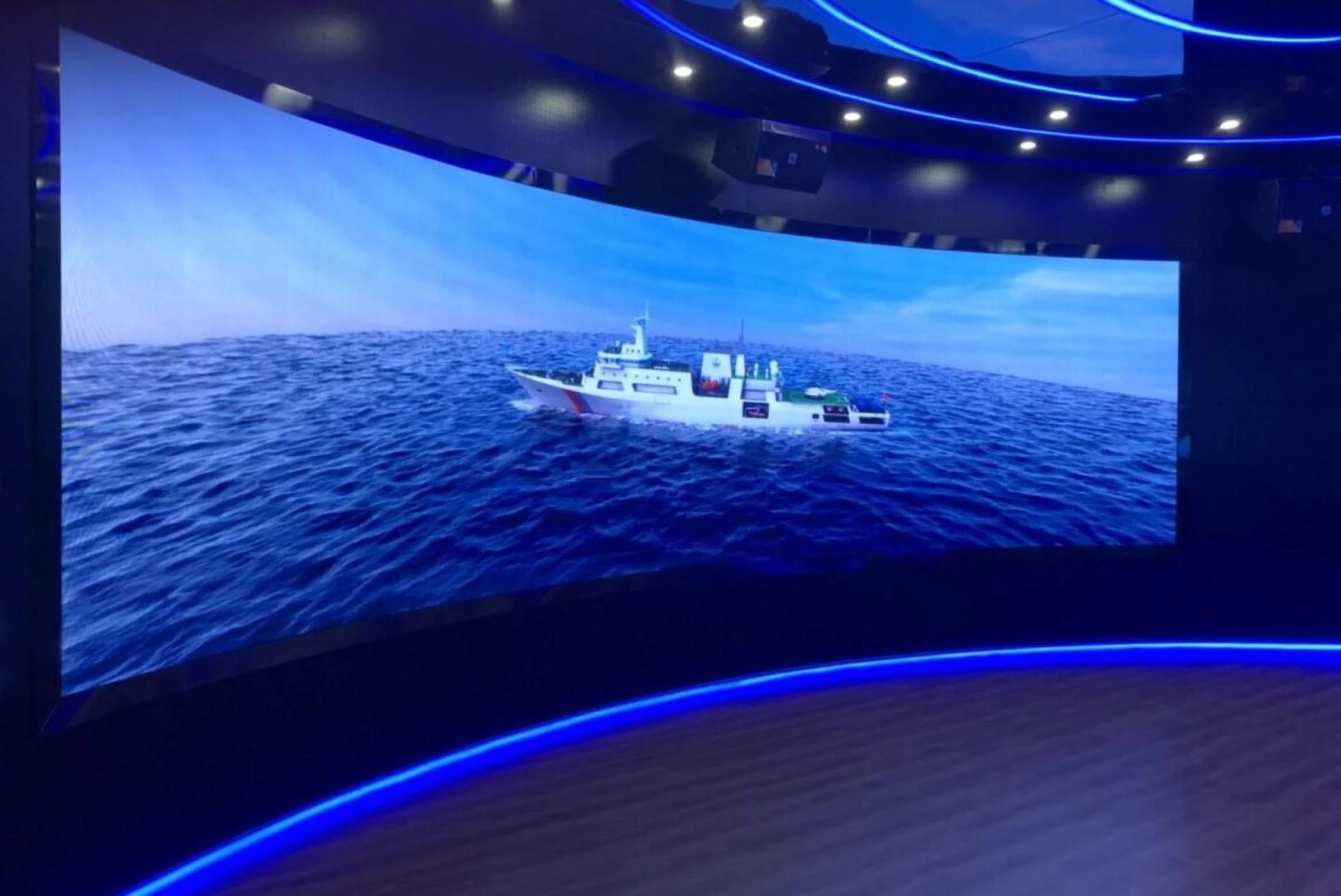

In the fast-paced advertising world, where capturing attention is paramount, indoor Direct View LED display screens have become indispensable tools for marketers looking to make a lasting impact. These dynamic displays offer vibrant visuals, high resolutions, and versatile applications, making them a popular choice for indoor advertising. However, with many options available, selecting the right indoor LED display requires careful consideration. In this buyer's guide, we'll delve into the key factors advertisers should weigh when choosing an indoor LED screen, ensuring a seamless integration that maximizes the effectiveness of their advertising campaigns.
Size and Placement: Tailoring Displays to Your Space
Consider the physical dimensions of the space where the indoor LED display will be installed. The LED video display has to be proportionate to the available space. Choosing the right dimensions will ensure that your message is visible and impactful. Assess the viewing distance and angles to determine the optimal size for maximum visibility. Additionally, think about the placement of the display within the indoor environment to ensure that it complements the layout and doesn't obstruct other elements.
Pixel Pitch: Striking the Right Balance
Pixel pitch refers to the distance between individual pixels on an LED display. But it also measures at what distance from the display pixilation will not be an issue to the viewers. Where the viewers are relatively close to the display a smaller pixel pitch might be required. Where viewers are farther away from the display a larger pixel pitch might suffice. For indoor advertising displays, finding the right balance between pixel pitch and viewing distance is crucial to achieving optimal visual impact.
Brightness and Contrast: Standing Out in Any Lighting Condition
In general ambient light does not affect the quality of LED images as compared to projected images which are severely affected by ambient light. An LED display should allow both the adjustment of brightness and the contrast ratio. Where the lighting in a venue is dim the LED displays should allow for the increase in the brightness of the display. Similarly, the LED displays should allow for the adjustment of the contrast ratio to meet the specific needs of the venue. Opt for higher brightness in areas with natural light to guarantee vibrant and eligible content. The contrast ratio is equally crucial, enhancing details for an appealing visual experience. An optimal LED screen for advertising indoors seamlessly ensures your message stands out, regardless of diverse lighting conditions. Thoughtfully choosing an LED screen for advertising indoor spaces is key to captivating your audience effectively.
Refresh Rate: Ensuring Smooth Motion Graphics
For dynamic and visually engaging content, in an indoor display insist on a minimum, refresh rate of 3840 Hz. A higher refresh rate results in smoother motion graphics, preventing motion blur and ensuring that your content remains visually appealing. Smooth transitions are especially crucial for advertisements with dynamic visuals or video content.
Durability and Reliability: Longevity of Your Investment
An indoor LED display is a significant investment, and advertisers should prioritize durability and reliability. Opt for displays with robust build quality and materials that can withstand the rigors of continuous operation.
Connectivity and Compatibility: Seamless Integration with Your Infrastructure
Ensure that the chosen indoor LED display integrates seamlessly with your existing infrastructure. Check for compatibility with content management systems (CMS) and the ability to connect to various devices. Look for displays with multiple connectivity options, including HDMI, USB, and wireless capabilities, to facilitate easy content updates and compatibility with different sources.
Maintenance and Support: Minimizing Downtime
Even the most advanced indoor LED displays may require maintenance or troubleshooting. Prioritize displays that come with comprehensive support packages, including warranty coverage, spare parts and responsive customer support. Choose displays with modular designs that simplify maintenance tasks, allowing for quick and cost-effective repairs if needed.
In Conclusion,
Selecting the right indoor LED display is a crucial step in maximizing the impact of your advertising efforts. By carefully considering factors such as, size, pixel pitch, brightness, contrast, refresh rate, durability, connectivity, responsive customer support, warranty, spare parts and maintenance, advertisers can ensure that their chosen display aligns with their specific needs and delivers a compelling visual experience. With the right indoor LED display, advertisers can captivate their audience, enhance brand visibility, and make a lasting impression in the competitive world of indoor advertising.



























Sign in to leave a comment.