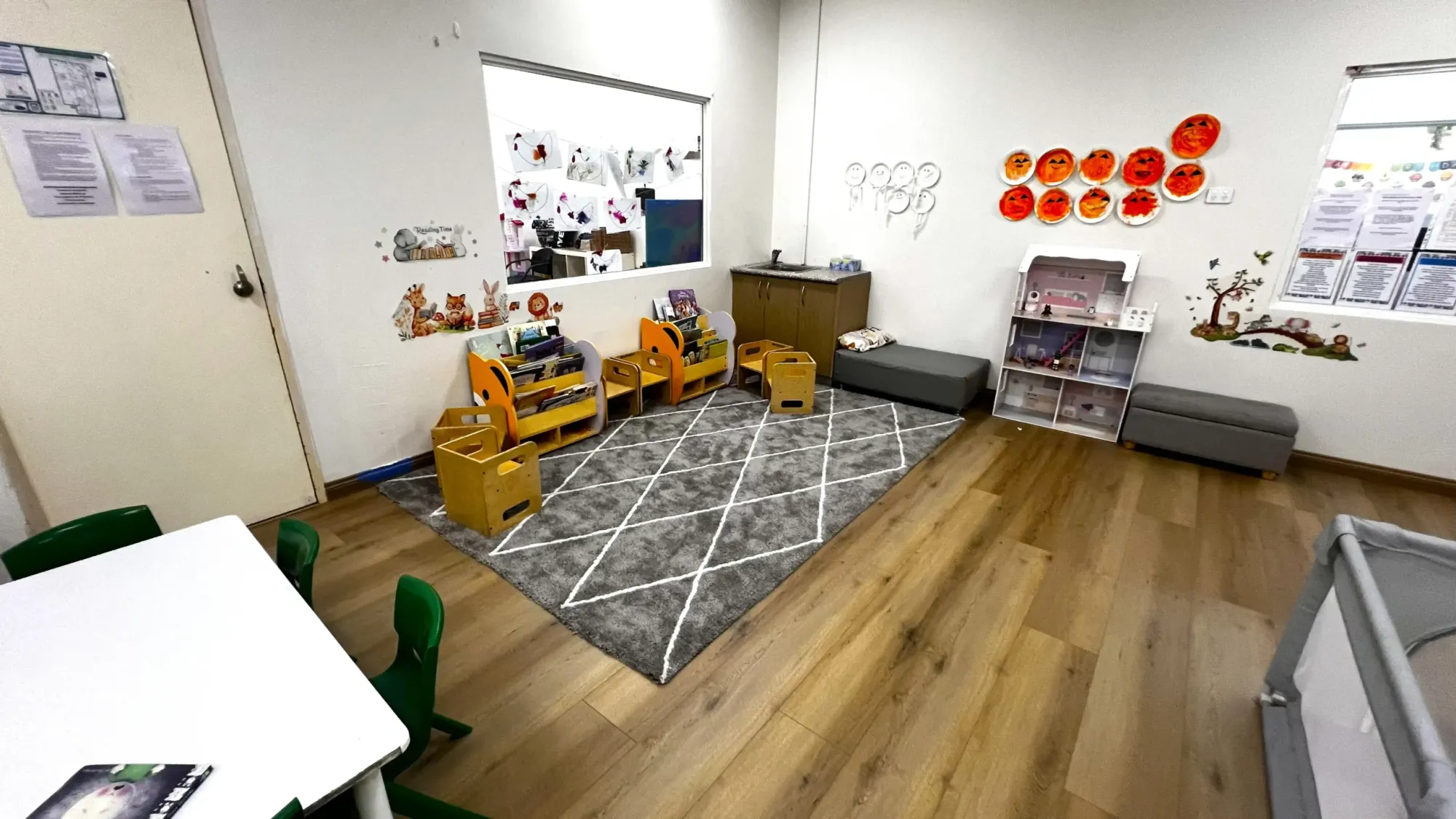

Finding the right infant care centre is one of the most important decisions parents make during the early years of their child's life. Whether you're returning to work, balancing family responsibilities, or looking for a nurturing environment that supports your baby's development, selecting a trusted care centre provides peace of mind and a strong foundation for your child's future. A high-quality infant care centre offers more than supervision—it creates a safe, loving, and stimulating environment where infants can grow, learn, and thrive during their most formative months.

Why Choosing the Right Infant Care Matters
The first year of life is filled with rapid physical, emotional, and cognitive development. During this stage, babies develop trust, begin exploring their surroundings, and form the earliest social connections. The quality of care they receive during this period has a lasting impact on their overall wellbeing.
A professional infant care centre understands these developmental milestones and provides age-appropriate experiences that encourage healthy growth. Experienced educators focus on creating secure attachments, supporting sensory exploration, and establishing routines that help infants feel safe and comfortable throughout the day.
Parents benefit as well, knowing their child is cared for by trained professionals who prioritize safety, nutrition, sleep, and developmental learning.
What Makes an Excellent Infant Care Centre?
Not all childcare facilities are the same. When comparing options, it's important to evaluate several factors beyond convenience and location.
Qualified and Caring Educators
The people caring for your baby matter most. Look for centres with qualified educators who have specialized training in infant development, first aid, and early childhood education. Experienced caregivers recognize each child's unique personality and adjust their care to meet individual needs.
Warm, responsive interactions help babies build confidence and emotional security while encouraging healthy development.
Safe and Secure Environment
Safety should always be a top priority. A quality infant care centre maintains strict health and safety standards, including:
- Secure entry and exit systems
- Clean and sanitized play areas
- Age-appropriate toys and equipment
- Safe sleeping practices
- Regular health and hygiene procedures
- Emergency preparedness protocols
A clean, organized environment helps reduce illness while providing parents with confidence that their baby is protected throughout the day.
Low Educator-to-Child Ratios
Infants require constant attention and individualized care. Lower educator-to-child ratios allow caregivers to spend more one-on-one time with each child, ensuring feeding schedules, sleep routines, and developmental activities are tailored to individual needs.
This personalized attention supports emotional wellbeing and allows educators to quickly respond to each baby's cues.
The Importance of Early Learning
Many parents assume infants only need feeding, sleeping, and supervision. In reality, every interaction during infancy contributes to learning.
High-quality infant programs include carefully planned experiences that stimulate development through:
- Music and movement
- Storytelling
- Sensory play
- Tummy time
- Language-rich conversations
- Visual exploration
- Gentle physical activities
These everyday experiences strengthen brain development while encouraging curiosity, communication, and motor skills.
Consistent Daily Routines Build Confidence
Babies thrive on routine. Predictable schedules help infants understand what comes next, reducing anxiety and supporting emotional regulation.
A well-managed infant care centre follows consistent routines for:
- Feeding
- Sleeping
- Playtime
- Outdoor exploration
- Nappy changing
- Quiet time
- Parent communication
While flexibility is important for each child's individual needs, consistent daily rhythms create a sense of security that helps infants feel comfortable in their environment.
Nutrition and Healthy Development
Proper nutrition is essential during infancy. Professional care centres work closely with parents to follow feeding preferences, bottle schedules, allergy requirements, and dietary recommendations.
Whether your child is breastfed, formula-fed, or transitioning to solid foods, educators ensure feeding routines remain consistent with home practices while maintaining high hygiene standards.
Good nutrition supports healthy growth, brain development, and immune function during these important early years.
Communication Between Parents and Educators
A strong partnership between families and educators is essential for successful infant care.
The best centres maintain open communication by providing updates about:
- Feeding times
- Sleep duration
- Nappy changes
- Daily activities
- Developmental progress
- Mood and wellbeing
Many centres also use digital communication platforms that allow parents to receive updates, photos, and important announcements throughout the day.
Regular communication builds trust and helps ensure consistency between home and childcare environments.
Social Development Begins Earlier Than You Think
Although infants may not actively play together like older children, they learn by observing those around them.
Being around other children helps babies:
- Develop early social awareness
- Observe facial expressions
- Listen to language
- Practice communication
- Build confidence in group settings
Positive interactions with caring adults and peers lay the foundation for healthy social and emotional development in later years.
Questions Parents Should Ask During a Centre Visit
Before enrolling your child, schedule a visit to the centre. Observing the environment firsthand provides valuable insight into the quality of care.
Consider asking questions such as:
- What qualifications do educators have?
- What is the educator-to-child ratio?
- How are sleeping routines managed?
- How do educators communicate with parents?
- What safety procedures are in place?
- How are allergies and medical needs handled?
- What learning activities are provided for infants?
- How are new children supported during the transition?
Pay attention to how educators interact with children. Warm smiles, gentle communication, and responsive care often reveal more than brochures or websites.
Signs of a High-Quality Infant Care Centre
As you compare different options, look for these positive indicators:
- Happy, engaged children
- Calm and welcoming atmosphere
- Clean learning spaces
- Friendly educators
- Strong family communication
- Well-maintained equipment
- Individualized care plans
- Structured learning experiences
- Positive reviews from families
- Transparent policies and procedures
These qualities demonstrate a commitment to providing exceptional care and supporting every child's development.
Supporting Parents Through the Transition
Starting childcare can be emotional for both parents and babies. Reputable centres understand this transition and provide gradual orientation programs that help families settle in comfortably.
Short introductory visits, familiar routines, and ongoing communication help children adjust while giving parents confidence that their baby is in capable hands.
Patience, consistency, and collaboration between families and educators create a smooth transition that benefits everyone.
Long-Term Benefits of Quality Infant Care
Research consistently shows that positive early childhood experiences contribute to long-term success in education, relationships, and emotional wellbeing.
Children who receive nurturing, responsive care during infancy often develop:
- Strong emotional security
- Better communication skills
- Greater confidence
- Improved social development
- Early problem-solving abilities
- Healthy learning habits
These early experiences provide a solid foundation that supports lifelong learning and personal growth.
Conclusion
Choosing the right infant care centre is an investment in your child's future. Beyond providing a safe place for your baby during the day, the right centre nurtures emotional wellbeing, encourages early learning, supports healthy development, and partners with families every step of the way. By carefully evaluating educator qualifications, safety standards, communication practices, learning programs, and the overall environment, parents can confidently select a centre that meets their child's unique needs. A trusted infant care centre provides children with the care, encouragement, and opportunities they need to flourish while giving parents invaluable peace of mind.


























Sign in to leave a comment.