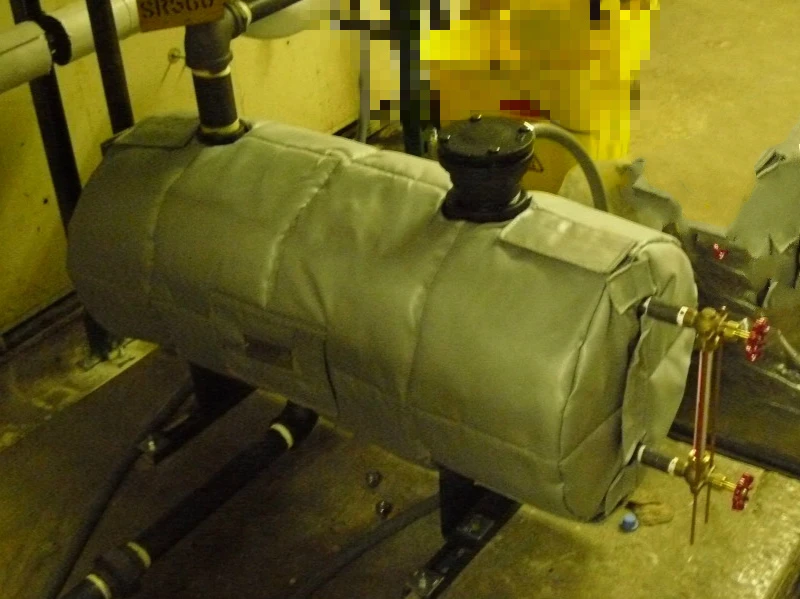
How to Choose the Right Pipe Insulation
Choosing the right pipe insulation can be a daunting task, especially with the variety of materials and options available. Whether you’re trying to prevent pipes from freezing during chilly winters or aiming to conserve energy in your heating systems, the right insulation can make a significant difference. This guide will walk you through the key considerations and options to help you make an informed decision.
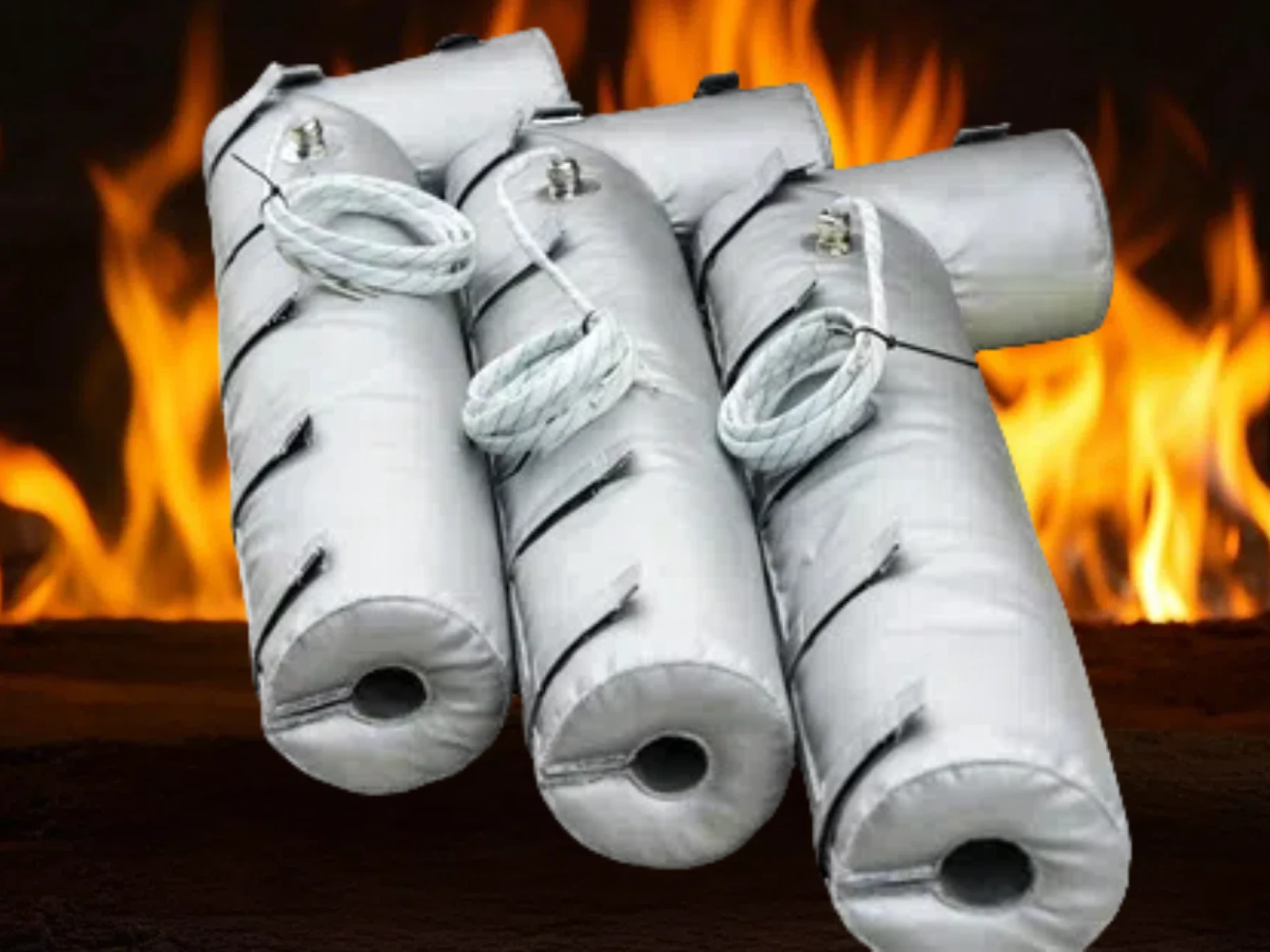
Pipe insulation is vital for both residential and commercial properties. It minimizes heat loss and protects pipes from extreme temperatures. Insulation acts as a barrier between the pipe’s surface and the external environment, ensuring that the internal temperature of the fluid within the pipes is maintained. This not only enhances energy efficiency but also mitigates the risk of pipe damage from environmental factors.
There are various types of pipe insulation, each suited to specific needs and environments. The choice of material depends largely on the conditions the pipes are exposed to, such as indoor versus outdoor placement, temperature fluctuations, and exposure to moisture. Additionally, the type of fluid being transported through the pipes can also influence the insulation choice, as some fluids may require more robust insulation solutions.
Benefits of Pipe Insulation
Insulating your pipes can lead to numerous benefits, including:
- Energy Efficiency: Reduces heat loss and lowers energy bills. Efficient insulation ensures that less energy is required to maintain the desired temperature of the fluid within the pipes, leading to significant savings over time. This is particularly beneficial in large buildings or industrial settings where energy costs can be substantial.
- Freeze Protection: Prevents pipes from freezing and bursting in cold weather. In regions where temperatures drop below freezing, pipe insulation is crucial to avoid costly repairs and potential water damage. The insulation acts as a protective layer, reducing the likelihood of ice formation within the pipes.
- Condensation Control: Reduces moisture buildup on pipes, preventing rust and corrosion. Moisture can lead to various issues, including structural damage and mold growth. Insulation helps maintain a consistent temperature, reducing the chances of condensation forming on pipe surfaces.
- Noise Reduction: Dampens the sound of water running through pipes. This is particularly important in multi-story buildings or residential areas where noise can be a disturbance. The insulation absorbs sound vibrations, contributing to a quieter environment.
Types of Pipe Insulation
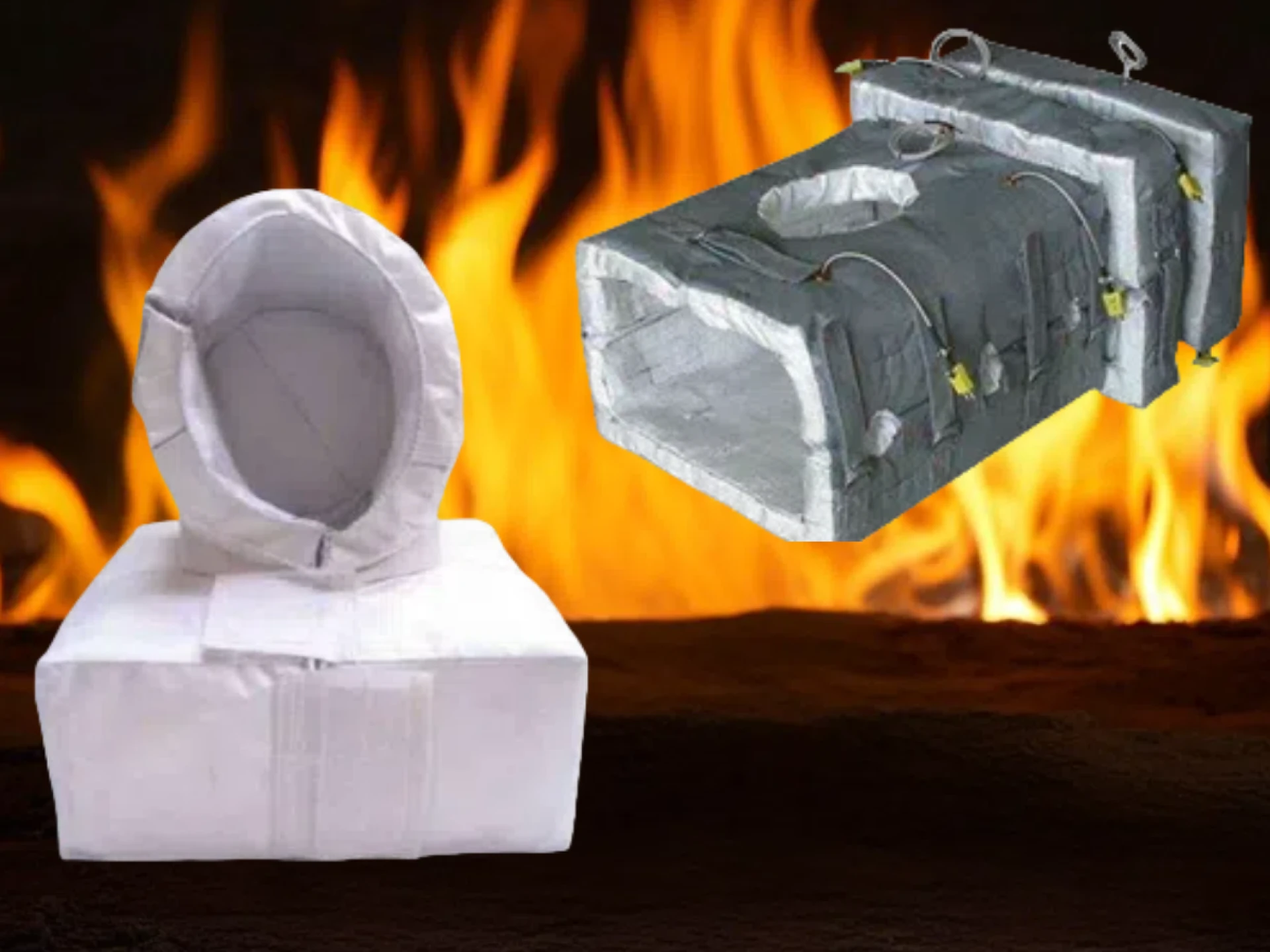
Foam Pipe Insulation
Foam pipe insulation is popular due to its affordability and ease of installation. Foam tubes, often made from polyethylene or polyurethane, are ideal for both hot and cold pipes. They are lightweight and easy to handle, making them a preferred choice for many DIY enthusiasts and professionals alike.
Styrofoam Pipe Insulation
Styrofoam insulation is known for its high insulating value and moisture resistance. It’s often used for outdoor pipes where protection from the elements is needed. The rigid structure of styrofoam provides a snug fit that effectively shields pipes from temperature extremes.
Insulation Jackets and Wraps
Insulation jackets and wraps are versatile and can be used on various pipe sizes and shapes. They provide an additional protective layer for pipes exposed to harsh environments. These types of insulation are particularly useful in industrial settings where pipes may be subject to mechanical damage or chemical exposure.
- Insulation Jackets: Often used for larger pipes and industrial applications. These jackets are designed to withstand extreme conditions, providing robust protection against temperature variations and physical impacts. They are typically made from durable materials that can endure harsh industrial environments.
- Exterior Pipe Insulation Wrap: Ideal for outdoor pipes, providing flexibility and ease of installation. These wraps are designed to conform to the shape of the pipes, ensuring comprehensive coverage. Their flexibility makes them easy to apply and adjust, even on irregularly shaped pipes.
Installation Tips
Regular maintenance of your pipe insulation can prolong its lifespan and efficiency. Just like any other component of your property, insulation requires upkeep to ensure it remains effective over time.
- Inspect Regularly: Check for any signs of wear, damage, or moisture buildup. Early detection of issues can prevent more significant problems down the line, saving time and money on repairs.
- Replace as Needed: If insulation becomes damaged or worn, replace it promptly to maintain effectiveness. Damaged insulation can lead to increased energy costs and potential damage to the pipes themselves.
- Protect from Weather: Use additional coverings or barriers for outdoor pipes exposed to harsh weather conditions. These extra protective measures can prolong the insulation’s life and maintain its insulating properties.
Conclusion
Choosing the right pipe insulation involves understanding your specific needs and the environmental conditions your pipes face. With the right materials and proper installation, you can enhance your system’s efficiency, protect against extreme temperatures, and prolong the lifespan of your pipes. Whether you opt for foam pipe insulation, styrofoam covers, or insulation jackets, make sure your choice aligns with your goals for energy conservation, freeze protection, and moisture control.
If you want to know more about pipe insulation, please pay attention to Petersburg’s daily updates. We will update the latest news every day, so stay tuned!























Sign in to leave a comment.