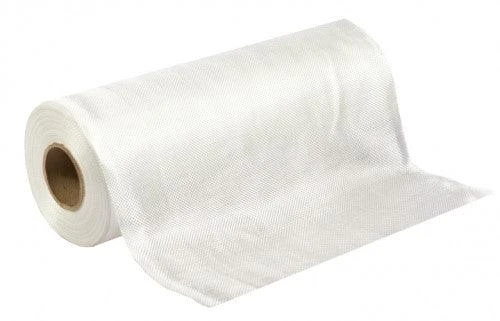
Learn About Fiberglass Insulation Blankets
What is Fiberglass Blanket Insulation?
Fiberglass insulation blankets, sometimes called fiberglass blankets, are made of interwoven glass fibers bonded into a flexible mat. Commonly used for floor insulation, house insulation, and exterior wall insulation.
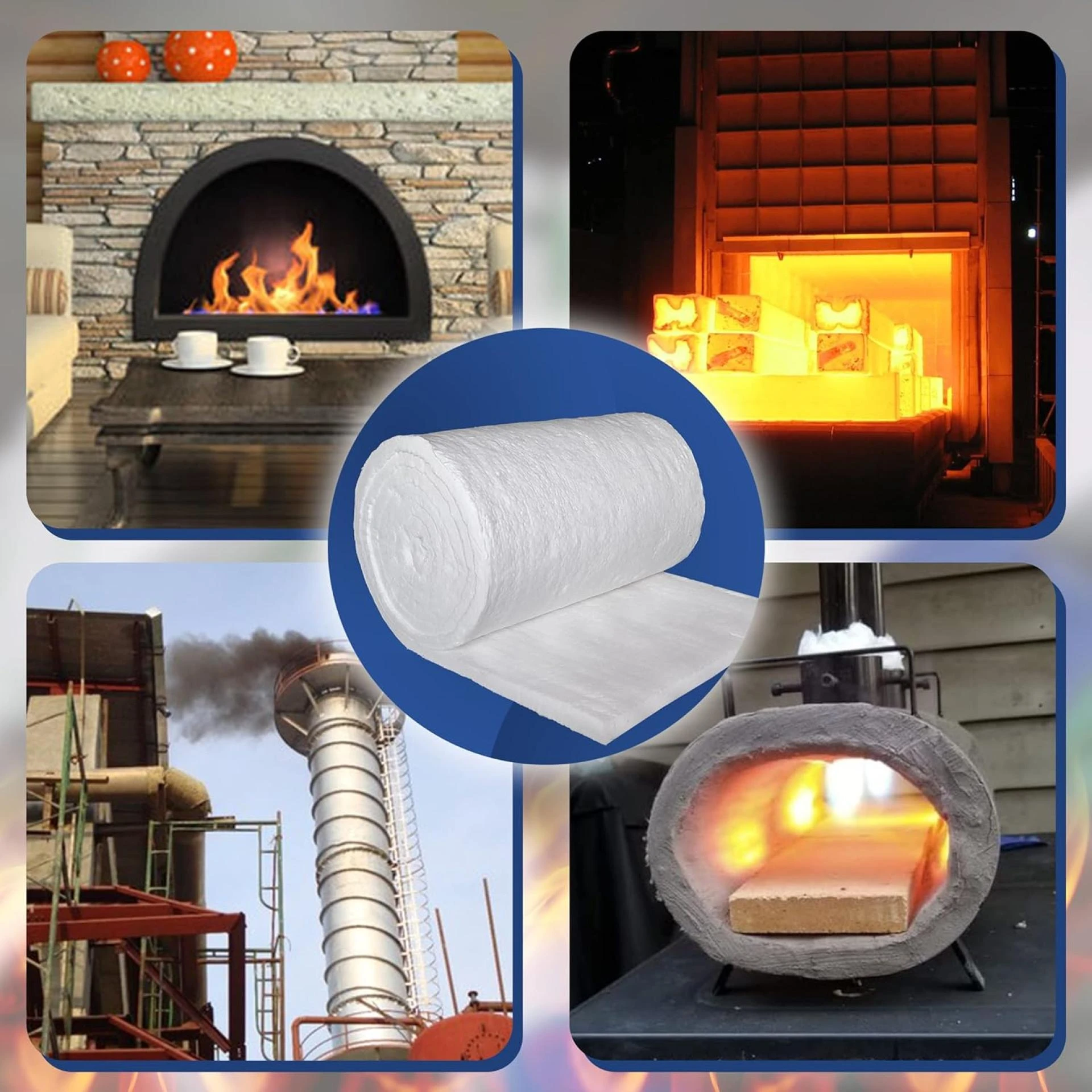
Provides lightweight, cost-effective, energy-efficient insulation. Ideal for high-temperature applications, such as steam duct insulation or high-temperature insulation. Specialized high-temperature insulation fiberglass blankets maintain integrity in temperatures up to 650°C.
Benefits of Fiberglass Blanket Insulation
Versatile: Available in rolls or custom sizes. Suitable for wall insulation blankets, basement wall fiberglass insulation blankets, and metal building fiberglass insulation blankets.
Thermal Performance: R-values per inch range from R-2.9 to R-4.3. Making it one of the best insulation materials for maintaining year-round comfort and reducing HVAC loads.
Acoustic Insulation: The fiber structure also dampens noise, providing sound insulation for office and residential spaces.
Moisture Resistance: Unlike some insulation materials, fiberglass does not absorb water, which can prevent mold growth if installed correctly.
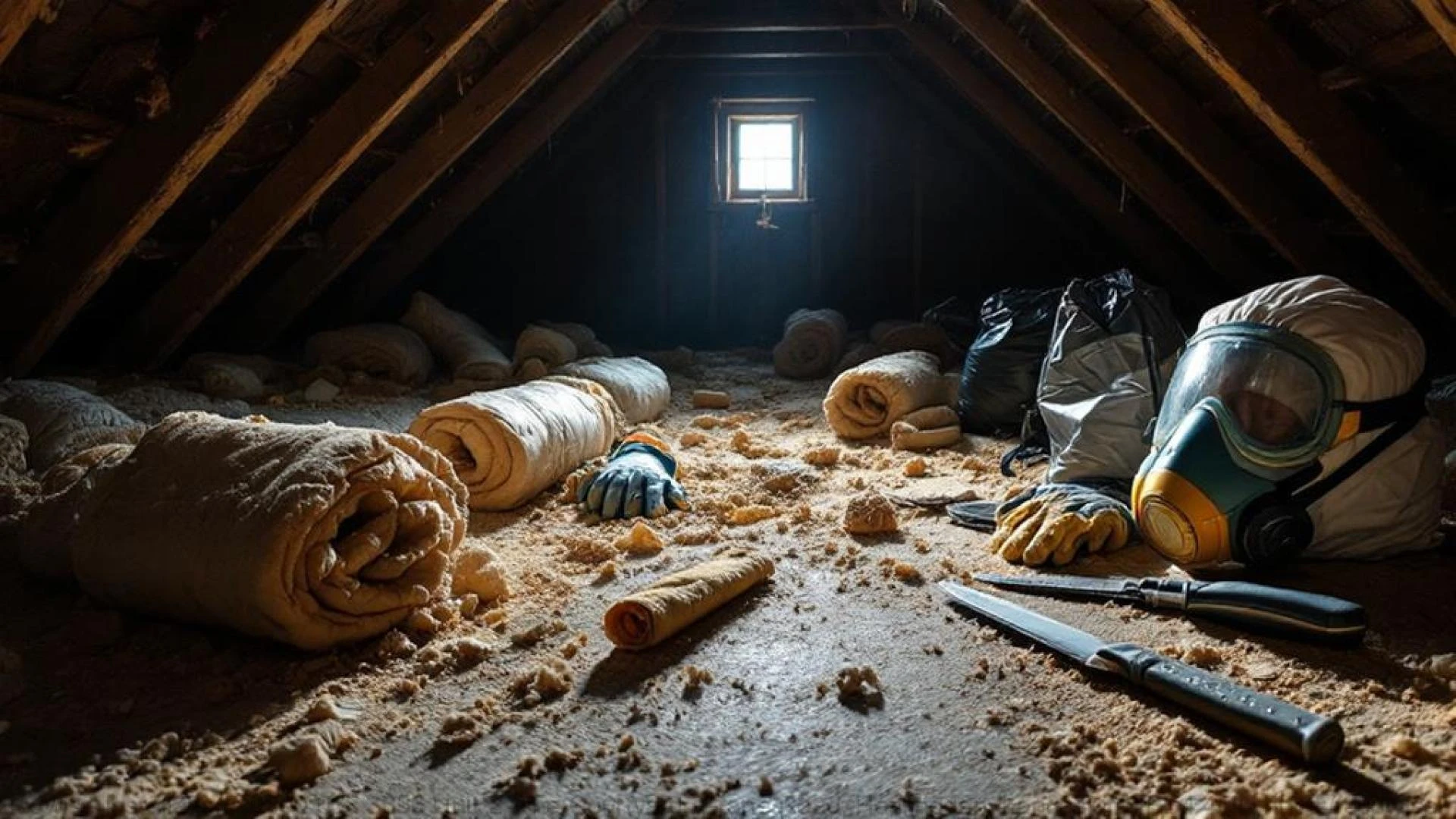
Inspect Your Insulation
When to Inspect
Regular inspections (at least annually) are recommended for all types of insulation, including batt and blanket insulation. Inspections should also be performed after severe weather events or if you notice a spike in your electric bill, which may indicate that the insulation is deteriorating.
Signs of Wear
Visible tears or compression
Discoloration or staining
Unusual airflow or hot spots
Odors and mold
Maintaining Fiberglass Blanket Insulation
Cleaning Tips
Dry Dusting: Use a soft brush to remove dust from the insulation blanket. Avoid applying pressure to the fibers.
Vacuuming: Vacuuming helps remove embedded dirt. In occupied spaces, lay insulation blankets for walls.
Spot Cleaning: For minor stains, gently wipe the cloth with a mild detergent solution. Avoid soaking the fiberglass blanket to maintain its hydrophobic properties.
Repair Damage
Repair Kits: Small tears can be repaired with a fiberglass repair kit. Use a resin-impregnated cloth and allow to cure as directed.
Replacing Insulation Batts: For blanket insulation in walls or ceilings. Remove damaged batts and insert new fiberglass blanket strips cut to size. Ensure a snug fit and avoid pinching.
Seal Gaps: For fiberglass blanket insulation in metal buildings, use a non-hardening sealant around the edges and seams. This prevents air gaps that could affect the energy-saving insulation performance.
Maintaining Blanket Wall Insulation
When maintaining wall insulation, pay attention to common penetration points such as electrical sockets, pipes and recessed lighting. After cleaning or repairs:
Reinstall vapor barrier and wall lining to maintain moisture and air control layers.
Check that all joints overlap by 50 mm and seal with approved insulation tape.
Upgrading Your Insulation
Insulation Types to Consider
When an upgrade is needed, evaluate your application to choose:
Blanket Insulation (batt/roll): Cost-effective for wall insulation, attic floor insulation, and floor insulation.
Spray Foam Insulation: Excellent sealability, but higher cost.
Rigid Board Insulation: Great for exterior wall insulation and high-temperature foam insulation in industrial settings.
For piping, boiler, and automotive systems requiring high insulation, consider: Ceramic fiber blankets for applications over 1000°C. Silicone-coated fiberglass for outdoor high-temperature insulation and moisture resistance.
Follow these maintenance tips to ensure your blankets remain effective, safe, and energy-efficient in your application. From water heater blanket wraps to acoustic and thermal insulation for living spaces, we have you covered. For quality insulation and expert support, trust Petersburg. We are your local partner for world-class fiberglass blanket insulation.

























Sign in to leave a comment.