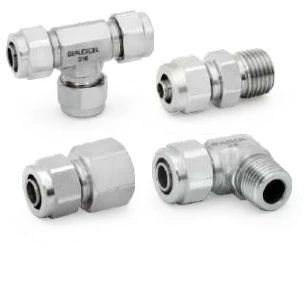

Selecting the appropriate pneumatic connector size is a critical step in designing reliable and efficient automation systems. Improper sizing can lead to pressure loss, reduced efficiency, and potential system failures. Whether setting up a new manufacturing line or upgrading existing equipment, understanding the key factors behind correct pneumatic connection sizing ensures optimal performance and longevity of the system. This guide explores the essential aspects of selecting the right connector size, helping engineers and technicians make informed decisions for their pneumatic applications.
Understanding the Role of Pneumatic Connectors in Automation Systems
Pneumatic connectors serve as the critical link between compressed air lines and various automation components. They facilitate quick, secure, and efficient connections, enabling seamless operation of machinery and tools. Properly sized connectors help maintain consistent air pressure, reduce energy consumption, and prevent leaks that could compromise system performance.
Factors Influencing Connector Size Selection
Choosing the right size involves multiple considerations. The primary factor is flow rate requirements, which depend on the type of equipment and the volume of compressed air needed for operation. A connector that is too small may cause undue pressure drops, affecting the efficiency of pneumatic tools. Conversely, an excessively large connector might be unnecessary, leading to increased costs and, in some cases, poor sealing or inefficient airflow at low velocities.
Other factors include the pressure rating of the system, the type of media conveyed, and the environmental conditions. In food processing or dairy applications, size selection must also align with hygienic stainless steel connectors designed to meet food-grade standards.
Calculating Optimal Connector Size
Accurate calculation of the appropriate pneumatic connector size involves analyzing the system's flow rate, pressure, and the pipe's length. Standard charts and engineering formulas can help determine the ideal bore diameter to minimize pressure loss and ensure smooth airflow. When dealing with high-pressure systems, selecting high-pressure fittings designed to withstand the operational stresses is essential for safety and reliability.
In situations where systems require frequent disconnections, push-in fittings and quick-connect fittings are favored for their ease of use and quick assembly.
Material Considerations for Connector Sizing
Material choice plays a significant role in connector sizing, especially in harsh or specialized environments. Stainless steel air fittings are highly resistant to corrosion and are suitable for applications involving moisture, chemicals, or food contact. For industries like food and beverage, food-grade stainless steel fittings and hygienic fittings for food processing are essential to meet cleanliness and safety standards.
The use of industrial pneumatic connectors made from stainless steel ensures longevity and consistent performance, reducing the need for frequent replacements. This is particularly advantageous in sectors such as dairy and food processing, where hygiene and durability are paramount.
Standard Sizes and Industry Norms
Manufacturers typically produce pneumatic fittings in standard sizes, which facilitates compatibility across different systems and components. Common sizes range from small bore diameters suitable for precision applications to larger diameters for heavy-duty industrial use. For industries requiring high pressure or specialized connections, larger sizes are often preferred to accommodate higher flow rates. It is crucial to select a size that aligns with the system's operational parameters to optimize performance and reduce potential points of failure.
Compatibility with Various Fitting Types
Different types of fittings serve specific functions within pneumatic systems. Push-to-connect fittings and push-in tube fittings are popular choices for their simplicity and speed of installation. These fittings often come in various sizes, and selecting the right size ensures secure connections without excessive force or risk of disconnection.
Similarly, pneumatic quick-connect couplings are ideal for applications requiring frequent disconnection and reconnection. Their sizes must match the tubing and system specifications to prevent pressure drops and maintain system integrity.
Maintenance and Future Expansion
Choosing the correct pneumatic connector size also simplifies maintenance and future system upgrades. Standardized sizes facilitate easier replacement and compatibility with new components. As systems evolve, ensuring the connectors can handle increased flow rates or pressure levels prevents costly modifications later.
In industries like food processing or dairy production, using stainless steel dairy fittings and food processing equipment fittings in the right sizes guarantees continuous operation without frequent interruptions due to fitting failures or mismatches.
Unlock the full potential of your pneumatic systems with the right fittings.
For specialized needs like food-grade stainless steel fittings, hygienic connectors, or high-pressure fittings, seeking expert guidance is essential. A trusted push-in fittings supplier in Mumbai or a trusted supplier of industrial pneumatic connectors in Mumbai can provide tailored solutions that enhance efficiency and reliability.
Sealexcel offers a comprehensive range of stainless steel pneumatic fittings manufactured in Mumbai, specializing in high-quality, NSF-approved components suitable for demanding applications. Explore their offerings and ensure your automation system operates flawlessly by visiting their site or calling them.
About the Author
Jane Mitchell is a mechanical engineer specializing in pneumatic and fluid systems. She has over 15 years of experience designing industrial automation solutions across various sectors, including food processing and manufacturing.






























Sign in to leave a comment.