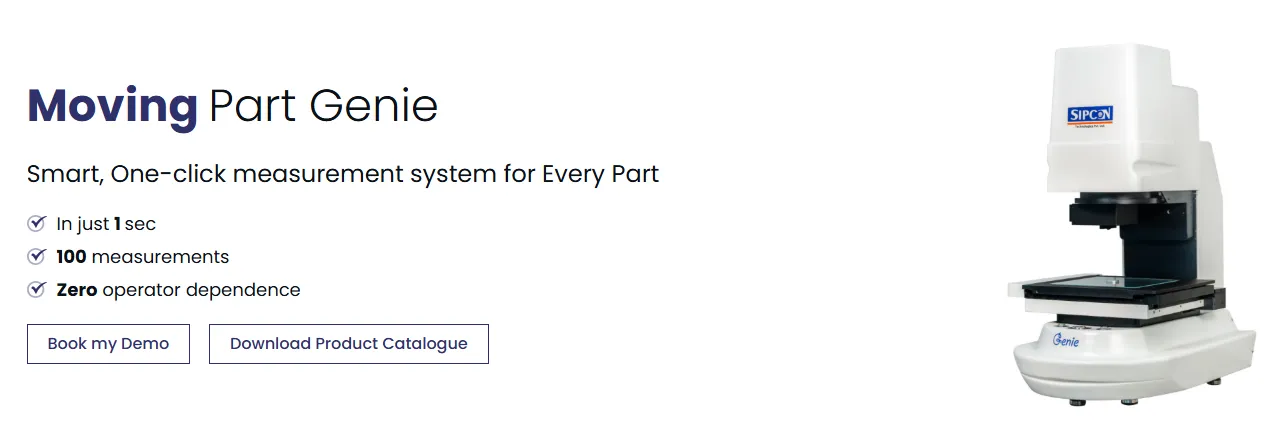

There's a moment in every industrial lab where a single number decides how a liquid gets stored, shipped, and handled for the rest of its life. That number is the flash point, and the instrument that produces it — the flash measurement system — rarely gets the attention it deserves until something goes wrong.
Talk to anyone who has spent time around fuel testing, solvent production, or lubricant manufacturing, and they'll tell you the same thing: flash point data isn't a formality. It's the line between a substance being classified as flammable or combustible, between a shipment clearing customs or getting flagged, between a warehouse passing an audit or facing a shutdown. Getting that number right, consistently, is the entire job of a flash measurement machine.
What a Flash Measurement System Actually Does
At its core, a flash measurement system heats a liquid sample under controlled conditions and identifies the exact temperature at which its vapours ignite momentarily when exposed to a flame or spark. That temperature — the flash point — is governed by internationally recognised test methods, most commonly ASTM D93 (Pensky-Martens Closed Cup), ASTM D92 (Cleveland Open Cup), ASTM D56 (Tag Closed Cup), and IS 1448 for Indian-standard petroleum products.
What separates a good flash measurement machine from a mediocre one isn't the basic principle — it's the consistency. Two labs testing the same sample should arrive at the same result, every time, regardless of who's operating the equipment. That's where engineering quality, sensor calibration, and heating precision start to matter far more than most buyers initially realise.
Why This Instrument Carries More Weight Than It Looks
It's easy to think of flash point testing as a routine box-ticking exercise. In practice, it influences decisions across an entire operation.
Storage tank design depends on it. Ventilation requirements depend on it. Dangerous goods classification for road, rail, and sea transport depends on it. Insurance underwriters reference it when calculating premiums for facilities holding flammable stock. And in petroleum, paint, and chemical manufacturing, a flash point that drifts from batch to batch is often the earliest sign of contamination, incorrect blending, or a supply chain issue upstream.
In other words, the humble flash point tester sitting in the corner of a QC lab is quietly protecting people, assets, and compliance status all at once. Facilities that treat it as an afterthought tend to discover its importance the hard way — during an audit, an incident investigation, or a rejected export shipment.
The Different Machine Types, and Why the Choice Isn't One-Size-Fits-All
Not every sample behaves the same way under heat, which is why flash measurement machines come in several configurations rather than a single universal design.
Closed cup testers, such as Pensky-Martens and Abel apparatus, contain the vapour within the test chamber and are typically specified for fuels, diesel, kerosene, and other lower flash point liquids where vapour loss would distort results. Open cup testers, like the Cleveland Open Cup, leave the sample exposed to air and are better suited to higher flash point materials such as lubricating oils, bitumen, and waxes.
Then there's the question of automation. Manual testers still have a place in smaller labs with lower testing volumes and tighter budgets, but they depend heavily on operator technique — timing the heating rate, watching for the flash, recording the result by hand. Automatic flash point testers remove that variability. They control heating rate electronically, detect ignition through a sensor rather than a human eye, and log results digitally, which matters enormously when a facility is running dozens of samples a week and needs an audit trail to match.
The right choice comes down to sample type, testing frequency, staffing, and how tightly your industry's compliance requirements are enforced — not simply which machine looks the most advanced on a spec sheet.
What Actually Drives Flash Measurement System Price
This is usually where the real decision-making begins, and it's worth being direct about it: flash measurement system price varies significantly, and the gap is rarely arbitrary.
Automation level is the biggest factor. A fully automatic system with digital heating control, sensor-based flash detection, and built-in data logging costs more upfront but reduces labour hours and operator error over time — often paying for itself in labs running high sample volumes.
Standards compliance adds cost too. A machine engineered and certified to meet multiple test methods (ASTM, IP, IS) involves more precise manufacturing than a single-standard unit, and that precision shows up in the price.
Build quality matters more in Australia than buyers sometimes expect. Coastal humidity and variable lab conditions can accelerate wear on lower-grade components, so stainless steel construction and corrosion-resistant fittings are worth paying for rather than treating as optional extras.
Finally, the manufacturer's support structure factors into total cost of ownership. A cheaper machine with no local calibration service, slow spare parts turnaround, or unreliable warranty support often ends up costing more over its lifetime than a slightly pricier instrument backed by responsive local service.
Choosing a Flash Measurement System Manufacturer You Can Actually Rely On
This is the part that gets overlooked most often. Buyers compare specifications and price tags, but the manufacturer relationship is what determines whether that instrument stays accurate and operational for the next five to ten years.
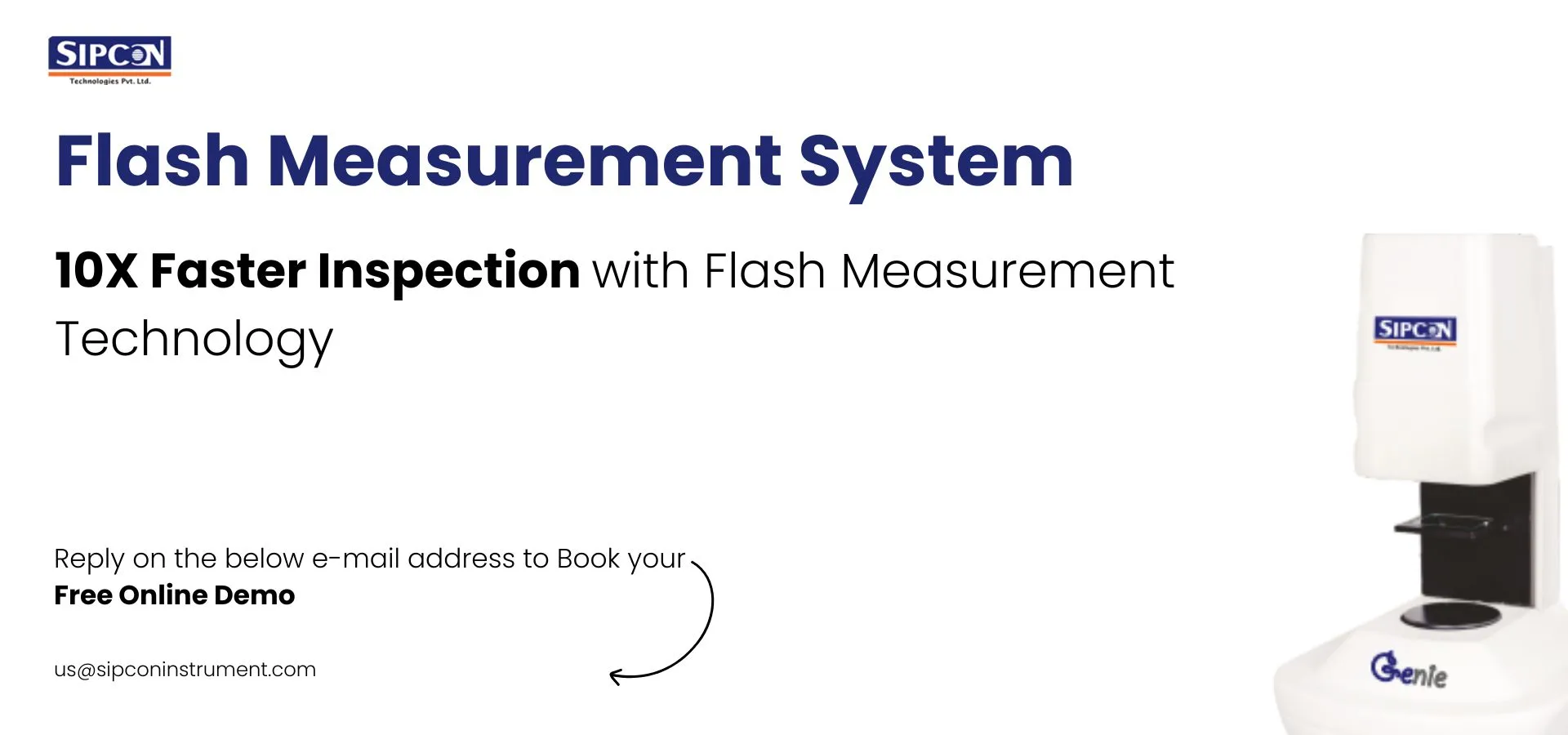
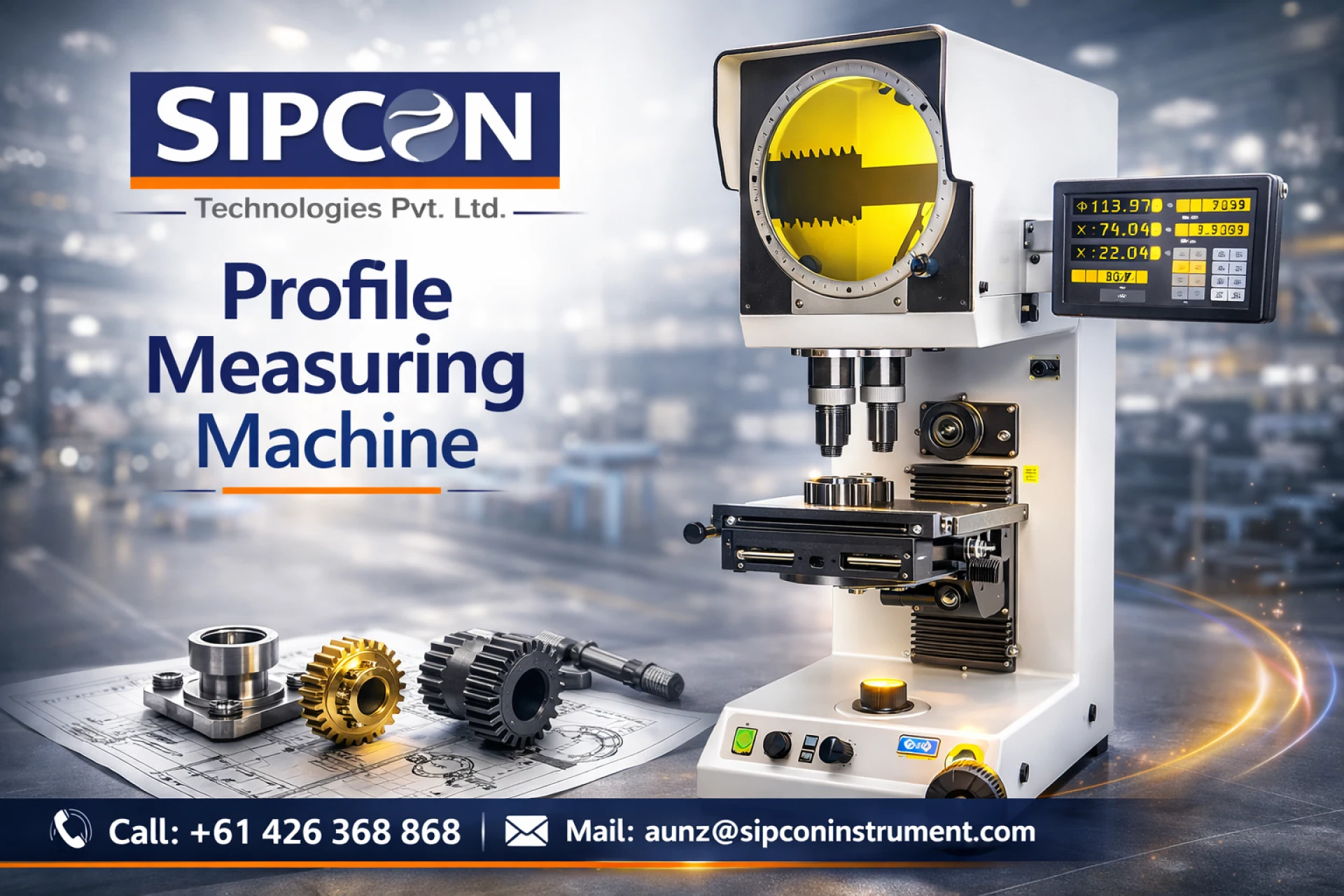
Sipcon has built its reputation among flash measurement system manufacturers around exactly this long-term reliability. Every instrument is engineered to meet recognised international standards, built with industrial-grade materials suited to demanding lab and plant environments, and backed by direct support across Australia and New Zealand rather than routing customers through overseas call centres.
For facilities weighing manual versus automatic systems, or trying to understand where their budget is best spent, Sipcon works through the requirements directly — sample types, testing volume, compliance standard, and site conditions — before recommending a configuration. Pricing is presented transparently, with no ambiguity about what's included in installation, training, or ongoing calibration support.
Where This Equipment Earns Its Keep
Flash measurement systems are standard equipment across oil and gas testing labs, paint and coatings production, pharmaceutical and chemical manufacturing, automotive lubricant testing, petrochemical quality assurance, and independent certification laboratories. Any facility working with flammable or combustible liquids will eventually need one, and the difference between a well-chosen instrument and a poorly matched one shows up in every result that follows.
Get the Right System for Your Lab
Choosing between manual and automatic, closed cup and open cup, or comparing flash measurement system price against long-term value isn't something to figure out alone. Sipcon's team works directly with labs across Australia and New Zealand to match the right instrument to the right application.
📞 Call +61 426 368 868 📧 Email [email protected]
Get in touch for a straightforward conversation about your testing requirements, budget, and compliance needs — and find a flash measurement system built to hold up under real-world use.


























Sign in to leave a comment.