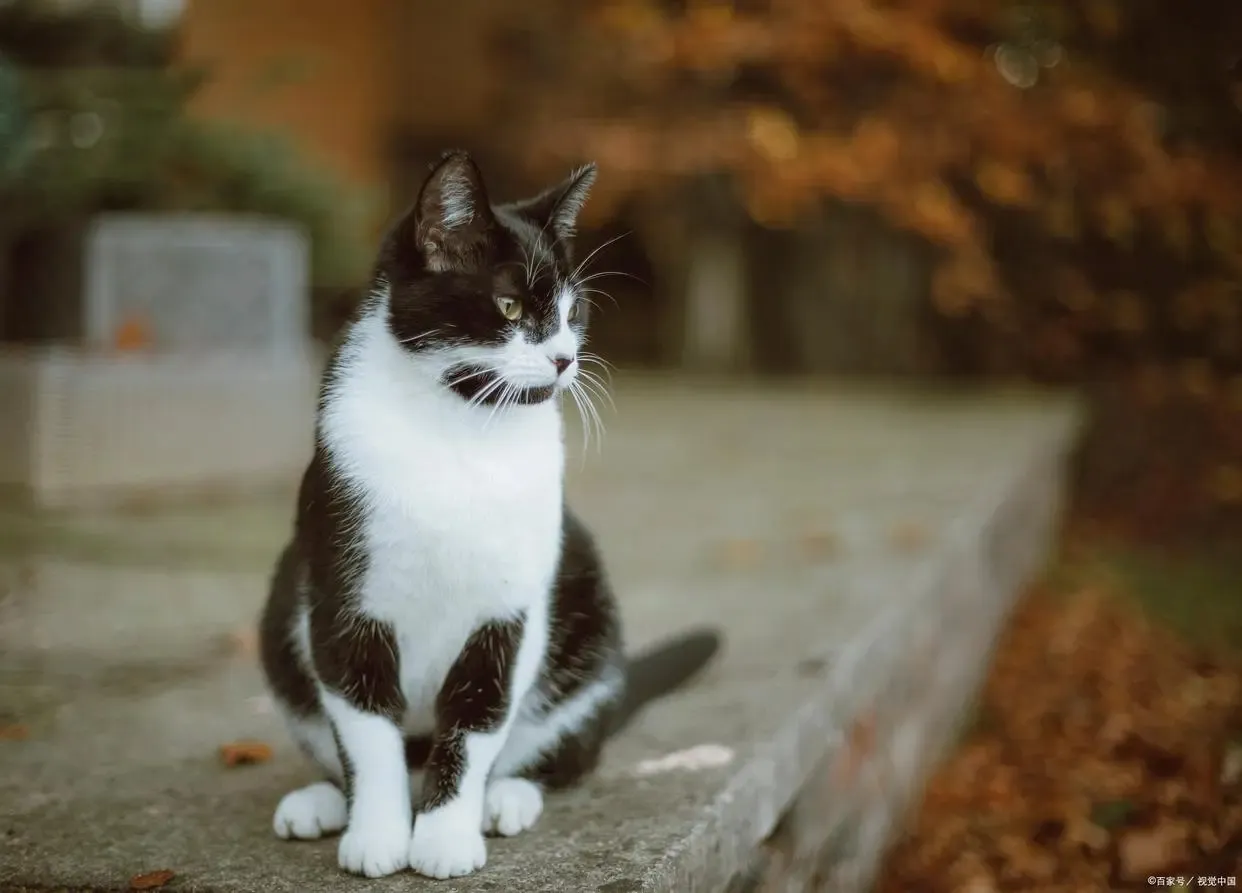

It’s that time of year again — the weather is warming up, flowers are blooming, and something strange seems to be floating through your home.
At first glance, it looks like snow.
But wait… it’s not snow.
It’s your pet’s fur.
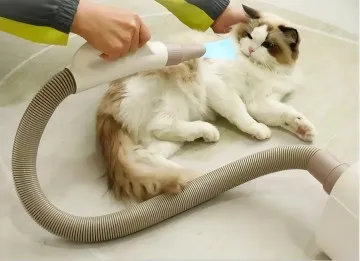
If you share your home with a dog or cat, you probably know the feeling. Spring arrives, and suddenly your furniture, clothes, and floors are covered in fluffy little reminders that your furry friend is changing coats.
The good news? Shedding is usually completely normal. In fact, it’s one of the ways pets naturally adjust to seasonal changes.
But how much shedding is too much? And when should you be concerned?
Let’s take a closer look.
Why Do Dogs and Cats Shed More in Spring?
Spring is one of the biggest shedding seasons for many pets.
As temperatures rise and daylight hours increase, dogs and cats may begin losing their thicker winter coats and growing a lighter coat that helps them stay comfortable during warmer months.
This process is called seasonal shedding, and it’s especially noticeable in pets with thick or double coats, such as:
- Golden Retrievers
- Huskies
- German Shepherds
- Maine Coons
- Other long-haired breeds
While outdoor pets are often more affected by seasonal changes, indoor cats and dogs can also shed throughout the year because artificial lighting and indoor temperatures can influence their natural shedding cycles.
Seasonal shedding is normal — but it’s not the only reason your pet may lose fur.
Pets may also experience changes in shedding during:
- Pregnancy or nursing
- Hormonal changes
- Aging
- Stress
- Changes in routine
When Is Shedding a Sign of a Problem?
A little extra fur around your home is normal.
However, if your pet is losing large amounts of hair, developing bald spots, or showing signs of skin irritation, it may be more than normal shedding.
Excessive shedding or noticeable hair loss can sometimes be linked to underlying health issues.
Here are some common causes:
Skin Problems and Allergies
Skin conditions are one of the most common reasons pets lose more fur than usual.
Issues such as:
- Allergies
- Fleas and parasites
- Bacterial infections
- Fungal infections
can affect your pet’s skin and coat.
You may also notice other symptoms, including:
- Excessive scratching
- Red or irritated skin
- Licking or chewing certain areas
- Dry or flaky skin
If these symptoms continue, it’s best to check with your veterinarian.
Poor Nutrition
A healthy coat starts from the inside.
If your pet’s diet does not provide enough high-quality protein, essential fatty acids, or other important nutrients, their coat may become:
- Dull
- Dry
- Brittle
- More prone to shedding
Feeding a complete and balanced pet food designed for your dog or cat’s life stage is one of the best ways to support healthy skin and fur.
Over-Bathing
Keeping your pet clean is important, but too many baths can sometimes do more harm than good.
Frequent bathing may remove natural oils from your pet’s skin, which can lead to dryness and irritation.
The right bathing schedule depends on:
- Your pet’s breed
- Coat type
- Lifestyle
- Skin condition
When bathing is needed, always use a shampoo specifically made for pets.
Harsh Grooming Products
Not all grooming products are created equal.
Human shampoos and strong cleaning products may irritate your pet’s skin and affect their coat health.
Choose gentle, pet-safe grooming products that are designed for your dog or cat.
How to Tell Normal Shedding From Excessive Hair Loss
Normal shedding usually means:
✅ Loose fur coming out evenly
✅ More hair during seasonal changes
✅ No skin irritation or bald patches
Signs that may require attention include:
❌ Bald spots
❌ Sudden heavy hair loss
❌ Constant scratching
❌ Skin redness or sores
❌ Changes in behavior or appetite
When in doubt, your veterinarian can help determine whether your pet’s shedding is normal or something that needs treatment.
More pet Industry news: Kitten-Socialization-101





























Sign in to leave a comment.