
Tiles play a huge role in how a space looks and performs — especially in commercial buildings where thousands of people walk through every week. Whether it’s an office, café, hotel, or shopping area, choosing the right tile is about much more than style. It’s about durability, safety, and the right first impression.
This guide explains everything you need to know about choosing the right tiles for commercial projects. We’ll go through what makes tiles ideal for high-traffic areas, how to choose by purpose and location, and what to keep in mind before installation. By the end, you’ll have a clear idea of how to make smart, long-lasting tile choices that look great and work even better.
Why Tile Works So Well in Commercial Spaces
Tiles are one of the most practical materials for commercial interiors. They look professional, last for years, and come in endless styles. But most importantly, they handle wear and tear better than almost any other surface.
Here’s why they’re a top choice for business spaces:
- Durability: Quality tiles can handle constant foot traffic without losing color or shine.
- Easy to Clean: Spills, dirt, and dust can be wiped off quickly — perfect for restaurants and offices.
- Moisture Resistant: Ideal for bathrooms, kitchens, or areas exposed to humidity.
- Hygienic: Tiles don’t trap bacteria or odors, making them perfect for healthcare and food spaces.
- Design Variety: You can match any interior theme — from rustic to modern minimalism.
- Sustainability: Many tiles are made from natural materials and are recyclable.
Because of all these benefits, tiles are a cost-effective long-term investment for any commercial property.
Understanding Different Types of Commercial Tiles
When choosing tiles for business or public spaces, knowing your materials is essential. Each type offers unique benefits.
1. Porcelain Tiles
Porcelain is the strongest and most popular option for commercial use. It’s dense, durable, and resistant to stains and water. Porcelain tiles can handle high traffic, making them ideal for malls, hotels, and offices.
Use porcelain tiles:
- In entryways and reception areas
- On restaurant floors
- In hotel lobbies and corridors
Porcelain tiles come in polished, matte, and textured finishes. The matte or textured types are better for safety in public areas.
2. Ceramic Tiles
Ceramic tiles are a bit softer than porcelain but still durable. They’re ideal for walls and areas that don’t experience heavy foot traffic. For example, restaurants often use ceramic tiles for backsplashes, while offices use them on walls for easy cleaning.
Ceramic tiles are also more affordable, making them a good option when you want to keep costs down but maintain a professional look.
3. Natural Stone Tiles
For luxury hotels, showrooms, or offices, natural stone tiles such as marble, granite, or slate make a bold statement. Each piece is unique, giving your space personality and prestige.
However, natural stone needs regular sealing and maintenance. It’s best for areas where you want a high-end look and can manage some upkeep.
4. Vinyl and LVT (Luxury Vinyl Tile)
Vinyl tiles are popular for commercial renovations because they’re flexible, cost-effective, and easy to install. They mimic the look of stone or wood but are softer underfoot. LVT is especially good for offices and retail stores where comfort and warmth matter.
5. Quarry and Cement Tiles
These tiles are durable and slip-resistant, which makes them perfect for industrial kitchens, garages, and outdoor areas. Quarry tiles have a natural red tone, while cement tiles can be customized in many colors and patterns.
How to Choose the Right Tile by Space
Not all commercial areas face the same challenges. The best tile for an office isn’t the same as for a restaurant or hospital. Here’s how to choose based on where it will be used.
Office Buildings and Workspaces
For offices, you need tiles that balance professional appearance and practicality. The flooring should look clean, stylish, and easy to maintain.
- Choose large-format porcelain tiles in neutral colors like gray, beige, or white.
- For common areas, matte finishes work best because they hide dirt and reduce glare.
- Consider acoustic tiles or softer underlays in conference rooms to lower noise.
The goal is a calm and professional environment that impresses clients and feels comfortable for employees.
Retail Stores and Shopping Centers
Stores and malls experience thousands of footsteps daily. Flooring here must resist scratches, stains, and heavy loads.
- Go with high-density porcelain or vitrified tiles for durability.
- Use anti-slip finishes near entrances or changing areas.
- Select colors that enhance lighting and display products attractively.
Patterned or textured tiles can guide customers naturally through aisles or highlight special zones.
Restaurants and Cafés
Restaurant floors take spills, grease, and constant traffic. You need tiles that are easy to clean, non-slip, and stylish.
- Porcelain tiles with a matte or textured surface are ideal for dining areas.
- Use darker tones to hide stains.
- In kitchens, go for commercial-grade anti-slip tiles that meet safety standards.
- Walls near cooking areas can use ceramic tiles for quick cleaning.
A well-chosen tile not only keeps your restaurant safe but also adds character to the space.
Hotels and Hospitality
Hotels combine beauty with endurance. Tiles here must look luxurious but handle luggage wheels, cleaning carts, and daily guests.
- Use polished porcelain or natural stone tiles in lobbies and reception zones.
- For bathrooms and spas, pick non-slip tiles with a soft matte finish.
- Choose subtle patterns that create a calm, elegant atmosphere.
Consistency matters — using similar tones throughout the hotel gives a smooth, high-end feel.
Healthcare and Wellness Spaces
Hospitals, clinics, and wellness centers demand hygiene above all. Tiles should resist bacteria, chemicals, and moisture.
- Use glazed porcelain or ceramic tiles for walls and floors.
- Keep grout lines narrow for easy cleaning.
- Choose light colors that make rooms look bright and clean.
Safety flooring with anti-slip surfaces is also essential in treatment or wet areas.
Industrial and Warehouse Areas
Factories and warehouses need heavy-duty flooring that can withstand machinery, wheels, and weight.
- Choose thick, unglazed porcelain or cement tiles.
- Look for anti-slip textures to prevent accidents.
- Darker shades hide marks and wear better.
Durability is more important here than decoration, but with the right design, even industrial floors can look neat and organized.
Bathrooms and Changing Rooms
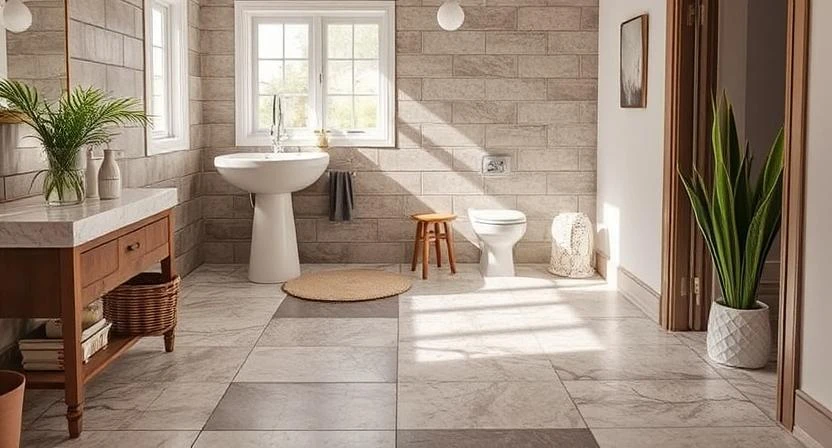
Bathrooms in commercial buildings experience frequent use. Moisture, soap, and cleaning chemicals can damage poor-quality tiles, so invest in something strong.
- Use porcelain or ceramic tiles that are water-resistant and easy to disinfect.
- Non-slip finishes help prevent falls.
- Choose simple patterns and neutral colors for a clean, modern look.
Many property managers find inspiration by browsing Bathroom tiles in Toronto, as the region offers durable, stylish options for both public and private projects.
Kitchens and Food Service Areas
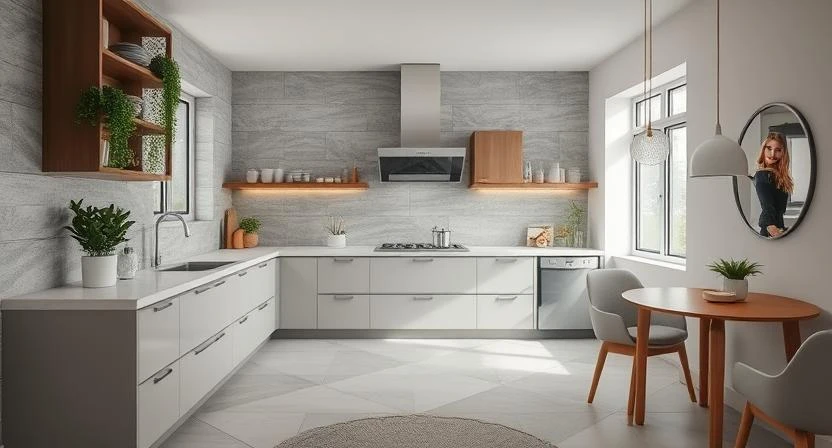
Commercial kitchens need tiles that handle heat, grease, and moisture. Walls and floors both need easy-to-clean materials.
- Use porcelain or quarry tiles on the floor for safety and longevity.
- For walls and backsplashes, ceramic tiles are ideal.
- Light colors make it easier to spot dirt and maintain hygiene.
Local businesses often look for Kitchen Tiles in Scarborough because they offer good grip, long life, and excellent hygiene for busy environments.
Design and Aesthetic Tips for Commercial Tiles
Function is key in commercial spaces, but design matters too. The right tile can define your brand and make customers feel welcome.
Here are a few design ideas to consider:
1. Go Neutral for Timeless Appeal
Neutral colors like beige, gray, and white never go out of style. They make spaces feel larger and more professional. They also match with almost any décor.
2. Use Texture to Add Character
Textured tiles hide scuffs and dirt, perfect for high-traffic areas. Natural stone or wood-look porcelain adds warmth without sacrificing durability.
3. Play with Patterns in Moderation
Patterns can direct attention and create visual flow. For example, a herringbone layout in a café or geometric floor in a boutique can make the space memorable.
4. Create Zoning with Tile Changes
Use different tile colors or finishes to define zones — for example, a darker tile for walkways and a lighter one for seating areas. This trick helps with navigation and visual interest.
5. Choose Lighting Wisely
Glossy tiles reflect more light, great for darker interiors. Matte tiles absorb light, giving a soft, cozy feel. Always test samples under real lighting conditions before buying.
Practical Considerations Before Installation
Even the best tiles will fail if they’re not installed correctly. Good preparation ensures your tiles perform for years.
Subfloor Preparation
Make sure the surface is level, clean, and dry before tiling. Uneven floors lead to cracks and loose tiles over time.
Choosing the Right Adhesive
Different tiles need specific adhesives. Porcelain and stone often require stronger bonding agents. Always follow the manufacturer’s recommendations.
Grout and Sealing
Use high-quality grout that resists moisture and stains. In high-use areas, sealing both tiles and grout lines adds extra protection.
Expansion Joints
Allow space for natural expansion and contraction. Without joints, tiles can buckle or crack under pressure.
Professional Installation
Commercial flooring covers large areas — small mistakes can become big problems. Hiring experienced tilers ensures proper alignment, sealing, and finish.
Safety and Maintenance
In public spaces, safety is non-negotiable. Choose tiles with the right slip-resistance rating (R-value) for the area. For example:
- R9–R10: suitable for dry areas like offices.
- R11–R13: best for kitchens, bathrooms, or outdoor entrances.
Maintenance is just as important. Regular cleaning with non-acidic solutions preserves shine and prevents buildup. Always replace damaged tiles immediately to avoid safety hazards.
Cost vs. Value: Spending Wisely
Tile projects can range from affordable to high-end, depending on material and design. But cheap tiles can cost more in the long run if they wear out quickly or need frequent repairs.
Here’s how to spend wisely:
- Use premium tiles in high-traffic or visible areas.
- Choose budget options for secondary rooms or storage spaces.
- Buy a few extra boxes to replace future damages easily.
Balancing cost and durability ensures a smart investment. Many businesses explore Tile Deals in Toronto to find premium materials at better prices for commercial use.
Sustainability Matters Too
Modern tiles are made with eco-friendly methods, recycled materials, and energy-efficient processes. Choosing sustainable tiles not only helps the environment but also improves a company’s image with environmentally conscious clients.
Look for certifications or brands that highlight recycled content and low-VOC adhesives. Tiles last decades, so one eco-friendly choice can make a lasting difference.
Common Mistakes to Avoid
- Ignoring Slip Resistance: Shiny tiles might look beautiful but can be unsafe in wet areas.
- Skipping Subfloor Prep: Cracks and loose tiles often come from poor preparation.
- Choosing Looks Over Performance: Always consider foot traffic, cleaning needs, and exposure to moisture.
- Not Ordering Extra Tiles: Always order 10% more than needed for cuts and future repairs.
- Using the Wrong Grout or Sealant: Low-quality products can ruin a professional job.
Learning from these mistakes helps you save time and money later.
Final Thoughts
Tiles are more than just decoration — they’re part of the foundation of a successful business environment. The right tile adds strength, safety, and personality to any commercial space. From busy cafés to luxury hotels, a well-planned tile layout creates a professional impression that lasts for years.
Whether you’re designing an office, restaurant, or retail store, think carefully about durability, maintenance, and design. A good tile choice supports both your brand and your business goals.
If you’re ready to start planning your project, talk to local experts who understand commercial needs, materials, and long-term performance. They can help you choose the perfect mix of style and strength for your space — making your investment one that truly lasts.






















Sign in to leave a comment.