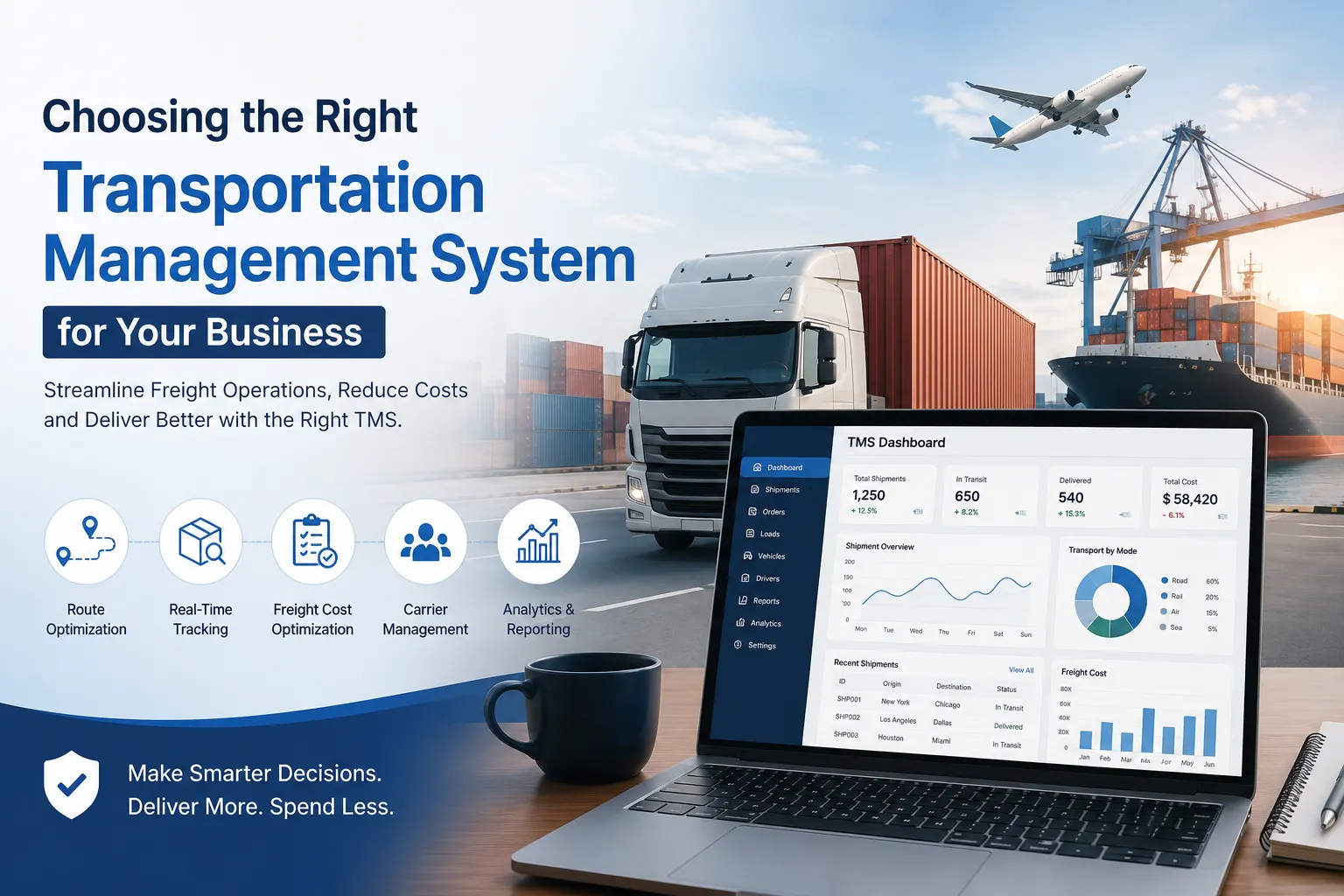
In today's fast-moving logistics industry, businesses are expected to deliver shipments faster, reduce operational costs, and provide complete visibility across the supply chain. Managing these expectations manually is becoming increasingly difficult, especially as shipping volumes continue to grow.
That's why more organizations are investing in a Transportation Management System to streamline freight operations, automate planning, and improve decision-making. But with so many platforms available, choosing the right solution can feel overwhelming.
What Is a Transportation Management System?
A Transportation Management System (TMS) is software designed to manage, optimize, and track the movement of goods from origin to destination. It helps businesses plan shipments, select carriers, monitor deliveries, automate documentation, and analyze transportation performance from a single dashboard.
Why Businesses Need a Modern TMS
Transportation is one of the largest expenses in the supply chain. Delays, inefficient routing, and manual processes can quickly increase costs and impact customer satisfaction.
A modern Transportation Management System helps businesses:
- Optimize delivery routes
- Improve shipment visibility
- Reduce transportation expenses
- Automate dispatching and documentation
- Enhance carrier management
- Improve customer communication
- Generate accurate operational reports
Key Features to Look For
Not every solution offers the same capabilities. Before investing, evaluate whether the platform includes features that match your operational needs.
Route Optimization
Efficient route planning reduces fuel consumption, minimizes delivery delays, and improves fleet utilization.
Real-Time Shipment Tracking
Customers and logistics teams benefit from accurate shipment visibility, helping identify potential delays before they become major issues.
Carrier Management
A strong TMS simplifies carrier selection, performance tracking, and freight cost comparisons.
Freight Cost Optimization
One of the biggest advantages of Transportation Management Software for Freight is its ability to compare shipping options and reduce unnecessary transportation expenses.
Automated Documentation
Shipping labels, invoices, proof of delivery, and freight documentation should be generated automatically to reduce manual work and errors.
Analytics and Reporting
Comprehensive reporting allows businesses to monitor KPIs, transportation costs, delivery performance, and carrier efficiency.
Scalability Matters
Your logistics operations today may look very different a few years from now.
Choose a Transportation Management System that can grow alongside your business. Whether you're expanding into new regions, adding warehouses, or increasing shipment volumes, the software should scale without requiring a complete system replacement.
Integration Is Essential
Transportation software should never operate in isolation.
Look for solutions that integrate easily with:
- ERP systems
- Warehouse Management Systems (WMS)
- Inventory software
- CRM platforms
- Accounting software
- GPS and telematics solutions
Seamless integration eliminates duplicate data entry and improves operational accuracy.
User Experience Should Be Simple
Even the most feature-rich platform will struggle if employees find it difficult to use. A clean interface, intuitive navigation, and mobile accessibility help dispatchers, managers, drivers, and warehouse staff perform tasks more efficiently with minimal training.
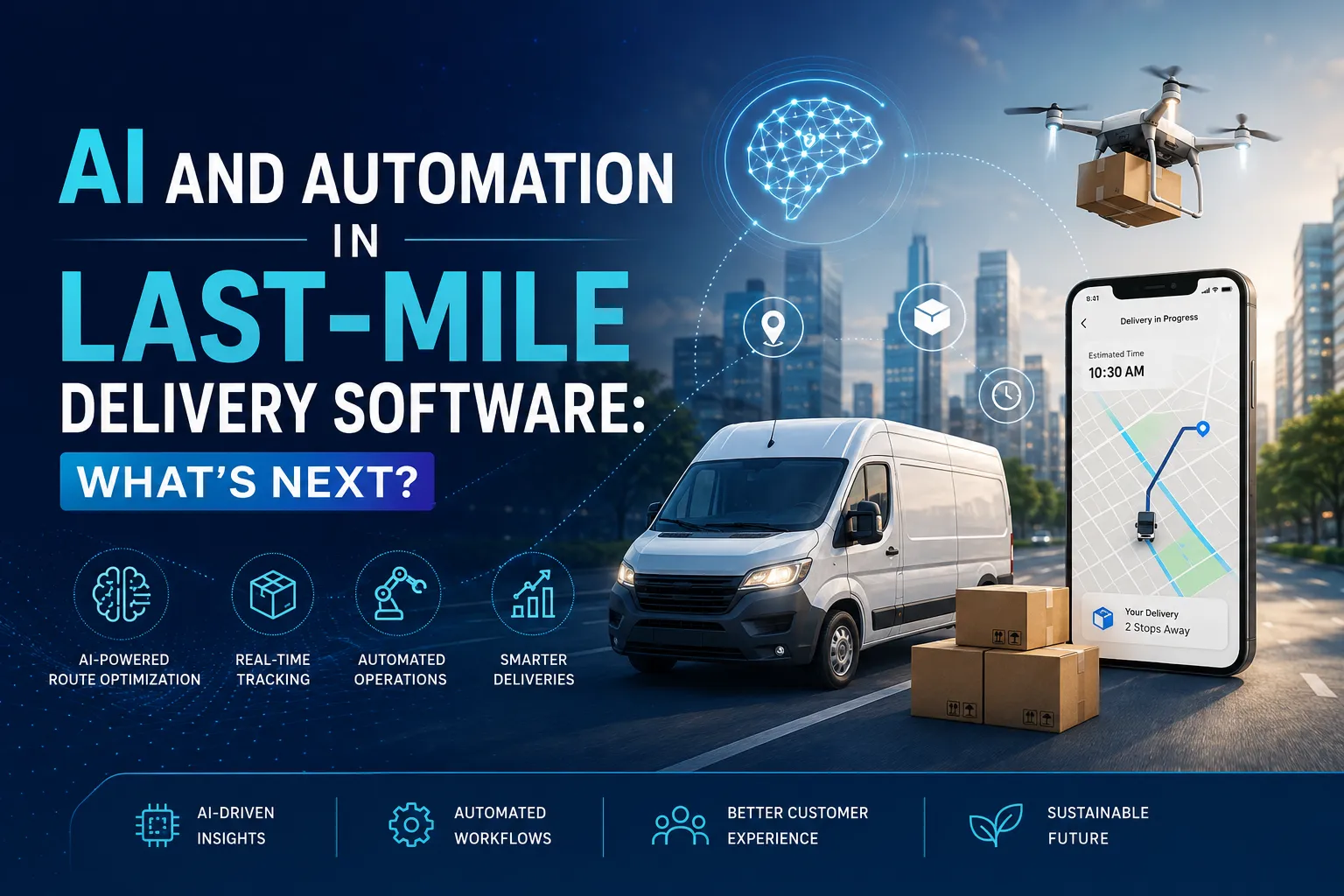
Consider AI and Automation
Modern logistics increasingly relies on automation to improve operational performance.
Many advanced Transportation Management Systems now include AI-powered capabilities such as:
- Predictive delivery estimates
- Automated dispatch planning
- Demand forecasting
- Intelligent route optimization
- Exception alerts
- Performance recommendations
Evaluate Customer Support
Software implementation is only the beginning.
Choose a provider that offers:
- Responsive technical support
- Product training
- Regular software updates
- Security enhancements
- Dedicated implementation assistance
Reliable support minimizes downtime and ensures your team can maximize the value of the platform.
Think Beyond Price
While budget is important, selecting software based solely on the lowest cost can become expensive over time.
Instead, evaluate the overall return on investment by considering:
- Time savings
- Lower fuel costs
- Improved fleet utilization
- Reduced manual work
- Better customer satisfaction
- Increased operational visibility
The right Transportation Management Software for Freight delivers measurable long-term value rather than simply reducing upfront costs.
Making the Right Choice
Every business has unique transportation requirements. Some organizations prioritize fleet management, while others focus on carrier optimization, shipment tracking, or freight analytics.
Before making a decision:
- Define your business goals.
- Identify operational challenges.
- Compare available features.
- Request product demonstrations.
- Review scalability and integration capabilities.
- Assess long-term support.
Final Thoughts
Selecting the right Transportation Management System is a strategic investment that can transform logistics operations. From improving shipment visibility to reducing transportation costs and automating routine tasks, the right solution delivers lasting operational benefits.
Organizations looking to modernize freight management should focus on flexibility, scalability, automation, and user experience rather than simply choosing the lowest-cost option. Providers like SSTech System demonstrate how modern logistics technology can help businesses improve efficiency, optimize freight operations, and build a more resilient supply chain for the future.




























Sign in to leave a comment.