Software development is no longer an option but essential for organizations aiming to stay competitive. Despite huge investments and technological progress, over 50% of software fails to meet their goals, and nearly 70% of organizations face one project failure every year. Think of it, why? Lack of project understanding, requirements, poor planning, and a structured process.
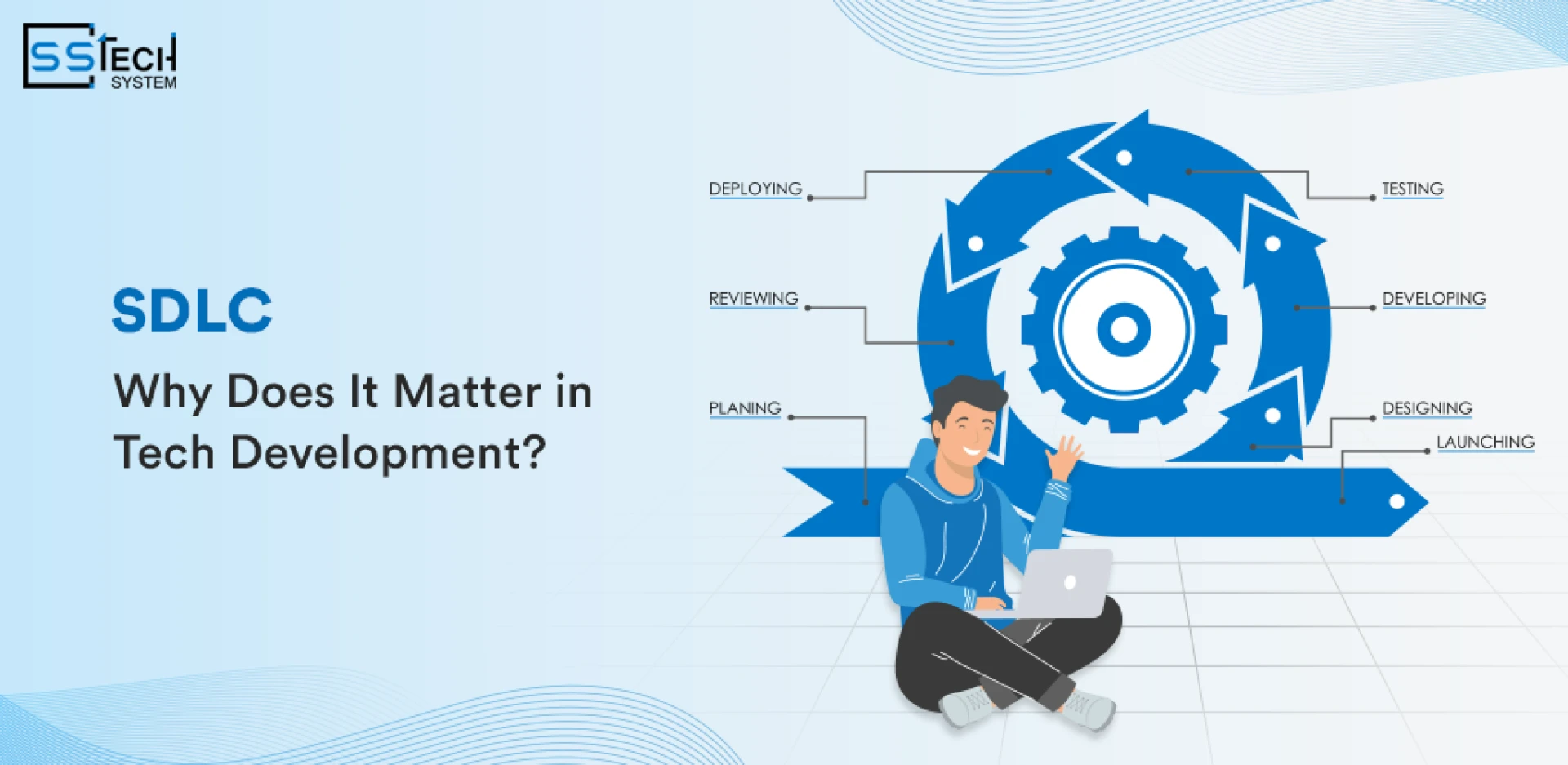
The SDLC breaks down the development process into independent phases. Each phase has a clear understanding of the project scope and deliverables that help the development team to create software that meets the stakeholder needs, project requirements, and customer expectations.
After completion of the tasks, the testing process begins, which includes code, functional, integration, performance, and security testing. The team runs the software to identify bugs, glitches, or errors and fix them. They also conduct performance and compatibility checks to minimize processing lags and hangs and see if it meets customer requirements. The software testing process is carried out through automation and manual methods.
SDLC models define how teams build software, directly impacting quality, timelines, budgets, and how effectively the final product meets stakeholder expectations. Trends like AI automation and integration of security through DevSecOps, it reflect a shift toward smarter, faster, and more user-centered development.
As organizations embrace these innovations, they will define the future of SDLC with agility, efficiency, and continuous improvement, ensuring that software meets functional goals and delivers exceptional user experiences.
If you are looking for a reliable software development company, it is the right time to connect with our experts. They will help turn your ideas into a top-quality software product by employing the right SDLC methodologies for you.

























Sign in to leave a comment.