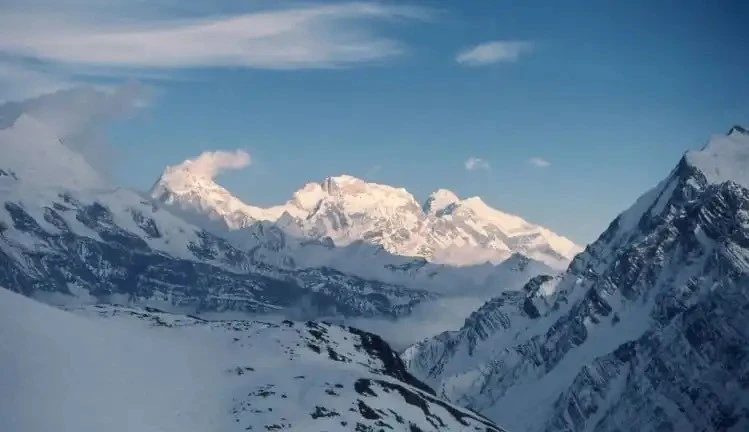

Chulu East Peak Climbing is one of the prominent peaks in the Annapurna region of Nepal. Standing at 6,584 meters (21,601 feet), it attracts climbers who seek the thrill of Himalayan mountaineering without the extreme technical challenges of higher peaks. The climb offers breathtaking views of the Annapurna massif, Dhaulagiri, and Manaslu, making it a rewarding experience for both adventure enthusiasts and aspiring mountaineers.
Overview of Chulu East Peak
Chulu East is part of the Chulu mountain group, consisting of East and West summits. Located near the popular Annapurna Circuit trekking route, it is accessible from Manang or Chame. The peak is known for its mixed terrain, including snow, ice, and rock sections, requiring climbers to be prepared for both trekking and basic mountaineering challenges.
The peak is ideal for climbers who want to gain experience in high-altitude climbing, practice rope techniques, and experience the grandeur of the Himalayas without committing to the extreme technical demands of peaks like Annapurna I or Dhaulagiri.
Difficulty Level
Chulu East is considered a moderate trekking peak, but it does have specific challenges:
Altitude
The climb reaches over 6,500 meters, which requires proper acclimatization. Acute Mountain Sickness (AMS) is a concern, and climbers should ascend gradually and follow a proper acclimatization schedule.
Technical Sections
While the climb is not highly technical, there are glacier crossings, crevasses, and icy slopes. Climbers need basic mountaineering skills, including using crampons, ice axes, and rope techniques.
Physical Fitness
A good level of stamina and strength is necessary. Climbers face long summit days, often starting before dawn, and need endurance to navigate steep and uneven terrain.
Best Time to Climb
The ideal seasons for Chulu East Peak climbing are pre-monsoon (March to May) and post-monsoon (September to November). During these periods, weather conditions are more stable, and the skies are clearer, offering spectacular mountain views. Winter climbs are possible but come with harsher conditions and increased risk of snowstorms.
Route Overview
Most Chulu East expeditions start from Manang, following a route that passes through Chulu Base Camp, typically located at around 5,200 meters. From the base camp, climbers ascend gradually to high camps and then to the summit. The climb usually takes 5–7 days, depending on the acclimatization schedule.
Base Camp: Around 5,200 meters, serving as the primary staging area.
Camp I: Positioned on the upper glacier slope, approximately 5,600 meters.
Summit Push: Begins early in the morning, with climbers tackling icy slopes and rocky sections before reaching 6,584 meters.
The summit offers a panoramic view of Annapurna, Dhaulagiri, and Manaslu, along with the surrounding high Himalayan terrain.
Scenery and Highlights
Climbing Chulu East Peak is not just about the summit; the journey is filled with scenic marvels:
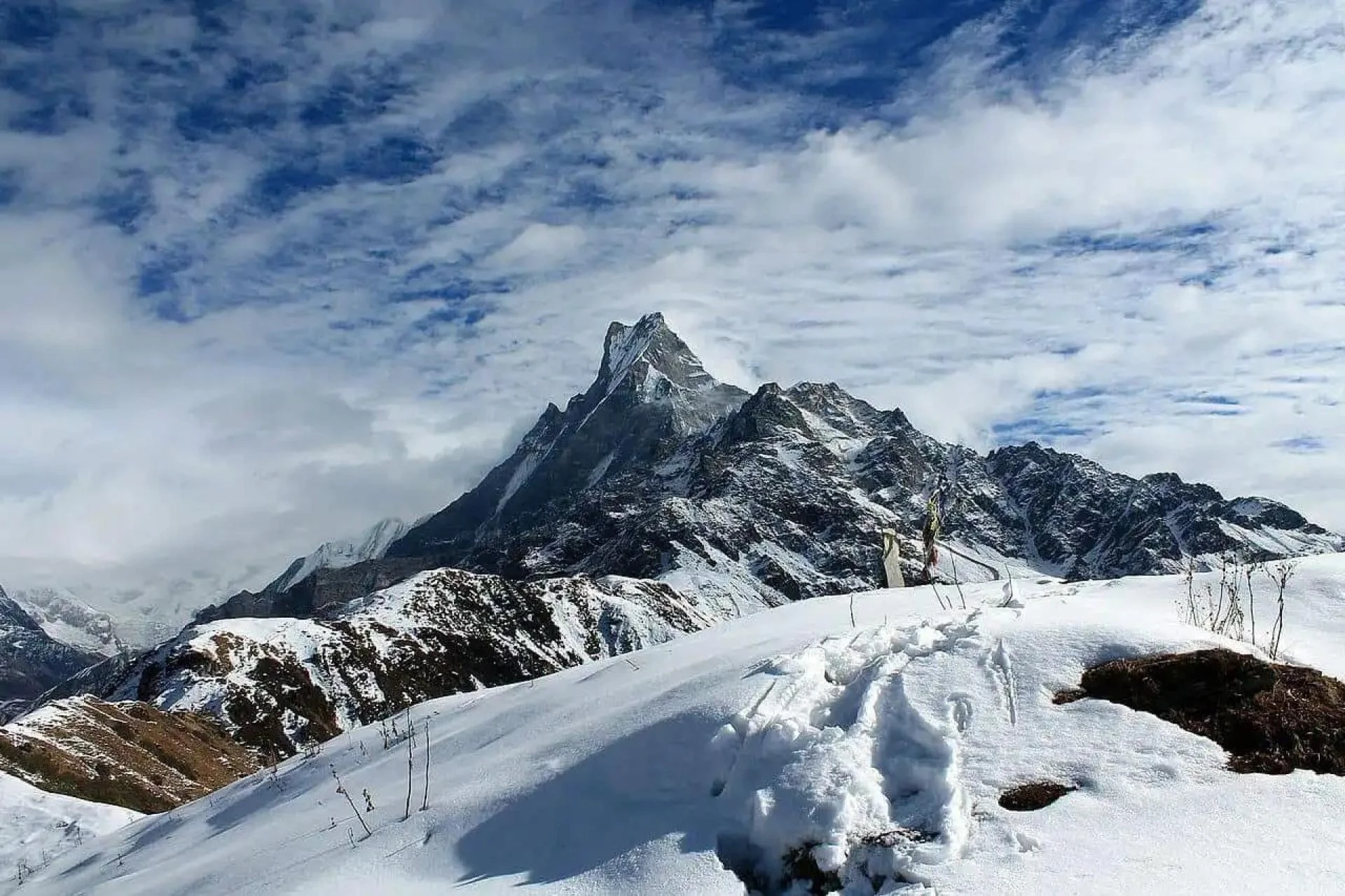
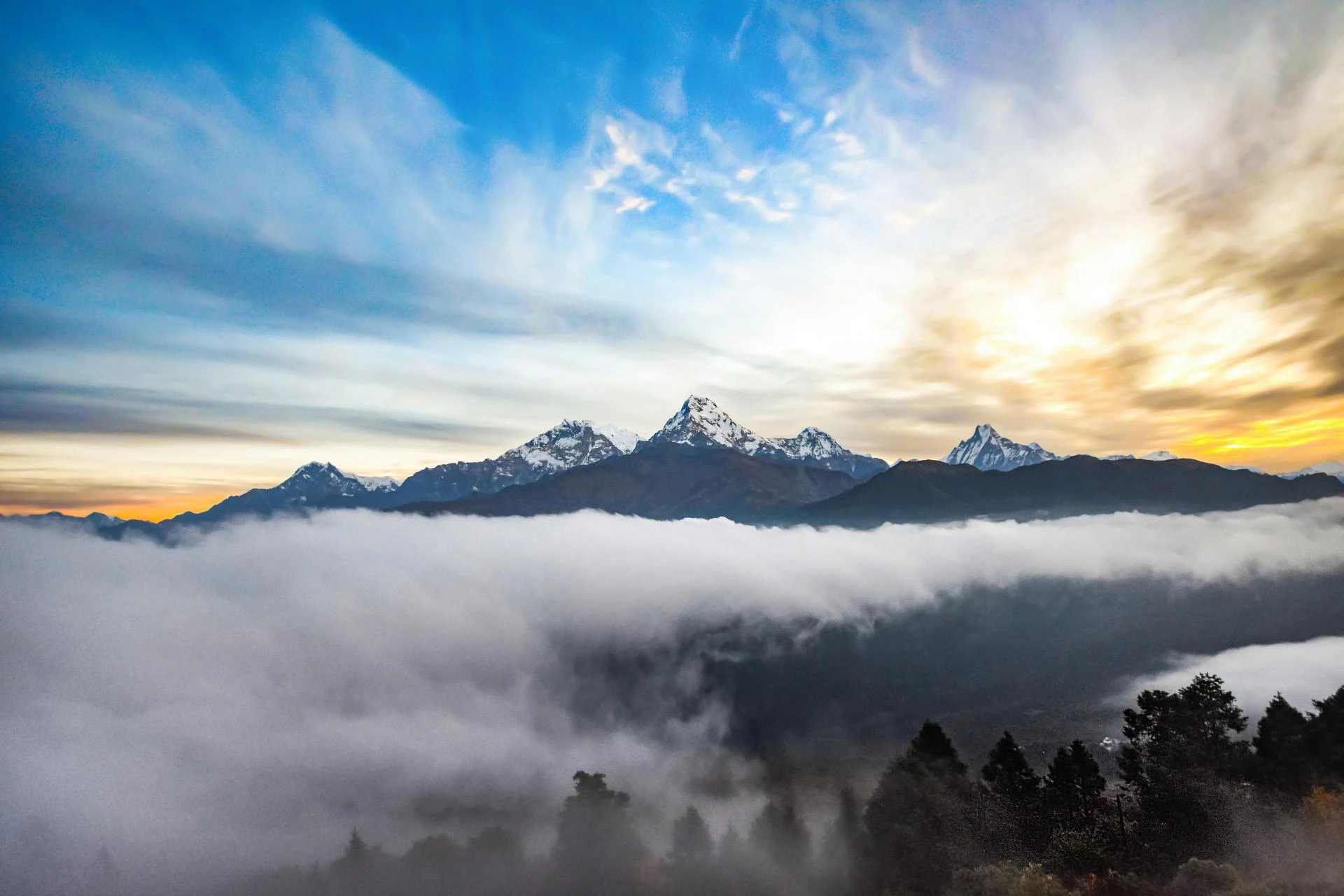
Himalayan Vistas: Spectacular views of Annapurna South, Machhapuchhre, Gangapurna, and other Himalayan giants.
Glacial Terrain: Experience trekking across glaciers, crevasses, and snowfields that enhance the mountaineering adventure.
Local Culture: Passing through Manang and surrounding villages, climbers get glimpses of traditional Gurung and Tibetan-influenced culture.
Tips for Climbers
Acclimatization: Spend extra days at Manang and Chulu Base Camp to adapt to high altitude.
Gear Preparation: Essential climbing equipment includes crampons, ice axe, harness, helmet, ropes, and cold-weather clothing.
Guides and Permits: Hiring a licensed guide is highly recommended, and obtaining a trekking peak permit from the Nepal Mountaineering Association (NMA) is mandatory.
Physical Conditioning: Prepare with cardio exercises, long hikes, and strength training before attempting the peak.
Weather Awareness: Monitor weather forecasts carefully, as Himalayan conditions can change rapidly.
Conclusion
Chulu East Peak climbing is an exceptional way to experience the Annapurna Himalayas while developing mountaineering skills. It offers a combination of breathtaking scenery, cultural immersion, and a moderately challenging climb that rewards perseverance with panoramic Himalayan views. Proper preparation, acclimatization, and guidance make this trek safe and highly enjoyable, providing an unforgettable adventure in Nepal’s high mountains.


























Sign in to leave a comment.