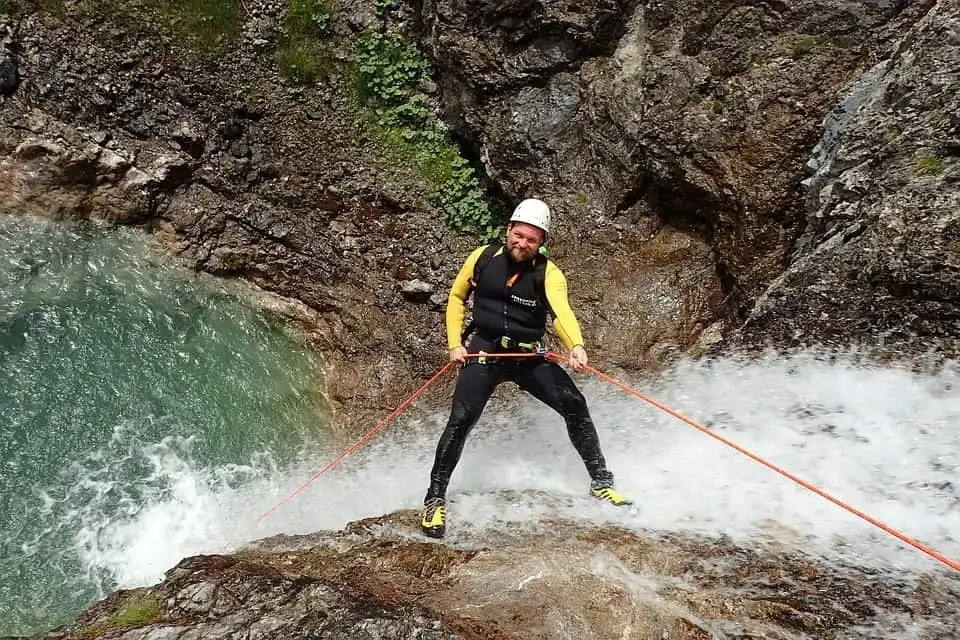

Canyoning in Nepal is a rapidly growing adventure sport that allows travelers to explore the hidden vertical water-worlds of the Himalayas. While trekking often focuses on the horizon, canyoning invites you to look downward into the sculpted gorges and rushing waterfalls of the mid-hills. Located just 35 kilometers from the bustling streets of Kathmandu, Kakani has emerged as a premier destination for this high-adrenaline activity. Offering a blend of technical descent and natural beauty, the Kakani Canyoning experience provides a refreshing escape into the wild, wet corridors of the Nuwakot District.
The Allure of Kakani’s Waterfalls
Kakani is widely recognized as a peaceful hill station, famous for its views of the Ganesh Himal and Langtang ranges. However, hidden beneath its pine forests and strawberry farms lie two spectacular canyons: Phung Phunye and Chhahare. These sites offer some of the most accessible yet thrilling canyoning in the country. Unlike the remote expeditions in the Annapurna or Everest regions, Kakani allows adventure seekers to experience world-class rappelling within a single day’s journey from the capital.
The geography of Kakani provides the perfect setting for water-based adventure. The waterfalls here are fed by clean mountain springs, ensuring ample water flow throughout most of the year. The terrain is a mix of solid bedrock and lush vegetation, creating a natural water park where you can abseil down sheer rock faces, slide through smooth water chutes, and jump into crystal-clear pools.
Essential Canyoning Statistics
For those planning to test their nerves on the vertical walls of Kakani, understanding the scale of the canyons is crucial. These statistics highlight the technical nature of the two primary sites.
Phung Phunye Waterfall: 185 meters (Total height across multiple stages)
Chhahare Waterfall: 145 meters (Total height across multiple stages)
Location: Dhansar and Jurethum villages, Kakani
Altitude: Approximately 1,325 meters above sea level
Difficulty: Moderate to Fairly Challenging
Best Season: September to June (Peak times: March–May and October–December)
Technical Activities: Abseiling (rappelling), sliding, jumping, and swimming
The Experience: Phung Phunye and Chhahare
The dual canyons of Kakani offer distinct experiences for the modern canyoneer. Phung Phunye is the more iconic of the two, known for its significant height and the breathtaking views it provides. As you hang from a rope midway down the 185-meter cascade, you can look out toward the horizon to see the snow-capped peaks of the Ganesh Himal and Manaslu. It is a rare combination of technical focus and panoramic sightseeing.
Chhahare, standing at 145 meters, is equally engaging. The descent involves navigating through narrow gaps and across smooth rock formations carved over millennia by the force of the water. Both canyons require a variety of techniques. You will find yourself switching from technical abseiling with a harness and figure-eight descender to the pure joy of sliding down naturally polished rock slides into deep, turquoise basins.
Safety and Professional Guidance
Canyoning is an inherently technical sport that requires specialized equipment and expert supervision. At Kakani, safety is the primary priority. Professional guides, often certified by the Nepal Canyoning Association, lead every excursion. They are responsible for setting up the anchors, managing the ropes, and providing detailed briefings on body positioning and brake techniques.
Participants are provided with international-standard gear, including high-buoyancy life jackets, helmets, and thick wetsuits. The wetsuits are essential as they provide both buoyancy and thermal protection against the cool mountain water. Even if you have no prior experience with ropes or climbing, the instructors ensure you are comfortable and confident before you take your first step over the edge of a waterfall.
Cultural and Culinary Highlights of Kakani
One of the unique aspects of a trip to Kakani is the local culture you encounter along the way. The trail to the canyons passes through traditional villages where life moves at a different pace. You will see terraced hillsides and local farmers tending to their crops. Kakani is particularly famous for two things: its strawberry farms and its Japanese rainbow trout.
After a few hours of physical exertion in the water, nothing compares to a traditional Nepali lunch. Many visitors choose to enjoy grilled trout, a local delicacy that has put Kakani on the culinary map of Nepal. The combination of high-octane adventure and the serene, rustic atmosphere of the village makes for a well-rounded travel experience.
Practical Tips for Adventure Seekers
To make the most of your Kakani Canyoning trip, keep these practical insights in mind.
Physical Preparedness While you do not need to be an expert athlete, a basic level of fitness and a comfort with water are necessary. The trip involves a short hike to reach the head of the canyon and several hours of active movement.
What to Bring You should pack swimwear to wear under your wetsuit, a travel towel, and a change of dry clothes for the journey home. Closed-toe shoes with good grip are essential for walking on slippery rocks. If you wear glasses, ensure they are secured with a strap.
Timing and Weather The best conditions are found when the weather is clear and the water levels are stable. While canyoning is possible for much of the year, the months following the monsoon offer the most lush scenery and refreshing water flow. Avoid the peak of the monsoon season when water volumes can become dangerously high.
Mental Focus Canyoning is as much a mental challenge as a physical one. Stepping off a waterfall for the first time requires courage and trust in your equipment. Take deep breaths, follow your guide’s instructions, and focus on the technique. The sense of achievement once you reach the bottom is immense.
The Gateway to Adventure
Kakani serves as an ideal introduction to the wider world of adventure sports in Nepal. Its proximity to Kathmandu makes it a perfect "add-on" for travelers who may be in the city for business or as a starting point before a longer trek. The experience of descending through the hidden gorges of Nuwakot provides a different perspective on the Himalayan landscape—one that is intimate, powerful, and exhilarating.
Conclusion
Kakani Canyoning is more than just a day trip; it is an invitation to push your boundaries in one of the most beautiful settings in the world. The transition from the quiet pine forests of the ridge to the roaring waterfalls of the canyon floor is a journey of pure adrenaline and discovery. Whether you are abseiling down the towering face of Phung Phunye or sliding into the cool pools of Chhahare, the experience connects you to the raw energy of the Nepali wilderness. It is a reminder that adventure can be found just around the corner from the city, waiting for those brave enough to take the plunge. By the time you return to the valley, the sound of the water and the thrill of the descent will have left you with a newfound appreciation for the vertical wonders of the Himalayas.





















Sign in to leave a comment.