

Europe doesn’t have just one “perfect” season—it changes character dramatically throughout the year. The same city can feel completely different depending on when you visit. A quiet cobblestone street in spring can turn into a festival hub in summer, then transform into a golden, romantic escape in autumn. So instead of asking “when should I go?”, the better question is: what kind of experience are you looking for?
Let’s break down the Best Time to Visit Europe in a more practical, experience-driven way so you can plan a trip that truly matches your travel style.
If You Love Flowers, Fresh Air, and Fewer Crowds (Spring: March to May)
Spring in Europe feels like the continent waking up. Parks turn green, flowers bloom across cities, and outdoor life slowly returns after winter.
This is the time when:
- Paris gardens are filled with blossoms
- Amsterdam’s tulip fields are in full color
- Cities like Rome and Barcelona are pleasant—not scorching
The weather is mild, usually between 10°C and 20°C, making it comfortable for long walking days. You won’t face the intense crowds of summer, which means shorter lines and more relaxed sightseeing.
Spring is ideal if you want that “European charm” without the chaos.
If You Want Energy, Beaches, and Big Events (Summer: June to August)
Summer is when Europe goes all out. Streets are alive, festivals are everywhere, and coastal destinations are at their peak.
This is the season for:
- Beach hopping in Greece, Spain, and Italy
- Attending music festivals like Tomorrowland
- Enjoying long days with sunsets as late as 10 PM in some regions
It’s vibrant, exciting, and full of life—but also crowded and expensive. Popular cities like Paris, Venice, and Barcelona can get packed, and prices rise accordingly.
If you don’t mind the crowds and want maximum energy, summer delivers.
If You Prefer Calm, Colors, and Culture (Autumn: September to November)
Autumn is Europe’s hidden gem. The summer crowds fade away, temperatures cool down, and landscapes turn golden.
Picture this:
- Vineyards in France and Italy during harvest season
- Quiet streets in Prague or Vienna with crisp air
- Scenic train rides through colorful countryside
Temperatures are still comfortable (around 10°C to 20°C), and everything feels more relaxed. It’s also a great time for food lovers—wine, seasonal dishes, and local festivals take center stage.
Autumn is perfect if you want a slower, more atmospheric experience.
If You’re Drawn to Snow and Festive Magic (Winter: December to February)
Winter in Europe is all about mood. It’s not the easiest season weather-wise, but it’s easily one of the most magical.
This is when you can:
- Explore Christmas markets in Germany and Austria
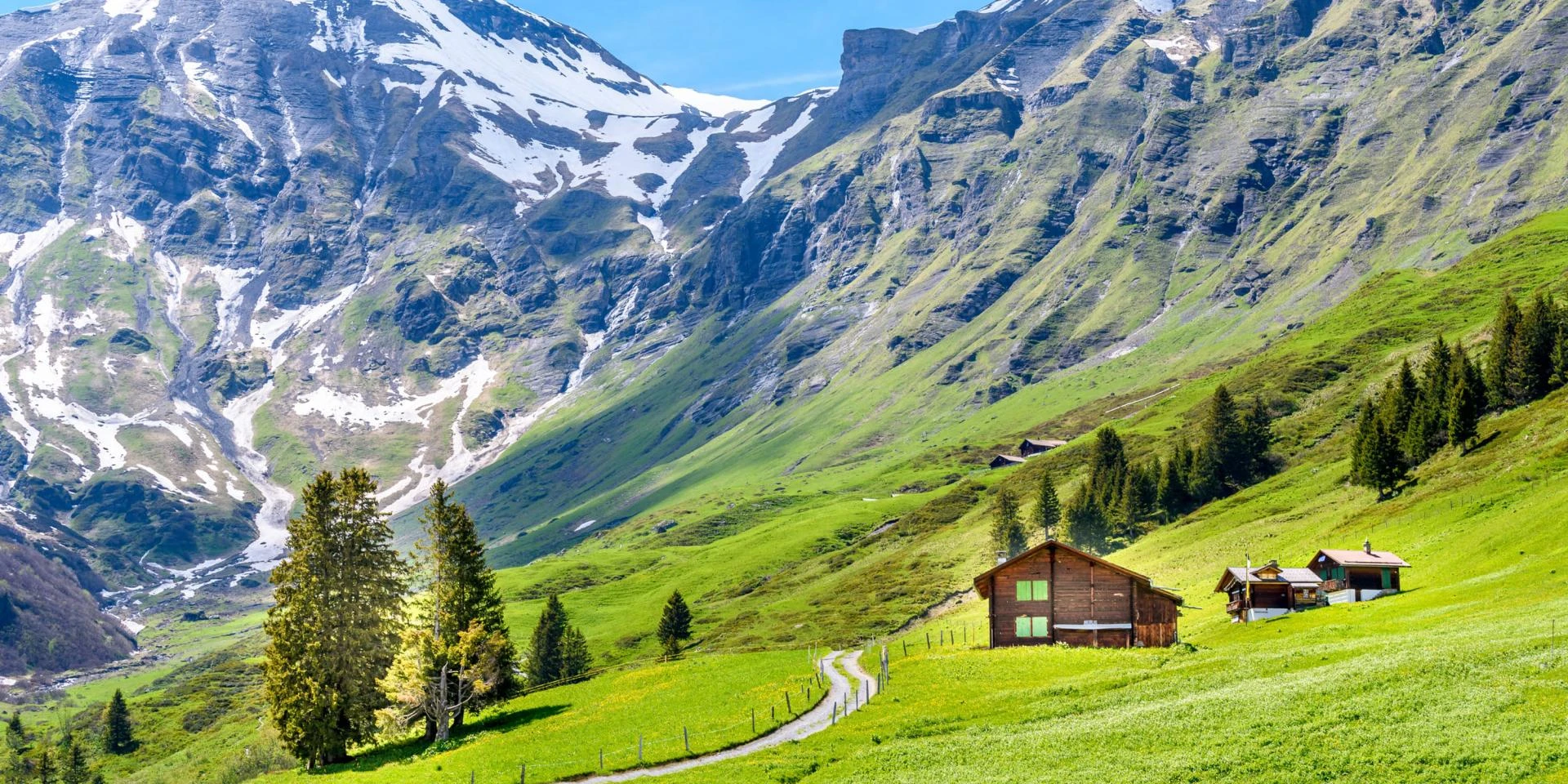
- See snow-covered Alps in Switzerland
- Enjoy cozy cafes in cities like Vienna and Budapest
December is especially special, with lights, decorations, and holiday spirit everywhere. January and February are quieter, ideal for budget travelers or ski enthusiasts.
Just be prepared for cold temperatures—often near or below 0°C in many regions.
So, What’s Actually the Best Time?
There isn’t a single answer—and that’s the beauty of Europe.
- Want great weather + fewer crowds? Go in spring or early autumn
- Want festivals + beaches + energy? Summer is your time
- Want romance + snow + cozy vibes? Winter is unbeatable
Your “best time” depends entirely on what you value more: weather, price, crowds, or atmosphere.
A Quick Tip Most Travelers Miss
Instead of planning your entire trip around one season, consider mixing regions. For example:
- Visit southern Europe in spring for warmth
- Head to northern Europe in summer for longer days
- Explore central Europe in autumn for scenery
Europe’s diversity means you can always find ideal conditions somewhere.
Final Thoughts
The Best Time to Visit Europe isn’t about chasing perfect weather—it’s about choosing the experience you want. Each season offers something unique, whether it’s blooming gardens, lively festivals, golden landscapes, or festive winter charm.
If you plan your trip with intention, Europe will reward you no matter when you go. The key is matching the destination—and the season—to your travel style.














Sign in to leave a comment.