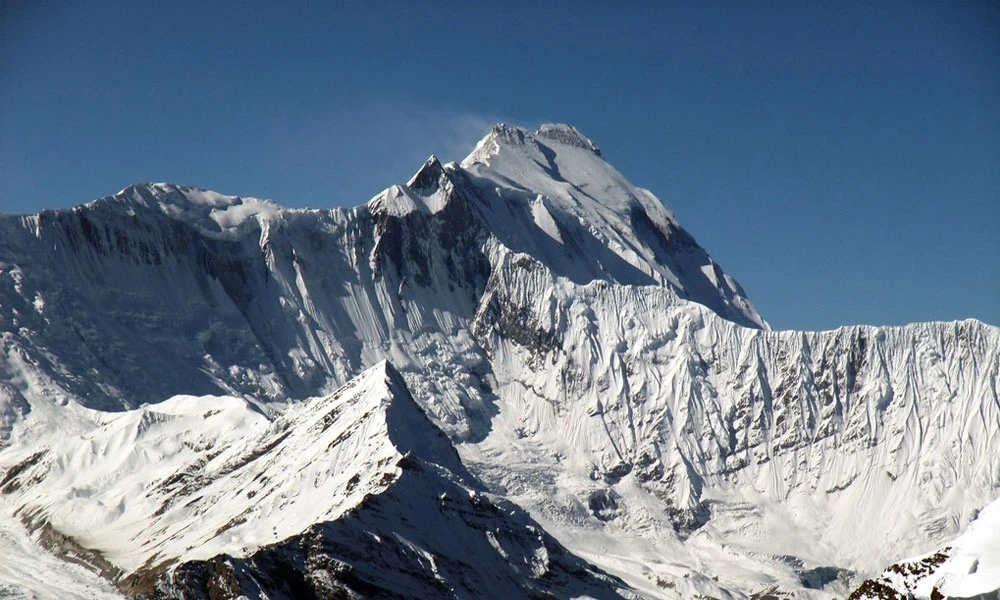

Chulu Far East Peak is a beautiful trekking peak in the Annapurna region of Nepal. Standing at 6,059 meters (19,881 feet), it offers stunning views of the Annapurna and Dhaulagiri mountain ranges. This peak is a perfect choice for trekkers who want to experience the thrill of high-altitude climbing combined with the beauty of the Himalayas.
What is Chulu Far East Peak?
Chulu Far East Peak is one of several Chulu peaks located in the Annapurna region. It is considered one of the easiest trekking peaks to climb in Nepal, making it ideal for beginner climbers or those looking for an introduction to mountaineering. The climb requires basic mountaineering skills, such as using crampons and an ice axe, but it does not involve highly technical challenges.
This peak provides breathtaking views of Annapurna II, III, IV, Gangapurna, Tilicho Peak, and the Manaslu range. The journey combines trekking through beautiful landscapes, traditional villages, and alpine forests with the excitement of a climbing adventure.
When to Climb Chulu Far East Peak
The best time to climb Chulu Far East Peak is during the spring (March to May) and autumn (September to November). During these seasons, the weather is stable, the skies are clear, and the mountain views are spectacular. Winter and summer are less favorable due to heavy snowfall or monsoon rains.
The Route to Chulu Far East Peak
The trek to Chulu Far East Peak typically starts from Besi Sahar, a small town that serves as the gateway to the Annapurna region. From there, you follow the classic Annapurna Circuit trail, passing through villages like Pisang and Ngawal. Along the way, you’ll experience the unique culture of the local Gurung and Tibetan communities and enjoy stunning views of the Himalayan landscape.
After trekking for several days, you’ll reach Chulu Far East Base Camp, which is situated at an altitude of around 5,000 meters. From here, you’ll move to High Camp, where you’ll prepare for the summit climb. The final ascent involves walking on snow and ice, using climbing gear for safety. The climb is challenging but manageable for those with a good level of fitness and basic climbing skills.
Reaching the Summit
Standing on the summit of Chulu Far East Peak is a once-in-a-lifetime experience. From the top, you’ll see panoramic views of the surrounding mountains, including Annapurna, Dhaulagiri, and Manaslu. The sense of accomplishment and the beauty of the scenery make the effort worthwhile.
Acclimatization and Preparation
Since Chulu Far East Peak involves high altitudes, acclimatization is crucial to avoid altitude sickness. The trek includes rest days to help your body adjust to the thin air. It’s also important to be physically fit and well-prepared. Training in basic mountaineering techniques and practicing with climbing equipment will make the climb safer and more enjoyable.
Challenges
Climbing Chulu Far East Peak is not without its challenges. The high altitude, cold weather, and long trekking days can be tough. However, with proper preparation, the right gear, and an experienced guide, these challenges can be overcome. The climb is suitable for adventurous trekkers who are eager to push their limits and experience something extraordinary.
The Return Journey
After reaching the summit, you’ll descend back to High Camp and then to the base camp. From there, you’ll retrace your steps along the Annapurna Circuit trail, eventually returning to Besi Sahar. The return journey is a chance to reflect on your achievement and enjoy the beautiful landscapes one last time.
Conclusion
Chulu Far East Peak climbing is a fantastic adventure for anyone looking to combine trekking and mountaineering in the heart of the Himalayas. It offers a great introduction to high-altitude climbing, stunning mountain views, and a rich cultural experience. Whether you’re an experienced trekker or a first-time climber, this journey promises unforgettable memories and a sense of accomplishment. If you’re looking for an adventure that challenges and inspires, Chulu Far East Peak is the perfect choice.












Sign in to leave a comment.