

Traditional architecture often gains much of its appeal from carefully selected details that create warmth, proportion, and visual balance. Rooftop features can make a building more distinctive without requiring major changes to its structure or exterior. pine cupolas offer a natural architectural accent that can complement barns, garages, sheds, workshops, and other traditional buildings. Their wood construction provides an authentic appearance that blends naturally with many exterior finishes. When properly selected and maintained, pine cupolas can contribute height, character, and craftsmanship while helping a property achieve a cohesive and timeless architectural appearance.
Understanding the Appeal of Pine Cupolas
Pine cupolas have long been associated with traditional buildings because wood naturally complements classic architectural materials. Their elevated position gives a structure greater visual presence while adding an attractive focal point to the roofline. Pine can provide a warm and recognizable appearance that works particularly well with painted, stained, or natural wood exteriors. The square or rectangular construction of many cupolas also supports balanced architectural proportions. By combining practical design considerations with traditional styling, a pine cupola can help transform an ordinary roofline into a more distinctive and visually engaging feature.
Natural Wood Character
One of the defining qualities of pine is its natural wood character. Grain patterns and surface texture can add subtle visual interest that manufactured materials may not always reproduce. Depending on the desired appearance, pine can be painted in a complementary color or finished to emphasize its natural qualities. This flexibility allows the cupola to coordinate with siding, trim, doors, and other exterior elements. A thoughtfully finished pine structure can therefore become an integrated part of the building rather than appearing as an isolated decorative addition.
Adding Traditional Charm to Buildings
A cupola can contribute significantly to the character of traditional architecture by creating a distinctive feature above the main roof. Pine construction reinforces this effect by bringing a familiar wood element into the design. Agricultural buildings, detached garages, workshops, and garden structures can all benefit from this architectural treatment. The cupola can also help establish a visual connection between multiple structures on a property. When its design reflects existing architectural details, the addition may appear as though it was considered as part of the original building rather than introduced later.
Enhancing Barn Architecture
Barns often have large, uninterrupted roof surfaces that can benefit from an elevated architectural feature. A pine cupola can add vertical interest while maintaining the traditional appearance associated with agricultural structures. Its wood construction can coordinate naturally with timber siding, painted boards, and classic roof materials. Windows or louvers may further enhance the design depending on the intended appearance and function. Proper proportions are important because the cupola should complement the barn's overall dimensions. A carefully selected design can strengthen the building's traditional character while creating a more recognizable roofline.
Choosing the Appropriate Size
The size of a cupola should correspond closely with the dimensions of the building and roof. A cupola that is too small may become visually insignificant, while one that is too large can dominate the roofline. Building width, roof pitch, structure height, and viewing distance are useful factors when determining appropriate proportions. Pine cupolas are available in different dimensions, allowing property owners to consider the specific requirements of their structures. Careful measurements before selection can help create a balanced appearance and reduce the possibility of choosing a design that feels disproportionate.
Considering Roof Pitch
Roof pitch can influence how a cupola looks after installation. Steeper roofs may accommodate taller cupolas, while lower roof slopes may work better with designs that have more restrained proportions. The relationship between the cupola base and roof surface should be considered carefully. Positioning can also affect the visual balance of the entire building. A centrally placed cupola often creates symmetry, although architectural layouts may require different placement. Evaluating these factors before installation helps ensure that the cupola enhances the roofline while maintaining the intended traditional appearance.
Selecting a Suitable Finish
Pine provides several finishing possibilities that can influence the final appearance of a cupola. A painted finish can coordinate with the building's siding or trim, while a stain can emphasize the natural qualities of the wood. The chosen finish should also account for environmental exposure and maintenance requirements. Exterior wood surfaces benefit from appropriate protective treatments designed for outdoor conditions. Selecting a suitable finish can help preserve the appearance of the cupola while supporting long term durability. The surrounding climate and level of weather exposure should be considered when determining the maintenance approach.
Coordinating Colors
Color coordination can help a cupola appear naturally connected to the rest of the property. Matching the cupola to existing trim can create a subtle and unified appearance, while a carefully selected contrasting shade can make the architectural feature more prominent. Roof color, siding, doors, windows, and decorative elements can all provide useful references when selecting a finish. The goal is to create visual relationships rather than introduce unrelated colors. Thoughtful coordination can make the cupola feel like a natural continuation of the building's existing architectural design.
Incorporating Windows and Louvers
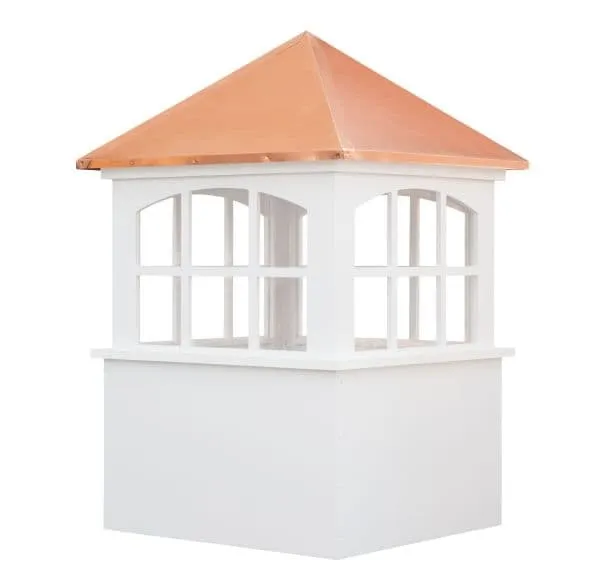
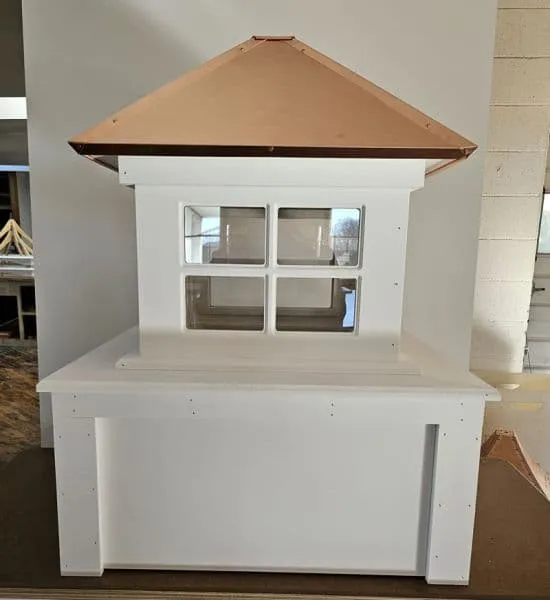
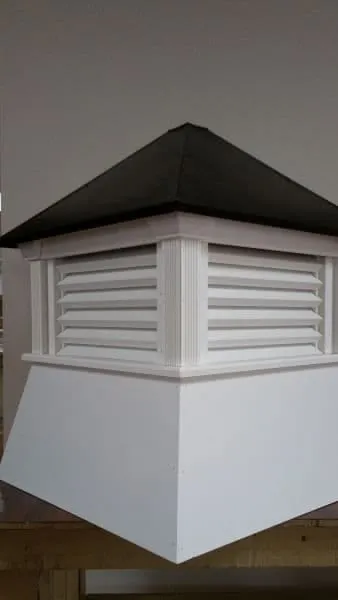
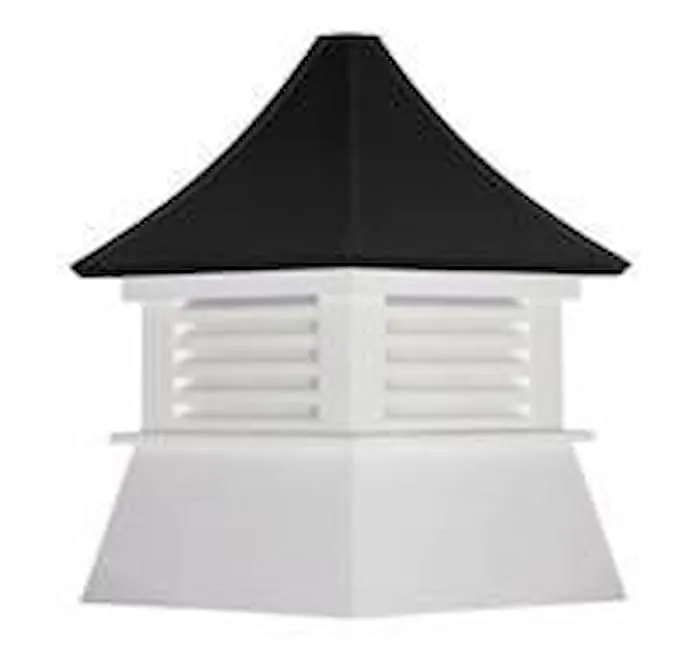
Windows and louvers can add another layer of character to a pine cupola. Windowed designs may provide a more open and decorative appearance, while louvered designs can create a traditional architectural profile. The selection can depend on the building type, desired style, and functional requirements. Decorative window divisions can also echo the proportions of existing windows on the property. Louvers may contribute to ventilation in appropriate designs. Considering these features carefully allows property owners to customize the cupola while maintaining harmony with the surrounding architecture.
Creating a Distinctive Roofline
The roofline plays an important role in how a building is perceived from a distance. A pine cupola can create a strong vertical focal point that breaks up a broad roof surface and adds visual interest. Its natural wood appearance can reinforce traditional styling while giving the building a more finished appearance. Decorative trim, roofing materials, and window details can further define the silhouette. When these elements are proportioned correctly, the cupola can provide architectural distinction without overwhelming the building. This balance is particularly valuable for properties seeking a classic and refined exterior.
Planning for Installation
Proper preparation is important before adding a cupola to an existing roof. Measurements should be taken accurately, including roof dimensions, pitch, and the intended installation location. The roof structure should also be evaluated to determine an appropriate installation method. Weather exposure, drainage, and surrounding architectural features deserve consideration during planning. Local construction requirements may apply depending on the project and property. Careful preparation can reduce installation complications and support a secure finished result. Professional guidance may also be useful when structural or specialized installation considerations are involved.
Maintaining Pine Cupolas
Wooden architectural features require appropriate care to maintain their appearance over time. Pine surfaces should be inspected periodically for signs of moisture exposure, finish deterioration, or other weather related changes. Cleaning can remove accumulated dirt and environmental debris, while refinishing may be necessary when protective coatings begin to wear. Areas around windows, louvers, trim, and roof connections can receive particular attention during inspections. Regular maintenance helps preserve the visual qualities of the wood and supports its continued performance. A consistent maintenance routine can also help identify minor concerns before they become larger problems.
Creating Timeless Architectural Appeal
Traditional building details remain appealing because they can provide visual character without dramatically changing the original structure. Pine cupolas combine the familiar qualities of natural wood with the distinctive presence of a rooftop architectural feature. Their adaptable designs can complement barns, garages, workshops, sheds, and other structures while creating a more memorable silhouette. Careful attention to size, roof pitch, finish, windows, louvers, and placement can help produce a balanced result. With thoughtful planning and ongoing maintenance, a pine cupola can remain an attractive part of a property's architectural character for years.
Conclusion
A well selected rooftop feature can bring greater definition and traditional character to many types of buildings. Pine cupolas offer natural wood appeal, flexible finishing options, and a distinctive elevated profile that can complement both historic inspired and contemporary traditional properties. Their effectiveness depends on appropriate sizing, careful placement, suitable finishes, and regular maintenance. When these considerations are addressed, a cupola can become an integrated architectural feature rather than an unnecessary decoration. For property owners exploring classic rooftop enhancements and quality architectural details, Cupolas Direct can provide options suited to different building styles and design preferences.






















Sign in to leave a comment.