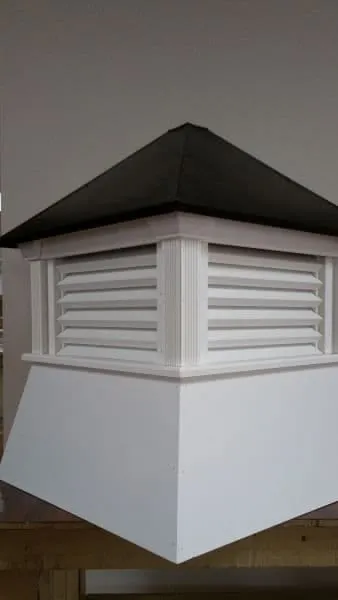

Small outdoor structures can gain remarkable visual character from carefully selected roof details that complement their proportions. Small cupolas offer a practical decorative option for sheds, garages, garden buildings, workshops, and other compact structures. Their elevated position can draw attention to the roof while making the overall building appear more finished and distinctive. Because smaller structures have limited surface area, proportion becomes especially important when choosing a cupola. A suitable design should enhance the existing architecture without overwhelming it, creating a balanced appearance that works naturally with the building and surrounding landscape.
A well proportioned cupola can make a compact structure appear taller and more visually complete. The feature introduces another architectural layer above the main roof, creating interest without requiring major changes to the building itself. This can be especially useful for simple sheds or utility structures that otherwise have minimal exterior detailing. Shape, height, width, and roof style should be considered together when selecting the right option. When these elements are coordinated, the cupola can become a subtle focal point that improves curb appeal while preserving the practical character of the structure.
Choosing the Right Size for a Small Structure
Matching Building Proportions
Proportion is one of the most important factors when adding a cupola to a compact building. A feature that is too large may dominate the roof and make the structure appear unbalanced, while a very small option may be difficult to notice from a distance. The width of the building, roof dimensions, roof pitch, and overall height can help guide the selection. Considering these measurements together allows the cupola to complement the structure rather than compete with it. Proper sizing also creates a more intentional appearance that feels naturally integrated into the existing architecture.
Considering Viewing Distance
The distance from which a structure will usually be viewed can influence the ideal cupola size and design. A garden shed positioned close to a patio may need a different visual treatment than a storage building located at the far end of a large property. Features that are clearly visible from pathways and gathering areas can have a stronger decorative effect. Trees, fencing, landscaping, and nearby buildings should also be considered. Evaluating the complete setting helps ensure that the cupola remains noticeable without becoming disproportionate to the structure or surrounding environment.
Design Ideas for Attractive Exterior Improvements
Enhancing Garden Sheds
Garden sheds often have simple rooflines and modest dimensions, making them suitable candidates for decorative architectural improvements. A cupola can give a shed a more finished appearance while adding character to a garden or backyard setting. Designs with balanced openings and complementary roof details can work particularly well with traditional landscaping. The feature can also help connect the shed visually with nearby structures that share similar architectural elements. By focusing on proportion and style, a simple utility building can become an attractive part of the overall outdoor environment rather than merely a functional storage space.
Improving Garage and Workshop Buildings
Compact garages and workshops can also benefit from an elevated roof accent when the design suits the building. A carefully selected cupola can soften a plain exterior and introduce a stronger architectural focal point above the roof. This approach can be useful when the building occupies a visible location near a driveway, garden, or main residence. The cupola should complement the roof pitch and exterior materials while maintaining the structure's practical appearance. With thoughtful planning, the added detail can provide visual interest without requiring extensive remodeling or changes to the existing building footprint.
Materials and Style Considerations
Selecting a Complementary Finish
The finish of a cupola can influence how naturally it fits with the rest of a small structure. Coordinating the color, trim, roof material, and architectural details can create a unified appearance. A matching finish can make the cupola appear like an original part of the building, while a carefully chosen contrast can make it stand out as a decorative feature. The surrounding landscape should also be considered because colors and textures can look different against trees, gardens, stone, or open lawns. A thoughtful finish helps connect the roof detail with the broader property design.
Balancing Traditional and Modern Styles
Different architectural styles can guide the selection of a suitable cupola design. Traditional structures may benefit from classic shapes and decorative details, while contemporary buildings often look better with simpler lines and restrained features. The goal is not necessarily to match every element exactly, but to create a consistent visual language. A cupola that reflects the structure's existing character can add distinction without appearing out of place. Considering roof shape, exterior trim, windows, doors, and nearby buildings can help establish a cohesive style that remains attractive over time.
Installation and Maintenance Planning
Preparing for Installation
Before installation, the roof structure should be reviewed to determine appropriate placement and support requirements. Compact buildings can have different framing arrangements, so the selected cupola should be compatible with the roof construction. Proper positioning can also help maintain symmetry and ensure that the feature sits securely above the structure. Measurements should be checked carefully before installation begins, including roof pitch and available mounting space. Thorough preparation can reduce installation complications and help the finished cupola maintain a straight, centered appearance that complements the building from every viewing angle.
Maintaining the Exterior Appearance
Routine care can help preserve the appearance of a cupola and keep the surrounding roof area looking attractive. Periodic inspection can identify dirt, leaves, moisture buildup, loose components, or finish changes before they become larger concerns. Cleaning methods should be appropriate for the material and finish to avoid unnecessary surface damage. Nearby branches and vegetation may also require attention if they interfere with visibility or contact the structure. Consistent maintenance allows the cupola to remain a dependable decorative feature while supporting the overall appearance of the building and surrounding property.
Conclusion
Small structures can become more distinctive when their exterior details are selected with careful attention to scale, style, materials, and placement. A well chosen cupola can enhance a simple roofline, create a visual focal point, and connect a compact building with its surrounding landscape. Garden sheds, workshops, garages, and other outdoor structures can all benefit from this architectural approach when proportions are considered carefully. For those exploring attractive options for smaller buildings, Cupolas Direct can provide inspiration for selecting designs that add character while maintaining a balanced and practical exterior appearance.























Sign in to leave a comment.