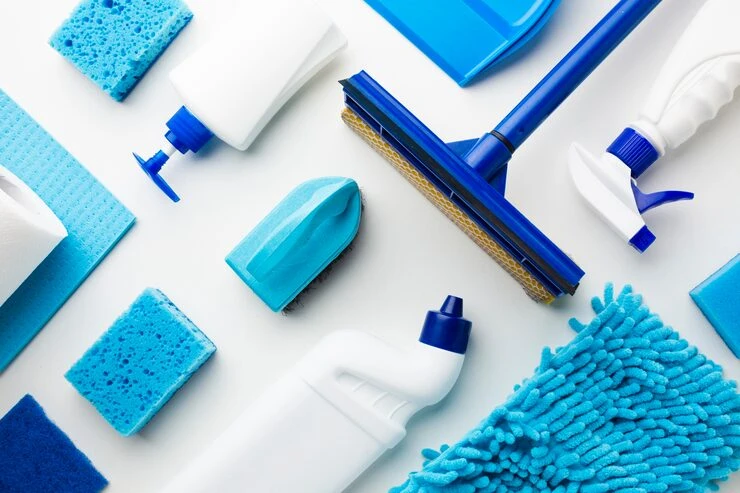

Clean environments are essential for health, safety, and productivity, whether in homes, offices, healthcare facilities, or industrial settings. As hygiene standards continue to rise, the role of modern tools and machines has become more important than ever. Investing in the right equipment not only improves cleaning outcomes but also saves time, reduces labour, and ensures consistent results across different spaces.
Today’s cleaning equipment is designed to handle everything from routine maintenance to deep sanitation. With advanced features, durable construction, and purpose-built designs, these tools help meet the demands of high-traffic and high-risk environments while supporting compliance with health and safety regulations.
Why Cleaning Equipment Matters
Manual cleaning alone is often insufficient for maintaining hygiene in modern environments. Dust, bacteria, allergens, and contaminants can accumulate quickly, especially in commercial or shared spaces. Proper equipment enhances cleaning efficiency by delivering stronger performance, deeper cleaning, and better coverage compared to basic tools.
Using professional-grade equipment also reduces physical strain on staff, minimises cleaning time, and improves overall workplace safety. From reducing slip hazards to controlling the spread of germs, effective tools play a direct role in protecting both people and property.
Types of Cleaning Equipment
Cleaning requirements vary depending on the environment, which is why a wide range of equipment is available to suit different needs.
Floor Cleaning Equipment
Floor scrubbers, polishers, and sweepers are essential for maintaining hard floors and large surface areas. These machines remove stubborn dirt, stains, and spills while restoring surface appearance. They are widely used in shopping centres, warehouses, schools, and hospitals.
Vacuum Cleaners
Modern vacuum cleaners are designed for both dry and wet applications. HEPA-filter vacuums are especially valuable in healthcare and allergy-sensitive environments, as they capture fine particles and improve indoor air quality.
Pressure Cleaning Equipment
High-pressure cleaners are ideal for outdoor areas, industrial sites, and heavy-duty cleaning tasks. They effectively remove grease, grime, and built-up dirt from hard surfaces such as concrete, walls, and equipment.
Disinfection and Sanitising Tools
Foggers, sprayers, and steam cleaners are increasingly used for infection control. These tools help sanitise surfaces quickly and evenly, making them essential in healthcare, aged care, and food preparation environments.
Manual Cleaning Tools
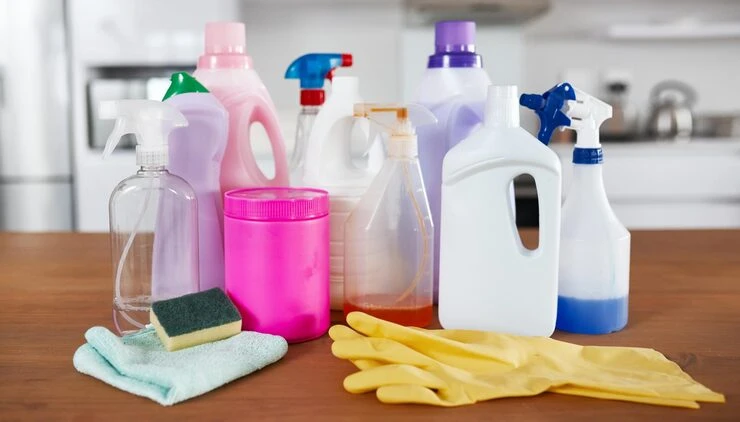
Mops, buckets, trolleys, and microfiber systems still play a vital role in daily cleaning routines. When combined with mechanised equipment, they help maintain detailed and spot cleaning tasks efficiently.
Benefits of Using Professional Cleaning Equipment
One of the biggest advantages of investing in quality cleaning tools is long-term cost efficiency. While the initial investment may be higher, durable equipment reduces replacement costs, minimises downtime, and improves productivity.
Professional equipment also delivers consistent results. Automated machines apply uniform pressure, cleaning solutions, and motion, ensuring surfaces are cleaned evenly every time. This consistency is especially important in regulated environments where hygiene standards must be met daily.
Additionally, advanced equipment often includes ergonomic designs and safety features. These reduce operator fatigue, lower the risk of workplace injuries, and create a safer working environment for cleaning staff.
Choosing the Right Cleaning Equipment
Selecting the right equipment depends on several key factors:
Environment and Surface Type
Different surfaces require different cleaning methods. Hard floors, carpets, outdoor areas, and sensitive surfaces all have specific equipment requirements.
Frequency of Use
High-traffic environments need robust, heavy-duty machines that can handle frequent use without compromising performance.
Compliance and Standards
Industries such as healthcare, food service, and laboratories must meet strict hygiene regulations. Equipment should support compliance with relevant Australian standards and guidelines.
Ease of Maintenance
Equipment that is easy to clean, service, and maintain helps extend lifespan and reduce operational costs.
Cleaning Equipment in Commercial and Industrial Settings
In commercial environments, cleanliness directly affects customer perception and employee wellbeing. Offices, retail spaces, and hospitality venues rely on efficient tools to maintain presentable and hygienic spaces throughout the day.
Industrial settings face even greater challenges, including heavy debris, grease, and hazardous materials. Industrial-grade equipment is designed to withstand tough conditions while delivering reliable performance. Using the right tools ensures safety, protects machinery, and supports operational efficiency.
Sustainability and Modern Cleaning Solutions
Sustainability has become a key consideration in cleaning practices. Many modern machines are designed to reduce water usage, minimise chemical consumption, and improve energy efficiency. Microfiber systems, for example, require less water and chemicals while delivering superior cleaning results.
Choosing environmentally conscious equipment not only supports sustainability goals but also reduces long-term operational costs and environmental impact.
Maintenance and Care for Cleaning Equipment
Proper maintenance is essential to ensure equipment performs at its best. Regular inspections, timely servicing, and correct storage help extend the lifespan of machines and tools. Staff training is equally important, as proper operation reduces wear and prevents misuse.
A well-maintained cleaning system ensures consistent hygiene standards and avoids unexpected breakdowns that can disrupt cleaning schedules.
Future Trends in Cleaning Equipment
Technology continues to shape the cleaning industry. Automated scrubbers, smart sensors, and data-driven maintenance systems are becoming more common. These innovations improve efficiency, reduce labour demands, and allow organisations to track cleaning performance more effectively.
As hygiene expectations continue to evolve, investing in advanced equipment helps organisations stay prepared for future challenges.
Final Thoughts
Cleanliness is no longer just about appearance—it is about health, safety, and trust. Choosing the right cleaning equipment is a strategic decision that impacts efficiency, compliance, and overall outcomes. By investing in reliable tools and machines, organisations can maintain high hygiene standards while optimising costs and productivity.
For businesses seeking dependable cleaning solutions backed by quality and experience, Livingstone International offers a comprehensive range of products designed to meet the needs of diverse industries. With the right equipment and trusted suppliers, maintaining clean, safe, and professional environments becomes a seamless part of everyday operations.
























Sign in to leave a comment.