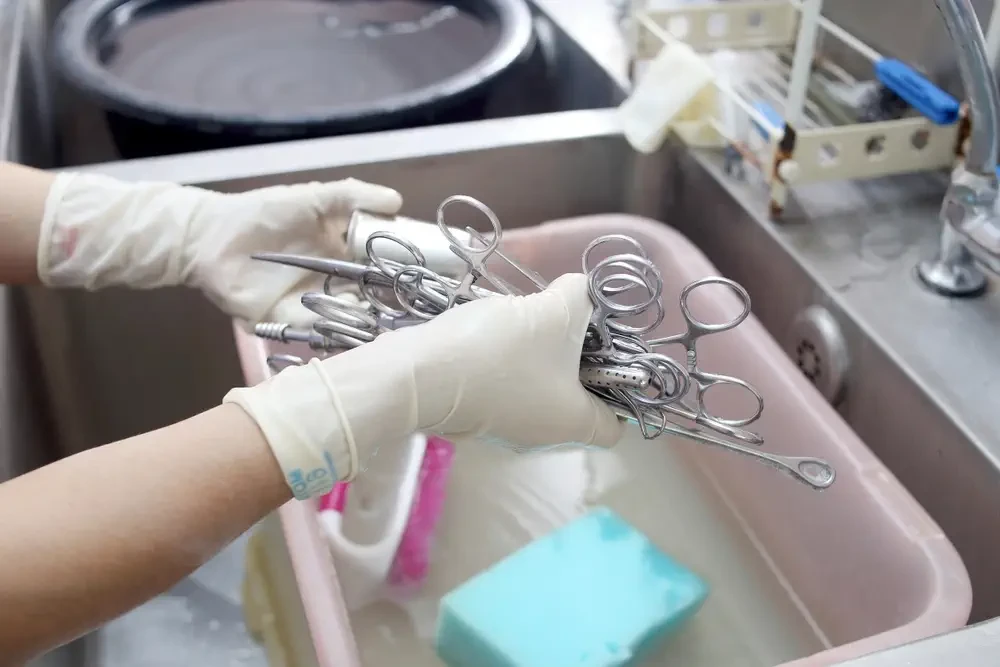

Numerous surgical tools are used during operations, resulting in close to your inner organs. Using contaminated surgical supplies can have a serious negative impact on the patient's health. That is why before beginning a surgical procedure, medical professionals need to be aware of the condition of the devices.
Cleaning surgical equipment is as important for treatment as having the right tools available. Additionally, cleaning and disinfecting medical equipment reduces the likelihood that a disease will be transmitted from patient to patient.
Surgical instrument processing technicians, as well as surgeons themselves, should be well aware of how to clean surgical instruments properly. Apart from that, they should be experts at identifying whether an instrument is disinfected.
This guide will go through the steps to properly clean surgical instruments using a cleanser.
Importance of Cleaning Surgical Instruments
Surgical instruments are the helping hands of medical professionals. The importance of medical equipment defines the significance of surgical instrument cleaning.
Proper medical instrument cleaning :
Minimizes the chance that diseases like hepatitis B and C and HIV may spread.Ensures the tools work without a hitch when the process is being performed.Reduces the possibility of hand infections among surgeons.Allows for a clear view of the instruments when using them at various angles.Extends the life of the medical equipment.Makes the instruments resistant to rust and corrosion.Prevents debris buildup on the tools, which can be hard to remove afterward. Preserves the correct operation of the medical instruments' hinges and lock boxes.Step 1: Disassemble the instruments
Before beginning the cleaning process, it is crucial to disassemble the equipment as much as possible. Using this method, the cleanser will be able to reach all crevices and provide thorough cleaning. Follow the manufacturer's instructions on how to disassemble the instruments properly.
Step 2: Pre-rinse the instruments
Rinse the tools in cool water to eliminate any extra dirt or blood. This step will stop the instruments from getting dirty or rusted while being cleaned. Wearing gloves while cleaning the instruments is a must.
Step 3: Apply the cleanser
The next step is choosing a surgical instrument cleaner product specifically designed for the cleansing. Before applying the solution, check the manufacturer's instructions and use it. Make sure to apply the cleanser to all surfaces of the instrument.
Step 4: Soak the instruments
After using the cleanser, put the instruments in a container with water and let them soak there for the recommended amount of time. Any dirt and stains on the instruments will help dissolve with this.
Step 5: Scrub the instruments
Scrubbing is also an important step that helps remove the remaining debris or stains. A soft-bristled brush is ideal for scrubbing the instruments and paying attention to the crevices and hard-to-reach areas.
Step 6: Rinse the instruments
Thoroughly rinse the instruments with cool water to remove all traces of the cleanser. Make sure to rinse all instrument surfaces to prevent any residue from remaining.
Step 7: Dry the instruments
After rinsing, dry the instruments with a clean towel or allow them to air dry. Avoid using a high-heat dryer, as this can damage the instruments.
Step 8: Inspect the instruments
Inspect the instruments to ensure they are clean and free from debris or stains. If any residue remains, repeat the cleaning process.
Step 9: Sterilize the instruments
Once the instruments are cleaned and inspected, they must be sterilized before they can be used again. Follow the manufacturer's instructions on how to sterilize the instruments properly.
Wrapped Up
Cleaning surgical instruments is an important part of maintaining a sterile healthcare environment. By following the steps outlined above and using a proper cleanser, you can ensure that your surgical instruments are properly cleaned and ready for use. Both the Sensitivity Test Solution and Surgical Instrument Cleaner are important tools in the medical field, as they help ensure patient safety and prevent potential health complications.
FAQs
Q1: What are the steps involved in cleaning surgical instruments?
The steps involved in cleaning surgical instruments typically include pre-cleaning, manual cleaning, machine cleaning, inspection, packaging, sterilization, and storage.
Q2: What type of cleaning solutions should be used for cleaning surgical instruments?
The cleaning solution used for surgical instruments should be pH-neutral, non-corrosive, and free from abrasive materials.
Q3: Can surgical instruments be cleaned in a dishwasher?
No, surgical instruments should not be cleaned in a dishwasher. Dishwashers are not designed to clean and sterilize surgical instruments properly and may not meet the required standards for disinfection.
Q4: What is the importance of proper inspection after cleaning surgical instruments?
Proper inspection after cleaning surgical instruments is important to ensure that all instruments are free from dirt, debris, and bacteria. This helps to prevent infection and ensure patient safety during surgery.




























Sign in to leave a comment.