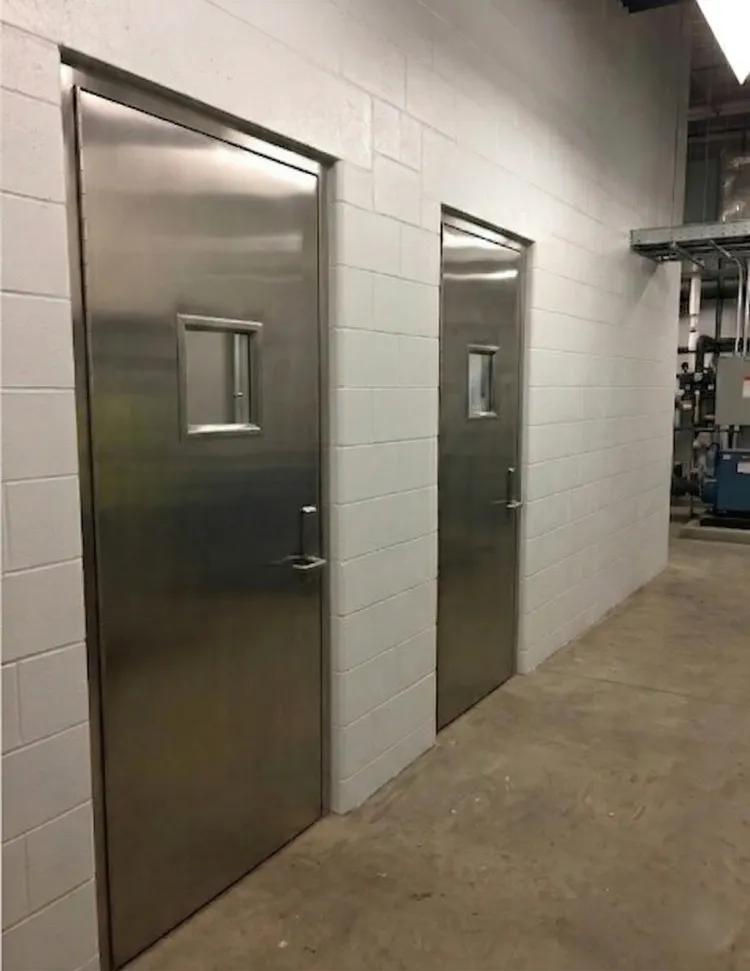

A controlled environment depends on many small details working together. Air filtration, temperature, humidity, clothing, cleaning routines, and employee behavior all contribute to keeping unwanted particles away from sensitive products and processes. One detail that can easily be overlooked is the doorway.
A door is more than an entrance. Every time someone walks into or out of a controlled area, the opening can affect the surrounding environment. The design, construction, operation, and maintenance of the door can therefore have an important role in maintaining cleanliness and protecting the work taking place inside.
For facilities that need dependable access between controlled areas, cleanroom personnel doors can provide a practical solution. These doors are designed with the needs of clean environments in mind, helping facilities manage movement while supporting their cleanliness requirements.
Why Doors Matter in Controlled Environments
Think about opening a window in a room where you are trying to keep dust away from freshly painted furniture. The longer the window remains open, the more opportunity there is for unwanted material to enter.
A similar principle applies to a cleanroom. People naturally carry particles on their clothing, shoes, skin, and hair. Opening a doorway also creates an opportunity for air to move between spaces. A properly selected door can help limit unnecessary exposure and make it easier to maintain the desired conditions.
The door itself cannot create a clean environment. Instead, it becomes one part of a larger system. When the door works properly and employees follow appropriate entry and exit procedures, the facility has a better chance of maintaining consistent conditions.
What Makes a Personnel Door Suitable?
A personnel door used in a controlled space should be selected according to the environment in which it will operate. Different facilities have different expectations, so there is no universal door that is perfect for every application.
One important consideration is the door surface. Smooth surfaces are generally easier to wipe and clean because they provide fewer places for dirt and particles to collect. Materials should also be appropriate for the cleaning products and routines used by the facility.
The construction should be sturdy enough for regular use. In a busy manufacturing environment, employees may pass through a doorway hundreds of times during a working day. A door that is difficult to operate or easily damaged can become a source of inconvenience and maintenance problems.
The way the door closes is also important. A door that remains open unnecessarily can affect the separation between rooms. Depending on the facility design, automatic closing features or other access controls may help employees maintain proper procedures.
Choosing the Right Material
Material selection deserves careful attention because cleanroom doors are exposed to frequent cleaning and daily handling.
Some facilities may require surfaces that can tolerate repeated exposure to cleaning solutions. Others may need additional resistance to moisture, impact, or corrosion. The best choice depends on the location and the activities performed inside the facility.
For example, a pharmaceutical production area may have different requirements from a laboratory, medical manufacturing space, or electronics facility. A door that performs well in one environment may not be the best choice somewhere else.
This is why facility managers should consider the complete operating environment before making a purchase. Looking only at the initial price can result in higher expenses later if the door requires frequent repairs or replacement.
Easy Cleaning Can Make a Big Difference
Cleaning a controlled environment is a continuous responsibility. Employees need to be able to wipe surfaces efficiently without spending unnecessary time working around complicated designs.
Doors with simple, accessible surfaces can make routine cleaning more straightforward. Hardware should also be considered because handles, hinges, frames, and other components receive regular contact.
Imagine cleaning a kitchen counter. A clear, smooth counter takes less effort to wipe than one covered with small objects and narrow gaps. The same basic idea applies to doors in controlled areas.
A well planned door design can reduce places where dirt might accumulate and make everyday housekeeping easier.
Supporting Employee Movement
Personnel need convenient access to do their jobs. If a door is awkward to use, workers may be tempted to prop it open, rush through it, or avoid following established procedures.
A practical door should allow employees to move efficiently while still supporting the facility's environmental controls. Door size, opening direction, hardware, access systems, and closing behavior should all be considered together.
Facilities should also think about traffic patterns. A doorway used occasionally by a small laboratory team may have very different demands from one located beside a busy production area.
Understanding how people actually use the space can help managers select a door that fits everyday operations instead of creating unnecessary obstacles.
Safety Should Remain a Priority
Cleanliness is important, but it should never come at the expense of employee safety.
Personnel doors should be suitable for the surrounding workspace and should not create unnecessary hazards. Employees need clear paths through entrances and exits. Door operation should also be intuitive enough that workers can use the entrance without confusion.
Where access control is required, facilities should carefully consider how authorized employees enter while ensuring that emergency procedures remain practical.
A good installation balances environmental control, convenience, durability, and safety rather than focusing on only one feature.
Maintenance Keeps the Door Performing
Even a high quality door needs attention over time. Frequent use naturally causes wear. Hinges, seals, closers, handles, and other components may eventually require inspection or adjustment.
A simple maintenance schedule can help identify problems before they become disruptive. Facility staff can look for unusual noises, loose hardware, damaged surfaces, closing problems, or visible gaps.
Keeping the surrounding area clean is also useful. Dust and debris around the frame or threshold can interfere with normal operation and make cleaning more difficult.
Prompt repairs are particularly valuable in controlled environments because a small door problem can eventually affect workflow or environmental management.
Working With an Experienced Supplier
Selecting a door is only part of the process. Facilities also need to think about measurements, installation conditions, operating requirements, maintenance expectations, and the environment where the door will be placed.
An experienced supplier can help customers compare suitable options rather than simply choosing a standard product. Newport Company is an example of a company associated with solutions for controlled industrial environments, where equipment selection needs to reflect practical operating conditions.
Before ordering, facility managers should provide as much information as possible about the opening, traffic level, cleaning practices, room conditions, and access requirements. Good information at the beginning can make the selection process much smoother.
Common Applications
Personnel doors can be useful in many environments where cleanliness and controlled access matter. These may include pharmaceutical facilities, medical manufacturing areas, laboratories, electronics production spaces, food processing environments, and other specialized workplaces.
The specific requirements can vary considerably. Some rooms may primarily need a door that is easy to clean. Others may require stronger environmental separation, specialized hardware, or controlled access.
Rather than assuming that every application needs the same solution, facility managers should evaluate the purpose of each doorway individually.
Final Thoughts
A doorway may seem like a simple part of a building, but in a controlled environment it can influence cleanliness, workflow, maintenance, and employee safety. The right design can make routine movement easier while supporting the broader systems used to protect sensitive processes.
When choosing a personnel door, consider more than appearance and purchase price. Think about cleaning, durability, frequency of use, materials, access, maintenance, and the conditions surrounding the installation.
With thoughtful planning and appropriate equipment, a facility can create entrances that work naturally with its cleanliness procedures instead of becoming another problem for employees to manage.



























Sign in to leave a comment.