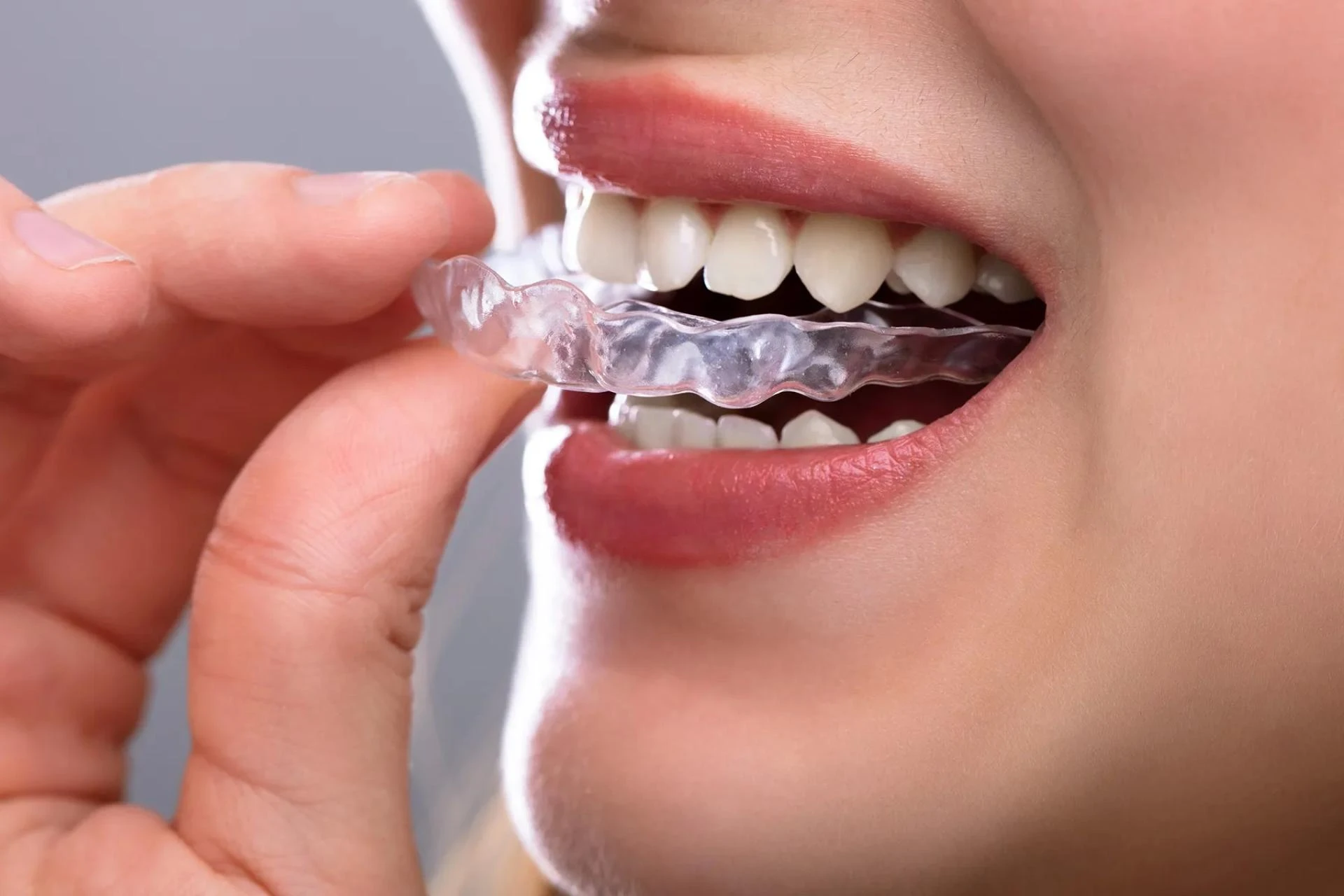

What Invisible Aligners Aim to Do
Invisible orthodontics uses clear, removable trays to correct crowding, spacing, rotations & some bite issues. Each set applies controlled forces to move teeth in planned increments. Digital scans and treatment simulations guide the sequence, helping clinicians map tooth movement while patients preview the expected path.
Everyday Comfort and Convenience
Removable aligners allow eating, brushing & flossing without hardware in the way. Smooth tray edges reduce cheek and lip irritation common with brackets and wires. Fewer in-office adjustments are typically required; visits focus on tracking progress & issuing the next sets. Speech adapts quickly for most patients after the initial days. Ready for straighter teeth? Explore teeth aligners in Mitcham – Book your consultation now!
Hygiene and Oral Health
Because trays come out for meals & cleaning, plaque control is simpler. Patients can keep using their usual toothbrush, floss and interdental tools. This reduces risk of decalcification spots & gingival inflammation seen around fixed brackets. Aligner hygiene is straightforward: rinse, brush gently and store dry when not in use.
Predictability and Flexibility
Digital planning supports staged refinements if a tooth lags behind the plan. Attachments, elastics and bite ramps expand the range of cases treatable with aligners. Clear trays can be combined with limited braces for specific tooth movements when needed, keeping the overall look discreet.
Who Benefits Most-and Limits
Mild to moderate crowding or spacing responds well. Severe skeletal discrepancies, impacted teeth & complex open bites may still require traditional appliances or surgery. Success depends on wearing trays the recommended number of hours each day. Lost or warped aligners delay progress and may require re-scanning.
Lifestyle, Cost and Compliance
Aligners fit work, school and travel routines. Patients must remove trays before eating or drinking anything except water to avoid staining & warping. Costs are comparable to comprehensive braces in many markets, with pricing tied to case complexity. Retainers are required after treatment to maintain alignment.
Treatment Monitoring
Remote check-ins through apps can support in-person visits. IPR and engagers are adjusted as needed to keep movement on schedule effectively.
Getting Started
A thorough evaluation includes caries & gum assessments, bite analysis and radiographs. Discuss goals, timeline & retainer plans up front. With the right case selection and consistent wear, invisible orthodontics delivers reliable results with fewer day-to-day hurdles than fixed braces.
About Bio.
Ansley has 12 years of experience in the dental world. You can find his thoughts at dental care blog.





























Sign in to leave a comment.