

Scope of Practice
These clinicians focus on prevention, early intervention and maintenance. They deliver assessments, non-surgical periodontal therapy, fluoride applications, sealants and minimally invasive restorative care within defined regulations. Their work reduces disease burden and lowers the need for complex procedures.
Preventive Focus
Their primary goal is stopping problems before they start. Regular cleanings, biofilm control and varnish or gel therapies strengthen enamel and limit bacterial activity. By addressing modifiable risks-diet, home care, tobacco exposure-they cut recurrence rates and extend the life of existing restorations. Looking for a trusted family dental in Campbelltown? Schedule your appointment today!
Assessment and Risk Profiling
Visits include histories, indicated radiographs and charting of caries, pockets, bleeding and erosion. Indices set risk categories. Plans align recall intervals, at-home products and chairside procedures with baseline status, readiness for change and relevant medical conditions.
Non-Surgical Periodontal Care
They provide scaling, root surface debridement and local delivery antimicrobials when prescribed. Instruction on interdental tools and irrigation helps maintain reductions in plaque and inflammation. Periodic re-evaluation tracks pocket depths and bleeding points to decide if referral for advanced periodontal therapy is warranted.
Caries Management and Remineralization
Fluoride, calcium-phosphate agents and high-fluoride pastes are used where suitable. Coaching covers sugar timing, saliva support and protective snacks. Early white-spot lesions are monitored; resin infiltration or sealants may halt progression without extensive drilling.
Minimally Invasive Procedures
Within scope, they place preventive resin restorations, fissure sealants and temporary fillings to stabilize disease. Atraumatic restorative approaches may be used in outreach or for anxious patients. Emphasis remains on conserving sound tissue and creating surfaces that are easy to clean.
Behavior Change and Education
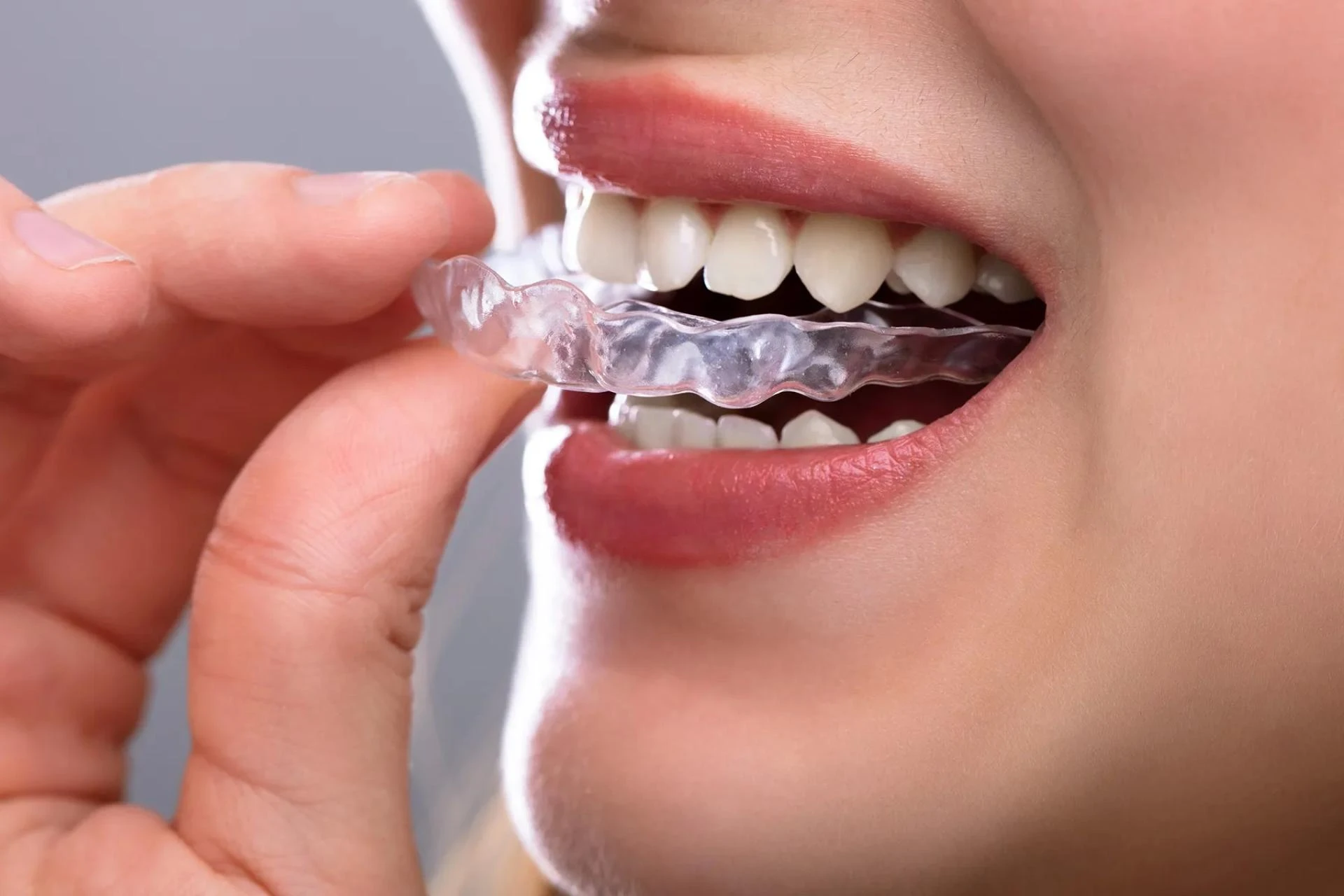
Brief demos, simple goals and reminders support adherence. Techniques like motivational interviewing reinforce two-minute brushing, daily interdental cleaning and neutralizing acids after meals. Guidance also covers hygiene for aligners, retainers and sports mouthguards.
Collaboration and Referral
They coordinate with dentists, hygienists and medical teams for systemic links such as diabetes, pregnancy or xerostomia. Defined referral pathways escalate care for endodontic symptoms, mobility or malocclusion. Shared records and recall calendars keep the plan coherent across providers.
Community and Special Populations
They support schools, aged care and rural clinics with screenings, fluoride programs, stabilization and caregiver training.
Outcomes and Quality Measures
Success is tracked through reduced bleeding on probing, fewer active lesions, improved plaque scores and stable attachment levels. Audit cycles, peer review and patient-reported outcomes guide service improvements. Consistent documentation supports continuity and demonstrates value to funders and health systems.
About Bio.
Ansley has 12 years of experience in the dental world. You can find his thoughts at cosmetic dental blog.




























Sign in to leave a comment.