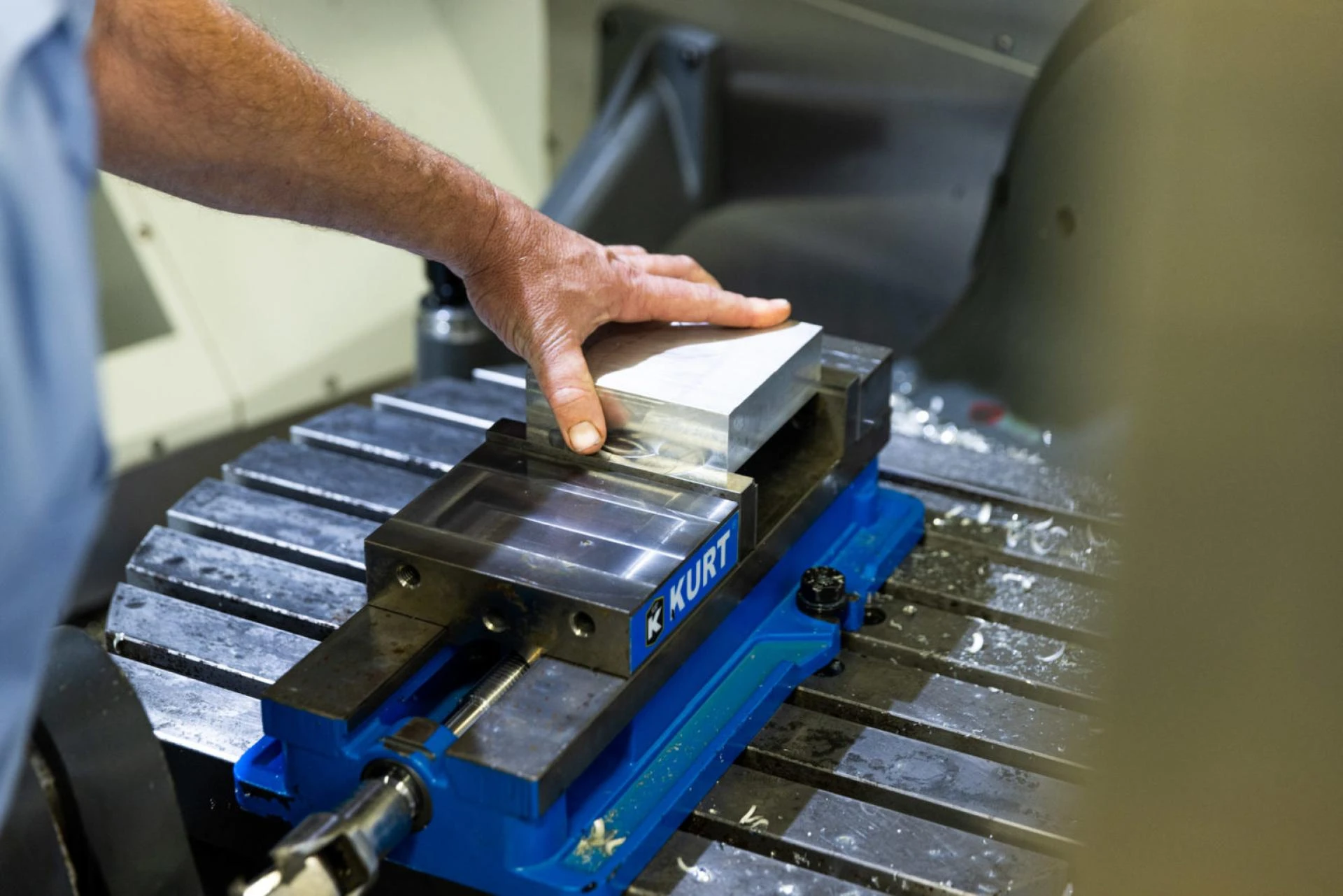

The manufacturing sector has witnessed incredible transformation over the past few decades, thanks to technological developments that have changed the way products are designed, produced, and assembled. CNC machining services are one of those innovations that stand apart in terms of offering conversion precision, speed, and flexibility in custom metal part production. That, though, raises the question of how CNC machining compares to traditional manufacturing methods, and why it is increasingly considered the future of metal fabrication.
Traditional Manufacturing Methods: An Overview
Traditional techniques like casting, forging, and manual machining have been used and trusted by manufacturers for many centuries. Usually, these methods involve producing parts either by pouring molten metal into a mold (casting), by pressing or beating the metal with very high pressure (forging), or by cutting and shaping the material manually using a tool.
They can be considered the methods for large scale production and simple designs, whereas the downside often comes with the time that they demand, inaccuracies, and their inflexibility to changes to quick small-batch productions. Another drawback is that the cost of setting up a mold or die can be very high and time-consuming, making these methods not preferable for prototyping or custom applications.
The Rise of CNC Machining Services
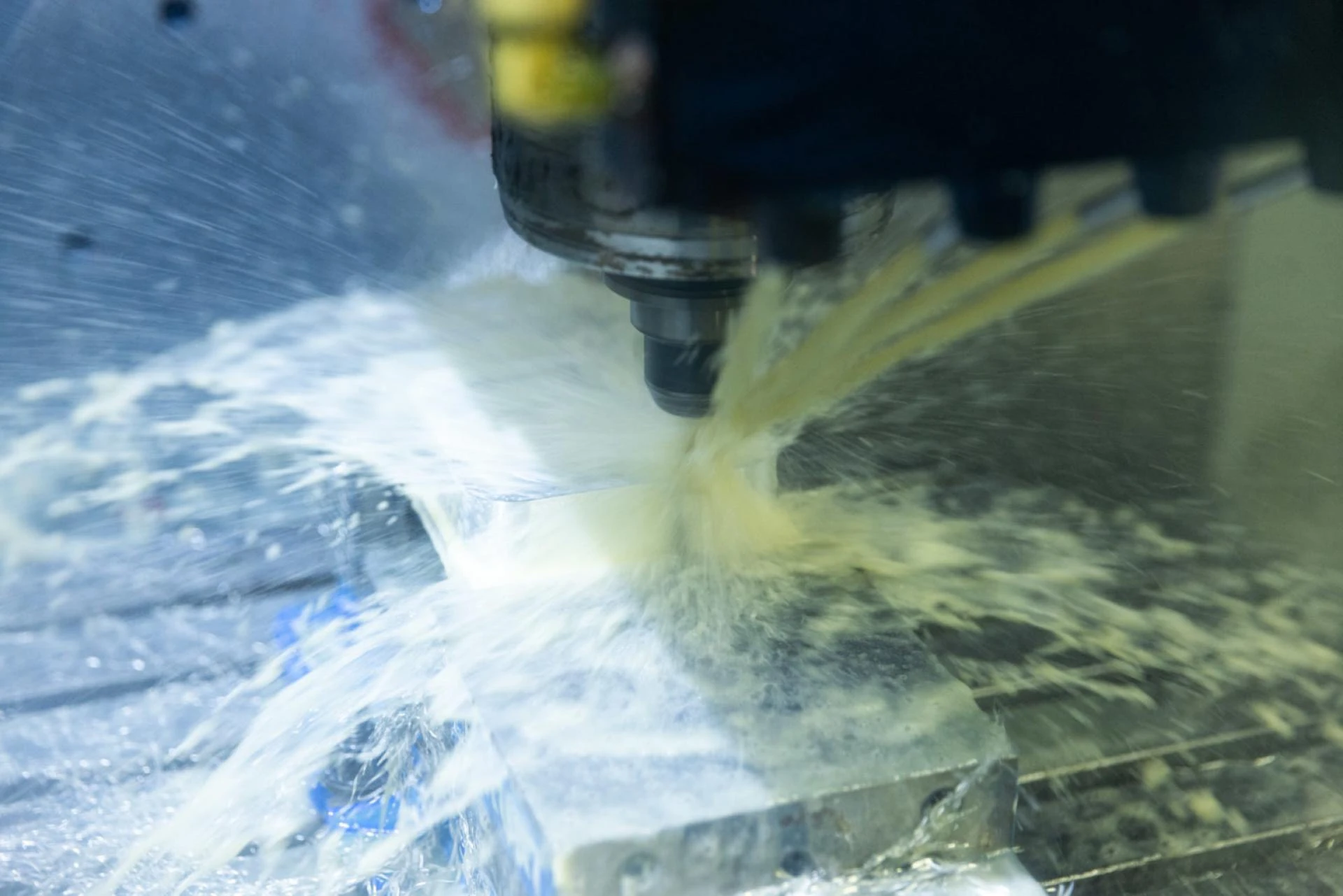
Computer Numerical Control (CNC) machining revolutionized manufacturing by automating and digitizing the production process. CNC manufacturing involves using computer-controlled machines to precisely cut, drill, and shape metal and other materials based on digital designs. This process offers a level of accuracy and repeatability that manual methods simply cannot match.
Comparing CNC Machining with Traditional Manufacturing
1. Speed and Efficiency
CNC machining significantly reduces production times. CNC machines can make complicated parts quickly, often in just a few hours after a computer design is finished. This quick turnaround is great for samples, small amounts, or custom parts that need to be made quickly.
Traditional ways, on the other hand, like casting or forging, need a lot of setup time, model making, and tooling, which could last days or even weeks. Because of this, CNC cutting is the best option for jobs that need to be finished quickly.
2. Precision and Accuracy
One of the distinctive features of CNC machining services is the ability to create highly precise work. CNC machines can manufacture parts to tolerances often in the micrometer range, hence granting perfect consistency through several pieces. The precision is crucial for industries that include aerospace, medical devices, and automotive, where exact measurements must be fulfilled.
Traditional methods, while capable of producing durable parts, may lack this level of tight tolerances and can require additional finishing processes to meet quality standards.
3. Flexibility and Customization
CNC manufacturing offers unmatched flexibility. Changes to a part's design can be implemented quickly by updating the digital file, allowing for rapid prototyping and customization. This adaptability makes CNC ideal for small batch production, one-off parts, or complex geometries that are difficult or impossible to produce with conventional methods.
Drug manufacturing, on the other hand, can sometimes allow relatively coarse tolerances, given the durability of the product, and may require secondary finishing in any case.
4. Cost-Effectiveness for Small Runs
Meanwhile, traditional manufacturing is largely cheaper with large quantities production due to economies of scale, while CNC machining shines in short runs and one-off parts. Setup times and tooling costs are reduced to a point where it competes excellently for customized or low-volume manufacturing; a worthwhile consideration for businesses looking to be more agile.
Why Custom CNC Metal Parts Are the Future
The greater the demand of industries to have faster, more precise, and highly customizable components, the more CNC manufacturing stands as the best choice. Being quick in delivering complex geometries with stringent tolerances, CNC manufacturing gives businesses a winning chance.
Moreover, advancements in CNC technology, such as multi-axis machining and automation, further enhance capabilities, enabling the production of highly intricate parts that are difficult to achieve with traditional methods.
For rapid prototypes, small batch runs, and complex custom parts, CNC machining is gradually becoming the metal fabrication of the future.
Investing in CNC manufacturing enhances production lines and allows innovative designs with a fast time to market. With technology advancing day by day, the CNC machining alternative for manufacturing quality custom metal parts will become more available, leading the manufacturing in the future.










Sign in to leave a comment.