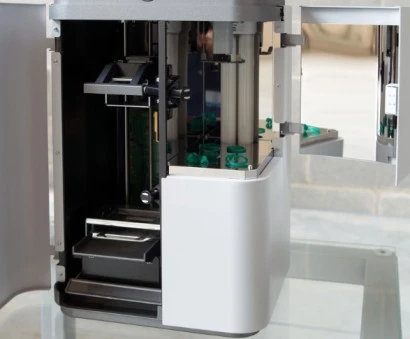

Rapid prototyping is a major player in the transformation of ideas into models that can be used within minutes in fast product development. In all the 3D-printing technologies, SLS printing has emerged as a game-changer, bringing major changes in how industries think about design, testing, and manufacturing. With the scope of technology in their hands, professionals use SLS printing as their preferred alternative to generate superior, functional prototypes.
What Makes SLS Printing Stand Out?
1. Superior Material Versatility and Strength
SLS printing uses a powerful laser to fuse powdered materials—often nylon, polymers, or even metals—layer by layer, creating robust and detailed prototypes. This process, therefore, produces parts with excellent mechanical qualities such as high strength, flexibility, and chemical resistance. SLS printing offers very high adaptability in terms of possible working materials; this versatility means that SLS can find application across industries ranging from aerospace to medical devices.
2. Complex Geometries and Design Freedom
In contrast to traditional manufacturing processes and production methods, SLS printing is supposed to manufacture very intricate and complex geometries without employing support structures. This capacity is changing rapid prototyping by allowing designers to produce parts with internal channels, lattice structures, and other features that could either never be manufactured or at a cost so great that doing so was impractical. The precision and design freedom of SLS-printing thus paint a development scene in which fast prototyping is given a new speed in cutting down the time-to-market.
The rise of the SLS metal printer technology
While traditional SLS mainly works with plastics, recent developments have put the spotlight on the sls metal printer. Thereby broadening the area of rapid prototyping. These graven machines use laser sintering techniques to weld metallic powders such as stainless steel, titanium, or aluminum, making functional metal prototypes and even end-use parts.
Advantages provided with a sls metal printer:
- Extremely high strength and temperature resistance to verify functional testing.
- Less wastage of material and the cost of materials in powder form.
- Being able to manufacture very intricate metal parts with little post-processing.
How SLS Printing Is Accelerating Innovation
1. Faster Iterations and Reduced Development Cycles
SLS printing dramatically shortens the prototyping timeline. Engineers and designers can produce multiple iterations rapidly, testing and refining designs without the need for costly molds or machining. This iterative process fosters innovation, allowing for quick problem-solving and optimization of product features.
2. Cost-Effective Production of Small Batches
For small production runs or customized items, SLS printing offers a cost-efficient alternative to traditional manufacturing. The ability to produce complex parts directly from digital files reduces tooling costs and lead times, making it ideal for startups and established companies looking to scale rapidly.
Why Invest in SLS Printing Technology?
Investing in SLS printing and exploring options like sls metal printers opens the door to new design possibilities and manufacturing efficiencies. The technology not only enhances prototyping capabilities but also paves the way for producing end-use components with high precision and performance. As the technology continues to evolve, its impact on rapid prototyping and production will only grow stronger.
SLS printing is revolutionizing the future of rapid prototyping by providing unmatched flexibility, precision, and efficiency. With innovations like the sls metal printer, industries are now capable of producing durable, complex, and functional prototypes—and even final parts—more quickly and cost-effectively than ever before. As this technology advances, its role in shaping innovative product development will continue to expand, making it a vital tool for modern manufacturers and designers.










Sign in to leave a comment.