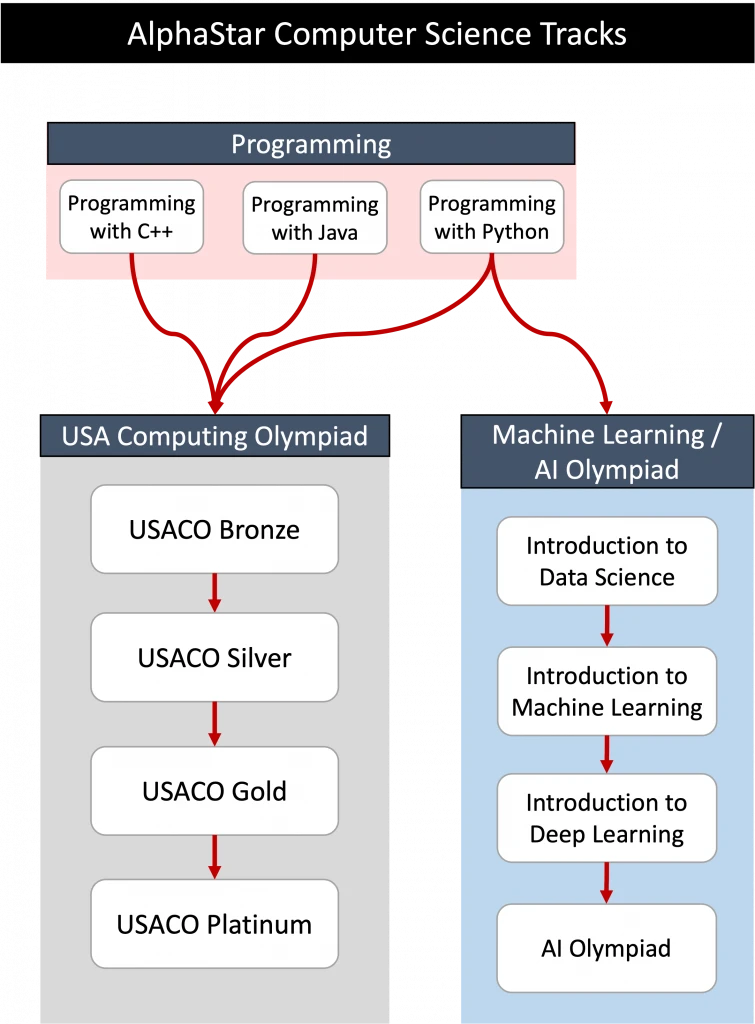

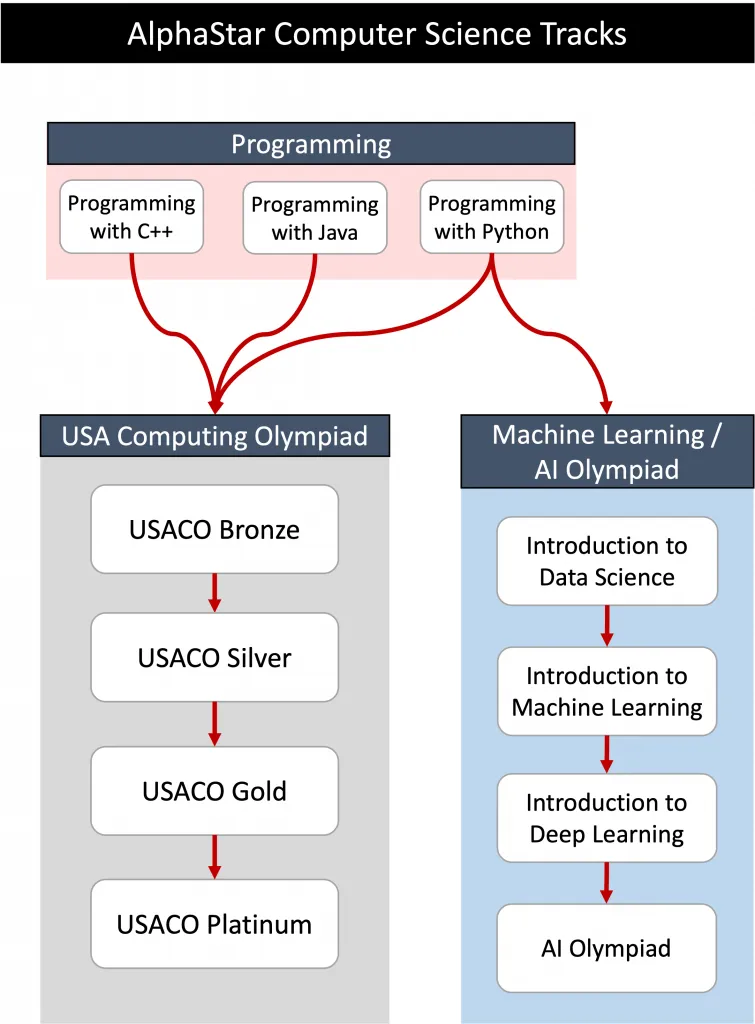
The USA Computing Olympiad (USACO) is one of the most prestigious platforms for aspiring programmers to showcase their algorithmic and problem-solving abilities. Competing in USACO requires more than basic coding knowledge - it demands strategic USACO training with a deep understanding of computational logic. Participants progress through multiple levels - Bronze, Silver, Gold, and Platinum - each presenting increasingly complex challenges. To succeed, students must develop structured preparation methods that balance theory, practice, and performance review.
Building a Strong Foundation in Programming
Every successful USACO participant begins with a solid understanding of programming fundamentals. Languages like C++, Python, and Java are commonly used in competitions. C++ is often the preferred choice due to its efficiency and STL (Standard Template Library) support. Before tackling advanced problems, competitors should ensure mastery of syntax, data types, and control structures. Understanding time and space complexity, recursion, and dynamic memory management sets a strong technical base. Beginners should practice simple algorithmic exercises, such as sorting, searching, and basic data manipulation, before advancing to more sophisticated problems.
Mastering Algorithms and Data Structures
A deep command of algorithms and data structures is the core of USACO success. Competitors must become fluent in arrays, linked lists, stacks, queues, trees, and graphs. Beyond memorization, they should understand how and when to apply each structure effectively. Key algorithmic areas include dynamic programming, greedy algorithms, divide-and-conquer, graph traversal (DFS, BFS), and shortest path techniques like Dijkstra’s or Floyd-Warshall. Practicing problems that integrate these concepts strengthens problem-solving speed and adaptability. Online platforms such as Code forces, LeetCode, and the USACO Guide provide categorized problem sets that mirror real competition patterns.
Structured Practice and Time Management
Consistent, structured practice is vital for progress. Many competitors make the mistake of solving random problems without following a plan. Instead, it’s better to focus on one topic at a time, mastering it before moving to the next. Setting a daily or weekly problem-solving schedule encourages discipline. Time management also plays a major role - USACO contests are timed, so practicing under time constraints helps simulate real-world pressure. Keeping a log of solved problems and reviewing incorrect submissions allows participants to learn from mistakes rather than repeat them.
Analyzing and Learning from Past Contests
One of the best ways to improve is to analyze previous USACO contests. Reviewing past problems reveals recurring patterns and common algorithms used. Reading official editorials and other competitors’ solutions exposes alternative problem-solving methods. This comparative study sharpens analytical thinking and helps identify personal weaknesses. By reconstructing solutions from memory, learners reinforce conceptual understanding and boost retention. Moreover, understanding how problem statements are structured builds confidence in interpreting future questions quickly.
The Role of Mentorship and Community
USACO training doesn’t have to be an isolated journey. Engaging with online communities or study groups can accelerate progress. Platforms like the USACO Forum, Discord groups, and competitive programming clubs connect learners worldwide. Peer discussions often lead to valuable insights and help maintain motivation during challenging phases. Having a mentor - whether a senior competitor, coach, or experienced teacher - can guide learners toward efficient study paths and provide feedback that sharpens problem-solving intuition.
Balancing Conceptual Learning and Practical Implementation
True mastery in competitive programming arises from balancing theory with practice. Understanding algorithmic logic without implementing it can limit growth. Similarly, coding without understanding underlying principles leads to inefficiency. Hence, participants should complement theoretical study with hands-on problem solving. Working on mini-projects, debugging sessions, and simulation exercises improves both accuracy and confidence. Using online compilers and testing environments also helps in replicating contest-like conditions for practice.
Final Thoughts
USACO training is more than just preparing for a competition - it’s an intellectual journey that nurtures logical reasoning, perseverance, and creativity. By mastering algorithms, embracing community learning, and maintaining a growth mindset, every coder can transform challenges into opportunities and truly code their way to success.





















Sign in to leave a comment.