Anxiety can make even everyday situations feel overwhelming. Persistent worry, racing thoughts, panic attacks, and physical symptoms like rapid heartbeat or muscle tension can interfere with work, relationships, and overall quality of life. Fortunately, cognitive behavioral therapy for anxiety has become one of the most effective, evidence-based treatments available.
At Wishope Recovery, we understand that anxiety often exists alongside trauma, depression, substance use disorders, and family challenges. Our comprehensive therapeutic approach combines Cognitive Behavioral Therapy (CBT) with individualized care plans designed to help individuals build healthier thought patterns, emotional resilience, and lasting recovery.
What Is Cognitive Behavioral Therapy (CBT)?
Cognitive Behavioral Therapy (CBT) is a structured, goal-oriented psychotherapy that helps people identify and change negative thought patterns that contribute to emotional distress and unhealthy behaviors. Rather than focusing solely on the past, CBT teaches practical strategies to manage current challenges and prevent future setbacks. It is considered a first-line psychotherapy for many anxiety disorders.
The foundation of CBT is simple:
- Thoughts influence emotions.
- Emotions influence behaviors.
- Changing unhelpful thinking can improve both emotional well-being and daily functioning.
How Anxiety Affects Daily Life
Anxiety disorders involve more than occasional nervousness. Without treatment, anxiety may affect:
- Sleep quality
- Work performance
- School success
- Personal relationships
- Physical health
- Decision-making
- Confidence and self-esteem
Common anxiety disorders include:
- Generalized Anxiety Disorder (GAD)
- Panic Disorder
- Social Anxiety Disorder
- Specific Phobias
- Health Anxiety
- Separation Anxiety
Many individuals also experience anxiety alongside depression, trauma, PTSD, or substance use disorders.
How Cognitive Behavioral Therapy for Anxiety Works
CBT teaches individuals to recognize automatic negative thoughts and replace them with more realistic, balanced thinking.
Typical CBT sessions include:
1. Identifying Negative Thought Patterns
People with anxiety often experience:
- Catastrophic thinking
- Overgeneralization
- Black-and-white thinking
- Mind reading
- Worst-case scenario assumptions
A therapist helps identify these cognitive distortions.
2. Challenging Unhelpful Beliefs
Instead of accepting anxious thoughts as facts, clients learn to ask:
- Is there evidence this thought is true?
- Am I assuming the worst?
- What would I tell a friend in this situation?
- Is there another explanation?
This process reduces emotional intensity.
3. Changing Behavioral Responses
Avoidance strengthens anxiety.
CBT encourages gradual exposure to feared situations while teaching healthy coping strategies.
Examples include:
- Speaking in meetings
- Driving again after panic attacks
- Attending social gatherings
- Returning to work
- Managing public speaking fears
Over time, confidence increases while anxiety decreases.
Common CBT Techniques Used for Anxiety
Cognitive Restructuring
Replacing irrational beliefs with balanced, evidence-based thinking.
Example:
Instead of:
"I'm definitely going to fail."
You learn to think:
"I've prepared well, and even if things aren't perfect, I can handle the situation."
Exposure Therapy
Gradual, safe exposure helps reduce fear responses by showing the brain that feared situations can be managed. Exposure is often incorporated into CBT for anxiety disorders.
Behavioral Experiments
Clients test anxious predictions in real-life situations.
Example:
If someone believes everyone will judge them during a presentation, they gather evidence after presenting to compare expectations with reality.
Relaxation Training
CBT often incorporates:
- Deep breathing
- Progressive muscle relaxation
- Grounding exercises
- Mindfulness
- Stress management
These techniques reduce physical symptoms of anxiety.
Journaling
Writing helps identify:
- Anxiety triggers
- Automatic thoughts
- Emotional responses
- Behavioral patterns
- Progress over time
Benefits of Cognitive Behavioral Therapy for Anxiety
Research consistently shows CBT can help individuals:
- Reduce excessive worrying
- Improve emotional regulation
- Increase self-confidence
- Improve relationships
- Strengthen coping skills
- Reduce panic attacks
- Improve sleep quality
- Lower relapse risk
Unlike temporary coping strategies, CBT provides practical skills that individuals can continue using long after therapy ends.
CBT and Trauma Recovery
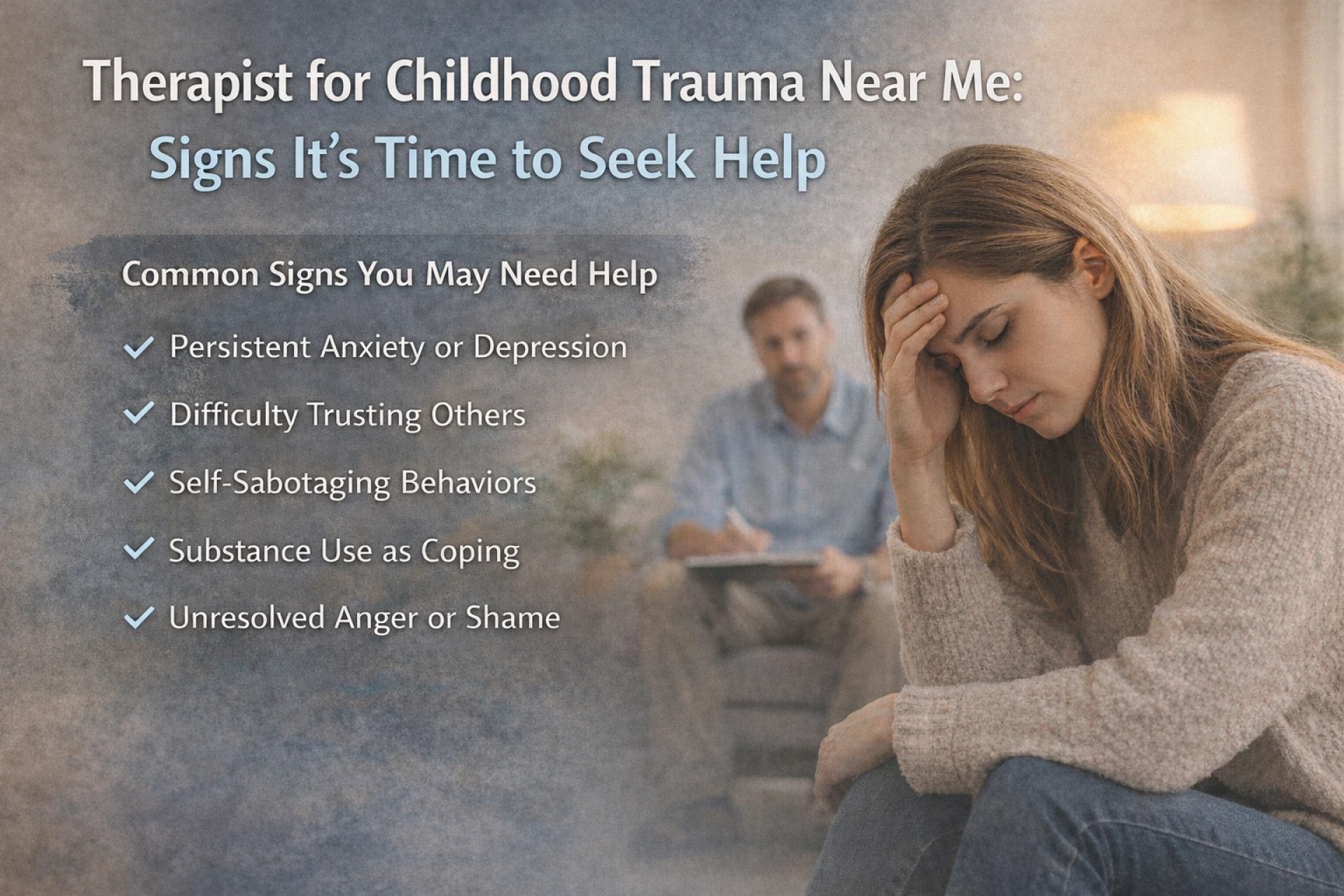
Many anxiety disorders develop after traumatic experiences.
Individuals with childhood trauma, abuse, neglect, accidents, or significant loss may benefit from combining CBT with trauma-focused therapies.
At Wishope Recovery, treatment may include:
- Trauma-informed CBT
- Family trauma counseling
- EMDR
- Individual therapy
- Group therapy
- Family counseling
Treating both trauma and anxiety often produces more sustainable healing.
Family Trauma Counseling Supports Anxiety Recovery
Healing rarely happens in isolation.
Family trauma counseling helps families understand:
- How trauma affects behavior
- Healthy communication skills
- Emotional regulation
- Conflict resolution
- Boundary setting
- Building trust
Family involvement often improves treatment outcomes and creates a stronger support system for long-term recovery.
Should You Find EMDR Therapist Services?
Many people struggling with anxiety also search online to find EMDR therapist options.
Eye Movement Desensitization and Reprocessing (EMDR) is especially beneficial for individuals whose anxiety stems from:
- PTSD
- Childhood trauma
- Abuse
- Medical trauma
- Car accidents
- Grief
While CBT focuses on changing present thinking patterns, EMDR helps process distressing memories that continue to trigger anxiety. In some cases, combining CBT with EMDR provides comprehensive care.
Family Counselling for Adults
Anxiety doesn't only affect the individual—it impacts partners, parents, siblings, and children.
Family counselling for adults focuses on:
- Improving communication
- Resolving conflicts
- Understanding anxiety symptoms
- Building emotional support
- Strengthening healthy relationships
When families participate in treatment, individuals often experience greater motivation and improved long-term outcomes.
Individual Counseling for Adults Near Me
Many people begin their search with the phrase individual counseling for adults near me because personalized therapy allows treatment to address each person's unique experiences.
Individual counseling may help with:
- Anxiety
- Depression
- Stress management
- Trauma
- Substance use recovery
- Relationship difficulties
- Self-esteem
- Life transitions
At Wishope Recovery, therapists create individualized treatment plans that address both mental health symptoms and the underlying causes contributing to emotional distress.
Who Can Benefit from CBT?
Cognitive Behavioral Therapy may benefit people experiencing:
- Chronic anxiety
- Panic attacks
- Social anxiety
- Health anxiety
- Generalized anxiety
- OCD symptoms
- PTSD
- Depression
- Addiction recovery
- Stress-related disorders
CBT can also be highly effective for individuals managing both anxiety and substance use disorders as part of an integrated recovery plan.
What to Expect During CBT Sessions
Treatment usually begins with an assessment.
Your therapist will help identify:
- Current symptoms
- Personal goals
- Anxiety triggers
- Behavioral patterns
- Family history
- Trauma history
Sessions typically involve:
- Reviewing progress
- Learning CBT skills
- Practicing coping techniques
- Homework assignments
- Planning for real-life application
CBT is collaborative, practical, and focused on measurable progress.
Why Choose Wishope Recovery?
At Wishope Recovery, we believe lasting recovery requires treating the whole person—not just the symptoms.
Our compassionate clinical team provides evidence-based care through:
- Cognitive Behavioral Therapy (CBT)
- Individual therapy
- Family trauma counseling
- Family counselling for adults
- EMDR therapy
- Dual diagnosis treatment
- Trauma-informed care
- Substance use treatment
- Relapse prevention planning
We create personalized treatment plans that empower individuals to overcome anxiety, strengthen resilience, and build healthier, more fulfilling lives.
Tips for Managing Anxiety Between Therapy Sessions
Alongside professional treatment, these daily habits can support recovery:
- Practice deep breathing exercises
- Maintain a consistent sleep schedule
- Exercise regularly
- Reduce caffeine intake if it worsens symptoms
- Journal anxious thoughts
- Practice mindfulness
- Stay connected with supportive people
- Follow your therapist's recommendations
- Celebrate small victories
Consistency is often more important than perfection.
Frequently Asked Questions
Is cognitive behavioral therapy effective for anxiety?
Yes. CBT is one of the most researched and effective psychotherapies for anxiety disorders. It helps individuals identify and change thought patterns that contribute to anxiety while developing healthier coping skills.
How long does CBT take?
Many treatment plans range from 8 to 20 sessions, depending on symptom severity, treatment goals, and individual progress.
Can CBT and EMDR be used together?
Yes. Individuals recovering from trauma-related anxiety often benefit from combining CBT with EMDR under the guidance of qualified mental health professionals.
Does family therapy help anxiety?
Absolutely. Family trauma counseling and family counselling for adults can improve communication, strengthen support systems, and enhance overall treatment outcomes.
When should I seek professional help?
If anxiety interferes with work, school, relationships, sleep, or daily functioning, seeking professional treatment is recommended.
Final Thoughts
Living with anxiety can feel exhausting, but effective treatment is available. Cognitive behavioral therapy for anxiety equips individuals with practical tools to recognize unhelpful thought patterns, develop healthier coping strategies, and regain confidence in daily life.
Whether you're exploring family trauma counseling, hoping to find EMDR therapist services, looking for family counselling for adults, or searching for individual counseling for adults near me, taking the first step toward treatment can make a meaningful difference.
At Wishope Recovery, our experienced clinicians are committed to providing compassionate, evidence-based care that supports lasting emotional wellness, recovery, and hope.




























Sign in to leave a comment.