Cold Cutting: A Precise and Efficient Method for Industrial Cutting

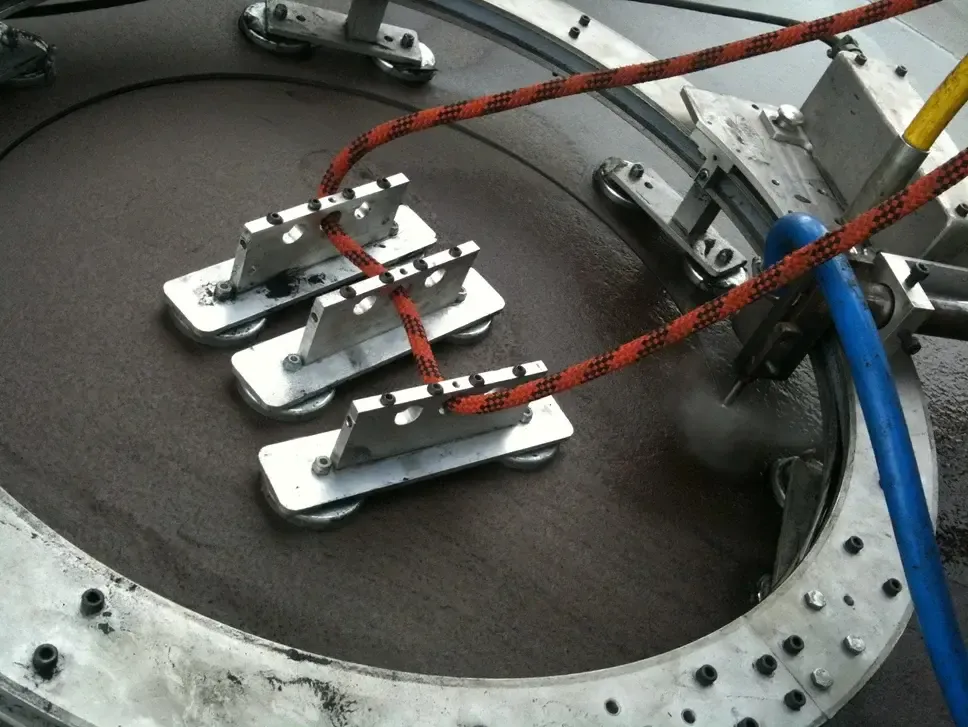
Cold cutting is a cutting process that separates materials without generating the high temperatures commonly associated with traditional thermal cutting methods. It is widely used in industrial environments where precision, material integrity, and workplace safety are important. This method can be suitable for cutting metals, pipes, and other materials while reducing heat-related effects.
What Is Cold Cutting?
Cold cutting refers to mechanical cutting techniques that do not rely on flames or high-temperature heat sources. Instead, specialised tools and equipment use mechanical force, blades, or abrasive methods to cut through materials.
Because the process limits heat generation, it helps reduce the risk of heat-affected zones, material distortion, and changes to the surrounding structure. This makes it useful for applications where maintaining the original properties of a material is essential.
Common Applications of Cold Cutting
Cold cutting is used across several industries, including construction, manufacturing, maintenance, and engineering. Some common applications include:
- Pipe cutting: Used to cut industrial pipes during installation, modification, and maintenance work.
- Metal fabrication: Helps produce accurate cuts in metal components for different manufacturing requirements.
- Industrial maintenance: Supports equipment modifications and repairs where controlled cutting is necessary.
- Construction projects: Can be used to cut structural materials in situations where heat-producing methods are unsuitable.
The appropriate technique depends on the material, its thickness, the required dimensions, and the working environment.
Key Benefits of Cold Cutting
One of the main advantages of cold cutting is reduced heat exposure during the cutting process. This can help minimise thermal distortion and preserve the material's properties near the cutting area.
Another benefit is precision. With suitable equipment and skilled operation, cold cutting can produce clean, controlled cuts that support accurate installation and fabrication work.
It can also be advantageous in environments where open flames or sparks need to be minimised. However, the specific safety requirements depend on the equipment, material, and site conditions.
Choosing the Right Cold Cutting Method
Selecting an appropriate cold cutting method requires an understanding of the project requirements. Factors such as material type, cutting depth, access, accuracy, and site conditions should be considered before work begins.
Professional operators can assess the application, select suitable equipment, and follow appropriate safety procedures. Regular equipment inspections and correct operating practices also help maintain consistent results.
Conclusion
Cold cutting provides a practical solution for industrial applications that require controlled and precise material separation without relying on high-temperature cutting. By choosing the right equipment and experienced professionals, businesses can achieve accurate results while reducing heat-related effects and supporting safer working practices.



Sign in to leave a comment.