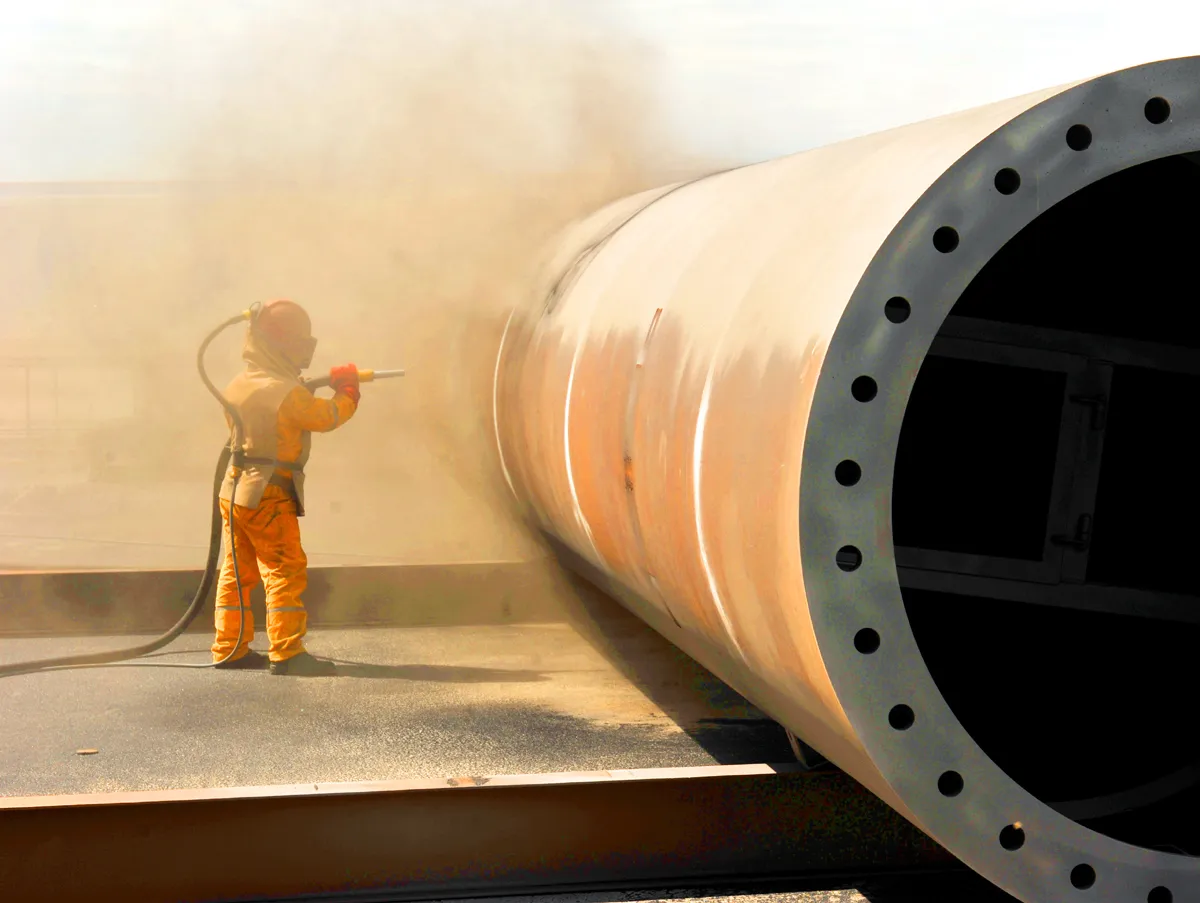

Abrasive blasting is a professional surface preparation process used to clean, smooth, and restore materials by directing abrasive media against a surface at controlled pressure. It is widely used in industrial, commercial, automotive, marine, and construction applications. The process can remove rust, paint, corrosion, scale, and other unwanted materials, creating a clean surface ready for painting, coating, or further treatment.
What Is Abrasive Blasting?
Abrasive blasting uses specialized equipment to propel abrasive materials toward a surface. Depending on the application, different media may be selected, including sand alternatives, glass beads, steel shot, aluminum oxide, and other specialized abrasives.
The type of abrasive, pressure, and equipment used depend on the material being treated and the desired finish. Proper selection helps achieve effective cleaning without unnecessarily damaging the underlying surface.
Benefits of Abrasive Blasting
One of the primary benefits of abrasive blasting is its ability to remove stubborn contaminants efficiently. Rust, old coatings, dirt, oxidation, and surface buildup can be difficult to remove using conventional cleaning methods. Abrasive blasting provides a thorough approach that prepares surfaces for the next stage of a project.
The process can also improve coating adhesion. Removing loose or deteriorated materials creates a cleaner and more uniform surface, allowing paints, protective coatings, and finishes to bond more effectively.
Abrasive blasting can also improve the appearance of metal and other durable surfaces by restoring a cleaner, more consistent finish.
Common Applications
Abrasive blasting is used across many industries. It is commonly applied to steel structures, machinery, vehicles, industrial equipment, pipelines, tanks, bridges, and construction components.
In manufacturing, blasting can prepare metal parts for painting or protective coatings. In restoration projects, it can help remove old finishes and corrosion from structural components. Marine applications may also use abrasive blasting to prepare metal surfaces for protective treatments.
Choosing the Right Abrasive Media
Selecting the correct abrasive media is essential for achieving the desired results. Softer materials may be appropriate for delicate surfaces, while stronger abrasives can be used for heavy corrosion and durable metal components.
Professionals consider the material, surface condition, coating type, and required finish before selecting the blasting method. Proper equipment settings also help maintain consistent results.
Conclusion
Abrasive blasting is an effective method for cleaning and preparing surfaces across numerous industrial and commercial applications. By removing corrosion, coatings, dirt, and other contaminants, it creates a suitable foundation for painting and protective treatments. With the right equipment, abrasive media, and professional techniques, abrasive blasting can deliver efficient, consistent, and high-quality surface preparation.





























Sign in to leave a comment.